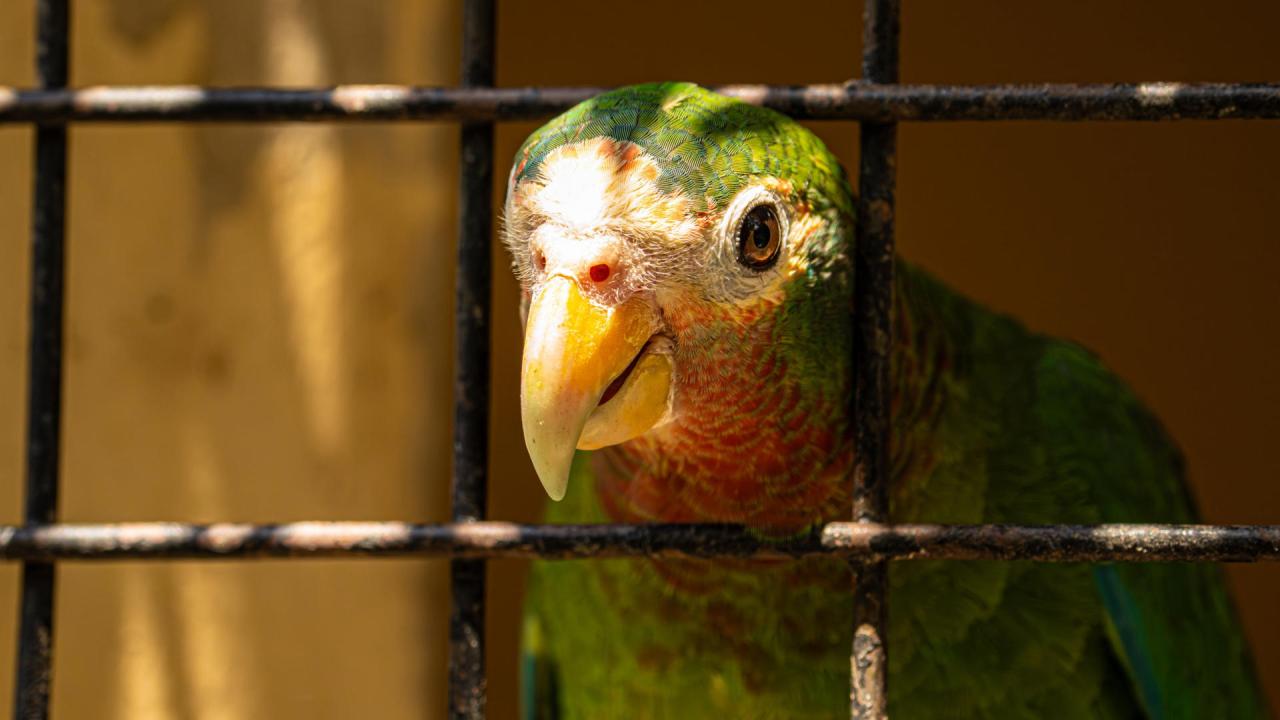
The underground world of wildlife trafficking is a dark, multi-billion-dollar industry that pushes thousands of species closer to the brink of extinction. While rhinos, elephants, and tigers often dominate the headlines, another equally devastating trade operates in the shadows: the illegal smuggling of rare and exotic birds. Recently, in a major breakthrough that has sent shockwaves through the conservation community, international authorities have successfully dismantled a sophisticated rare parrot smuggling ring. This operation, which spanned multiple continents, was responsible for the suffering and death of countless protected parrots. This article will explore the intricate details of the bust, the methods used by the traffickers, the impact on parrot populations, and what you can do to help stop this cruel trade.
The Shocking Discovery: How the Ring Was Uncovered
The investigation, code-named “Operation Free Wing,” began over eighteen months ago after a routine customs inspection at a major European airport uncovered a shipment of exotic plants laced with hidden compartments. Inside these hollowed-out containers, officials found ten severely distressed baby parrots, many suffering from dehydration, broken wings, and extreme psychological trauma. This discovery was not an isolated incident but rather the tip of a very large iceberg.
Authorities from five different countries collaborated, sharing intelligence and conducting undercover stings. They traced the shipment back to a notorious trafficking network operating out of South America, where poachers would raid natural nests, stealing chicks directly from their parents. The birds were then funneled through a series of中转站 (transshipment points) in the Middle East before reaching wealthy buyers in Europe, Asia, and North America. The masterminds behind the ring used coded language, encrypted messaging apps, and cryptocurrency payments to avoid detection.
The Arrests and Seizures
In a coordinated dawn raid across three continents, law enforcement officers arrested fifteen key individuals, including the alleged leader, a man previously convicted for smuggling reptiles. During the raids, authorities seized:
-
Over 200 live rare parrots, including Hyacinth Macaws, African Greys, and Yellow-crested Cockatoos.
-
50 deceased birds that had died due to suffocation, starvation, or stress during transit.
-
$2.5 million in cash, several luxury vehicles, and documentation detailing a global client list of private collectors and underground zoos.
This bust represents one of the largest parrot seizure events in the last decade. However, conservationists warn that for every bird rescued, dozens more likely perished before reaching their destination.
Understanding the Scale of Parrot Smuggling
To fully grasp the significance of this bust, one must understand the scale of the illegal parrot trade. According to the World Wildlife Fund (WWF) and TRAFFIC (the wildlife trade monitoring network), parrots are one of the most trafficked animals on the planet. Over 60% of all parrot species are experiencing population declines in the wild, and international trade is a primary driver.
Why Parrots Are Targeted
Several factors make parrots highly desirable targets for smugglers:
A. Intelligence and Beauty: Parrots are renowned for their cognitive abilities, vibrant plumage, and, in some species, the capacity to mimic human speech. These traits make them highly sought-after exotic pets.
B. High Market Value: A single rare parrot, such as a Hyacinth Macaw, can sell for up to 40,000ontheblackmarket.Lower−valuespeciesliketheAfricanGreystillcommandpricesbetween1,000 and $5,000.
C. Perceived Rarity: The rarer a species becomes, the higher the price a collector is willing to pay. This inverse relationship fuels further poaching, creating a vicious cycle of extinction.
D. Ease of Concealment: Unlike elephants or big cats, parrots are small enough to be hidden inside modified water bottles, PVC pipes, or even hair rollers. Smugglers frequently wrap them in stockings to prevent movement and muffle any sounds.
The Brutal Journey
The journey from the rainforest to a buyer’s living room is a nightmare of cruelty. Smugglers prioritize profit over animal welfare. The process typically follows a dreadful sequence:
-
Step 1: Nest Raiding. Poachers climb tall trees, often at night, to snatch chicks from their nests. Mother parrots are sometimes killed to prevent them from defending their young.
-
Step 2: Sedation and Binding. To keep the birds quiet during transit, smugglers often force-feed them alcohol, sleeping pills, or even sedatives meant for horses. Their wings and legs are tightly bound with rubber bands or tape.
-
Step 3: Concealment. The immobilized birds are stuffed into small containers, socks, or hollowed-out books. They are then placed in luggage or cargo holds with no food, water, or ventilation.
-
Step 4: Transit. During flights or long road trips, many birds die from heatstroke, hypothermia, or suffocation. Mortality rates for smuggled parrots range from 40% to 80% before reaching their final destination.
Given these horrific conditions, the 200 birds rescued in the recent bust are the “lucky” ones. Most of their flock-mates would have already perished.
The Devastating Impact on Parrot Populations
The removal of parrots from the wild is not simply a matter of “losing a few birds.” It has catastrophic effects on the entire ecosystem and the species’ long-term survival.
Disruption of Social Structures
Parrots are highly social, intelligent creatures that form strong pair bonds and complex family units. Many species mate for life, and both parents invest heavily in raising a small number of chicks per year (often only one to three). When poachers steal chicks from a nest, they are not just removing individuals; they are removing an entire reproductive year for that pair. The parents may not breed again that season, leading to a slow, silent population crash.
Ecosystem Consequences
Parrots play a crucial role as “seed dispersers” in tropical and subtropical forests. As they fly across vast territories eating fruits, they drop seeds in new locations, helping to regenerate forests. A decline in parrot populations leads to poorer forest health, reduced biodiversity, and diminished carbon sequestration. In essence, when you steal a parrot, you are also hurting the trees and the very air we breathe.
Species on the Edge
Several species targeted by this recently busted ring are already classified as endangered or critically endangered by the IUCN (International Union for Conservation of Nature). For example:
-
The Spix’s Macaw (Cyanopsitta spixii): Once declared extinct in the wild, a small number exist only in captivity thanks to intensive breeding programs. Traffickers have repeatedly attempted to steal from these programs.
-
The Blue-throated Macaw (Ara glaucogularis): With fewer than 500 individuals remaining in the wild in Bolivia, the loss of even a single breeding pair is a major setback.
-
The Philippine Cockatoo (Cacatua haematuropygia): Down to fewer than 1,000 mature individuals, every bird illegally removed pushes the species closer to total annihilation.
How Traffickers Evade Law Enforcement
The dismantled ring employed surprisingly sophisticated techniques to avoid detection. Understanding these methods helps authorities design better countermeasures.
A. Methodological Evasion Tactics
Traffickers in the recent bust used a variety of clever tactics, including:
-
False Documentation: They forged CITES (Convention on International Trade in Endangered Species) permits, claiming that captive-bred birds were being transported legally. In reality, the birds were wild-caught.
-
Route Shifting: They would frequently change transit routes. A bird caught in Brazil might travel to Suriname, then to Panama, then to Qatar, and finally to Europe, making it difficult for any single country’s customs agency to spot the pattern.
-
Corruption: The ring had established contacts within certain ports and airports, paying off baggage handlers and low-level customs officials to look the other way.
B. The Role of the Internet and Social Media
The digital age has ironically aided wildlife crime. The ring used closed social media groups and encrypted forums to advertise their “products.” They used code words like “feathered friends,” “live art,” or “exotic jewelry” to describe the birds. Payments were made using cryptocurrencies such as Bitcoin or Monero, which offer a degree of anonymity. Transactions were often completed without the buyer and seller ever meeting face-to-face, with birds shipped directly to a buyer’s doorstep via courier services.
The Legal Aftermath and Penalties
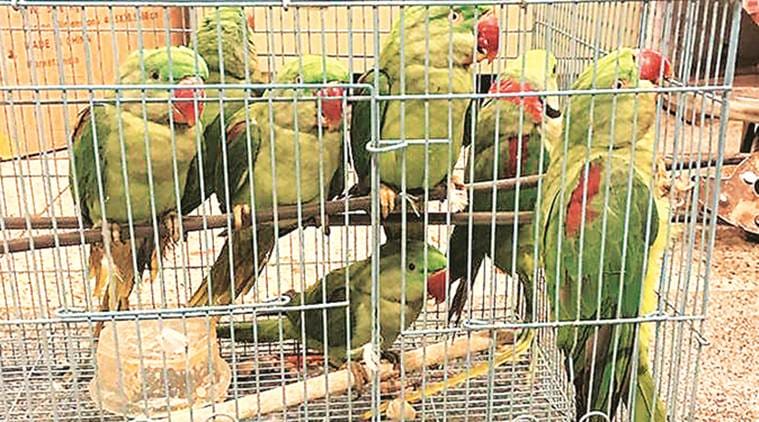
Following the bust, the fifteen arrested individuals now face a litany of charges. Depending on the country where they are prosecuted, penalties vary significantly, which is a major problem in the fight against wildlife crime.
Inconsistent Sentencing
In many nations, wildlife trafficking is treated as a minor misdemeanor rather than a serious organized crime. Poachers or smugglers might receive a small fine or a few months in jail, which is often less than the penalty for stealing a car. However, in this particular case, because the ring operated across multiple countries with strong environmental laws (including the United States under the Lacey Act and the EU under its Wildlife Trade Regulations), the suspects face severe consequences:
-
Hefty Fines: Up to $250,000 per individual per bird.
-
Lengthy Prison Sentences: Ranging from 5 to 20 years for conspiracy and wildlife trafficking.
-
Asset Forfeiture: The $2.5 million in cash, vehicles, and properties have already been seized and will be used to fund conservation efforts and anti-trafficking units.
The ringleader, known as “El Loro” (The Parrot), faces a potential life sentence due to the number of protected species involved and the deaths of 50 birds directly attributed to his methods.
What Happens to the Rescued Parrots?
One of the biggest challenges after a bust is rehabilitating the surviving birds. The 200 parrots saved in this operation were in pitiful condition. You cannot simply release them back into the wild immediately because:
A. Health and Quarantine: The birds must undergo a 30- to 90-day quarantine to ensure they are not carrying exotic diseases that could devastate wild populations.
B. Behavioral Rehabilitation: Many of the birds have been psychologically traumatized. They may pluck their own feathers out of stress, refuse to eat, or show signs of aggression. Specialized avian behaviorists work for months to help them recover.
C. Relearning Survival Skills: Wild parrots raised in captivity or traumatized by smuggling often forget how to find food, recognize predators, or interact with their own species. They must be placed in “soft release” aviaries large forested enclosures where they can re-learn these skills over a year or more.
D. Release or Sanctuary: If a parrot is deemed unreleasable (for example, if it has permanent wing damage), it will live out its life in an accredited sanctuary, serving as an ambassador for its species in educational programs. For the releasable birds, the goal is to return them to their native habitat, ideally in the same region where they were stolen.
How You Can Help Prevent Parrot Smuggling
As an individual, you might feel powerless against global crime rings, but you are not. Consumer demand is the engine that drives this trade. Reduce the demand, and you destroy the market. Here is a practical guide to making a difference:
A. Never Buy a “Wild-Caught” or Suspiciously Cheap Parrot
Always ask for documentation. A legal, captive-bred parrot will come with a CITES permit and detailed records. If a deal seems too good to be true, it almost certainly is. Remember: A healthy, legally bred parrot is expensive because of the cost of ethical care. A “bargain” bird is almost always a smuggled, traumatized wild animal.
B. Adopt, Don’t Shop
Thousands of unwanted parrots sit in rescues and sanctuaries across the world. People often buy parrots without understanding their 50- to 80-year lifespan, noisy nature, and complex emotional needs. Before buying from a breeder, visit a local parrot rescue and adopt a bird that needs a home.
C. Support Reputable Conservation Organizations
Financial support is critical for anti-poaching units. Consider donating to or volunteering with groups like:
-
The World Parrot Trust
-
The Loro Parque Fundación
-
TRAFFIC International
-
The Wildlife Conservation Society (WCS)
D. Be a Smart Traveler
If you travel internationally, never attempt to bring a bird back as a “souvenir.” Even if you think you are “rescuing” it from poor conditions, you are actually fueling the trade and committing a federal crime upon re-entry. Also, avoid buying any souvenir made from parrot feathers (such as headdresses or jewelry), as this also drives demand for wild killing.
E. Report Suspicious Activity
If you see someone offering a rare parrot for sale in a suspicious manner (online or at a flea market), report it to your local wildlife authority, the USFWS (in the US), or Interpol. You can also report anonymously through organizations like WildLeaks.
The Bigger Picture: A Victory, But Not the End
The dismantling of this rare parrot smuggling ring is a significant victory. It sends a clear message to traffickers that international cooperation is strengthening and that borders do not protect them from justice. However, it would be naive to think this is the end of parrot smuggling. For every ring busted, two more pop up. The profit margins are simply too high ($40,000 per bird) and the risks (compared to drug trafficking) still comparatively low.
What makes this particular bust special is the precedent it sets. The asset forfeiture and the potential for long prison sentences might serve as a deterrent. Furthermore, the global media coverage educates the public about a crime that has long remained in the shadows. When people realize that the cute talking parrot in a cage may have a mother who was killed and siblings who died in a suitcase, they are less likely to purchase one impulsively.
The Role of Technology in Future Prevention
Going forward, authorities plan to use more advanced technology to combat this trade. Some promising tools include:
-
DNA Barcoding: Custom officials now use portable DNA scanners that can identify a bird’s species and even its geographic origin within minutes. If a claimed “captive-bred” bird shows DNA from a specific wild nest in the Amazon, the lie is exposed.
-
Artificial Intelligence (AI) at Customs: AI-powered X-ray scanners can automatically detect the shape of a bird hidden inside a container, even if it is wrapped in foil or plastic.
-
Blockchain for Permits: Some conservationists propose using blockchain technology to create unforgeable digital CITES permits that cannot be altered or faked.
Conclusion: A Call for Collective Responsibility

The story of the rare parrot smuggling ring bust is a tale of two realities. On one hand, it is a story of greed, cruelty, and ecological vandalism. The methods used by traffickers are brutal, and the impact on bird populations is devastating. The world nearly lost several species entirely because of the demand for “exotic pets.”
On the other hand, it is a story of hope and dedication. It highlights the tireless work of customs officials, undercover investigators, and conservationists who risk their lives to protect creatures that cannot speak for themselves. The rescue of 200 parrots is not just a number; it is 200 individual lives saved, each with the potential to breed, spread seeds, and keep a forest alive.
However, law enforcement alone cannot solve this problem. The final weapon in this fight lies with you the consumer, the voter, the advocate. Every time you choose to admire a parrot in the wild through a documentary or a pair of binoculars rather than through the bars of a cage, you starve the smuggling ring of its fuel. Every time you report a suspicious ad online or donate to a sanctuary, you build a stronger wall against extinction.
Let the dismantling of this ring serve as a reminder: wildlife crime is not a victimless offense. It causes real suffering and real loss. But equally, public awareness and action can lead to real justice. By staying informed and making ethical choices, you ensure that the only place rare parrots belong is soaring freely under the canopy of a healthy rainforest, not trapped in a smuggler’s suitcase.
What you can do right now: Share this article with one friend. Start a conversation about the illegal pet trade. Awareness is the first step toward change. Together, we can ensure that future generations will hear the wild squawk of a parrot, not just read about extinct species in history books.