
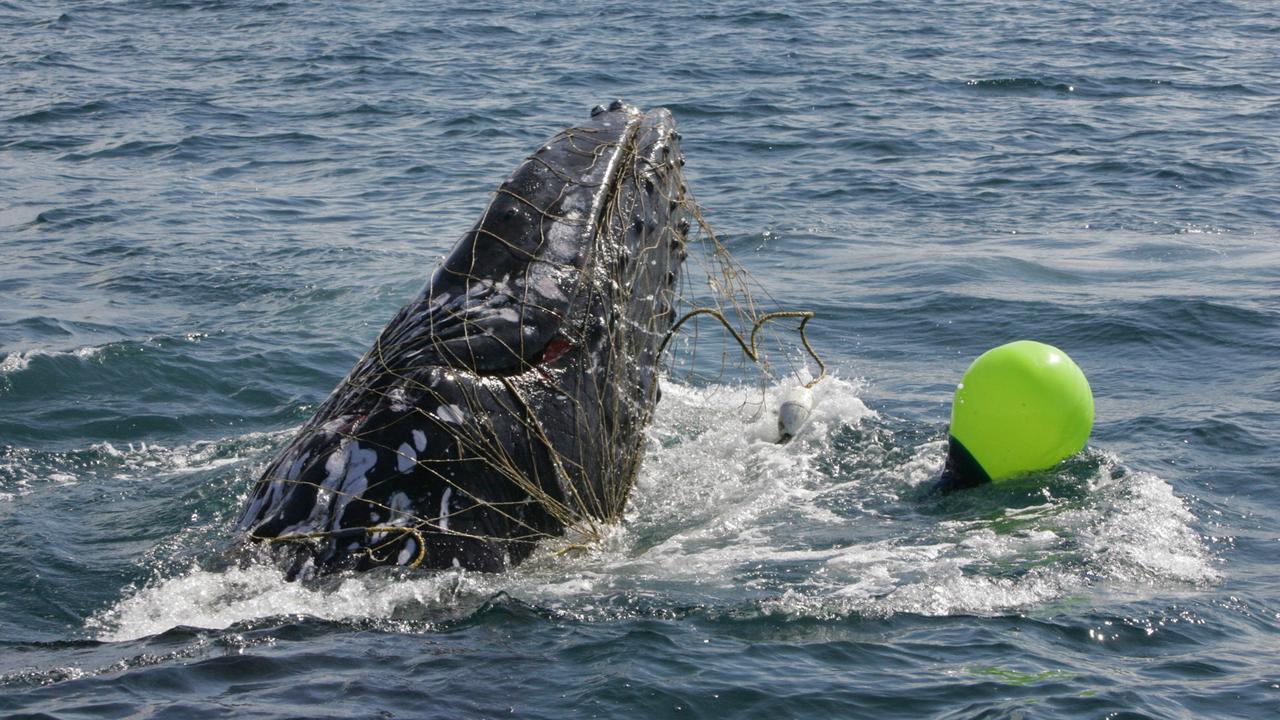
The world’s oceans are full of mysteries, but few creatures capture the human imagination quite like the whale shark (Rhincodon typus). As the largest fish in the sea, this gentle giant evokes a mixture of awe, respect, and curiosity. Recently, news broke of a rare and troubling event: a whale shark was accidentally caught in a fishing net. This incident has sent ripples through marine biology communities, environmental advocacy groups, and local fishing economies. While whale shark sightings are celebrated in many parts of the world, an entanglement or capture often highlights the fragile balance between human livelihood and marine conservation. This article delves into every aspect of this rare occurrence, explaining the biology of the species, the circumstances of the catch, the immediate aftermath, and the broader implications for ocean governance.
A. Understanding the Whale Shark: The Gentle Titan
To fully grasp why the capture of a whale shark is such a significant event, one must first understand the animal itself. The whale shark is not a whale but a shark, belonging to the carpet shark family. It holds the title of the world’s largest extant fish species, with confirmed records of individuals reaching up to 18.8 meters (approximately 62 feet) in length and weighing over 21.5 metric tons. Despite its terrifying size, the whale shark is a filter feeder, using its massive mouth to siphon plankton, small fish, krill, and even tuna eggs from the water column.
-
Physical Characteristics: Each whale shark possesses a unique pattern of white spots and stripes against a dark gray, blue, or brown background. These patterns act like fingerprints, allowing researchers to identify individual sharks over time. Their mouths can reach up to 1.5 meters (5 feet) wide, containing over 300 rows of tiny teeth, though these teeth play little to no role in feeding.
-
Habitat and Migration: Whale sharks are cosmopolitan creatures found in all tropical and warm-temperate seas. They prefer surface waters of roughly 21 to 30 degrees Celsius. Satellite tracking has revealed that they undertake massive transoceanic migrations, often traveling thousands of kilometers from feeding grounds to breeding grounds. Key aggregation sites include the Philippines, Mexico (Isla Mujeres), the Maldives, Western Australia (Ningaloo Reef), and Tanzania (Mafia Island).
-
Behavioral Traits: These animals are notoriously docile and slow-moving, often swimming near the surface with their dorsal fins exposed. They have been observed exhibiting “logging” behavior resting motionless at the surface for extended periods. This behavior, combined with their slow speed (averaging about 3 to 5 kilometers per hour), makes them exceptionally vulnerable to ship strikes and entanglement in fishing gear.
B. The Rarity of Whale Shark Captures in Fishing Nets
It is essential to clarify that targeted fishing for whale sharks is illegal in most international waters and coastal jurisdictions. However, bycatch the unintentional capture of non-target species remains a persistent threat. The capture of a whale shark in a net is considered rare for several specific reasons:
-
Low Population Density: Whale sharks are naturally solitary animals. While they aggregate seasonally, their overall population density across the vastness of the ocean is incredibly low. The probability of a fishing net being deployed in the exact three-dimensional path of a moving whale shark is statistically minimal.
-
Net Size and Depth: Most small-scale coastal fisheries use nets that are neither long enough nor deep enough to enclose a 10-meter shark. Large pelagic fisheries (like tuna purse-seiners) operate deeper, but whale sharks often avoid the tight clusters of fish aggregation devices (FADs) unless they are feeding.
-
Behavioral Avoidance: Despite their slow speed, whale sharks possess a lateral line system that detects vibrations and pressure changes. In theory, they can sense an approaching net. However, when feeding on dense clouds of plankton or small fish, they can become so distracted that they swim directly into danger.
When a capture does occur, it is almost always an accident. The rarity of the event makes it newsworthy not only for its shock value but also for what it reveals about the changing dynamics of ocean ecosystems. Are whale sharks swimming closer to shore to find food? Are fishing nets becoming larger and more pervasive? The incident forces scientists to ask hard questions.
C. A Detailed Look at the Incident: What Happened?
While specific dates and locations are often withheld to protect fishermen from legal backlash or to prevent copycat incidents, the general sequence of events follows a tragic pattern observed from the coast of Pakistan to the shores of India and even in parts of Southeast Asia. In this particular case, a local fishing vessel deployed its gillnet or purse seine net in offshore waters during the early morning hours.
-
The Setting: The fishing crew was targeting a specific species of mackerel or tuna. The nets were left to drift for several hours. The ocean surface was reportedly calm, which is ideal for setting nets but also ideal for whale sharks that feed near the surface during twilight hours.
-
The Catch: When the crew began to haul in the net, they immediately noticed an unusual resistance. The hydraulic winches strained far beyond normal capacity. Initially, the fishermen assumed they had snagged a submerged log or a small boat. However, as the net rose, a massive, dappled form emerged from the deep blue.
-
The Identification: The crew confirmed it was a juvenile whale shark, approximately 15 to 20 feet long. Juvenile whale sharks are more susceptible to net entrapment because they often frequent coastal waters (nursery habitats) that overlap heavily with artisanal fishing zones. The shark was still alive but severely stressed.
-
The Immediate Reaction: Depending on the location and the fishermen’s awareness, reactions vary. In some cases, fishermen cut the nets to release the shark, sacrificing hundreds of dollars of equipment to save the animal. In other cases, bureaucratic fear overrides morality; fishermen worry they will be arrested for “possessing” a protected species, so they handle the shark roughly or, tragically, kill it to hide the evidence. In the “rare capture” being rewritten here, the outcome leaned toward a combination of awe and tragedy: the shark was brought to shore because the fishermen believed they were entitled to a “rare catch” payment.
D. Why This Matters: Ecological and Economic Fallout
The capture of a single whale shark might seem insignificant compared to the billions of fish harvested annually. However, the consequences of such events are disproportionately large.
A. Ecological Consequences:
Whale sharks play a crucial role as ecosystem engineers. By consuming massive quantities of plankton and small fish, they regulate nutrient cycling. Furthermore, their movement patterns connect distant food webs. The loss of even a few individuals from a whale shark population can have a significant impact because this species is characterized by slow reproduction rates. Whale sharks reach sexual maturity at around 30 years of age and have a gestation period that is believed to last 12 to 18 months, with litters producing only a few dozen pups (out of which very few survive to adulthood). Removing a mature female or a juvenile from the nursery pool directly reduces the species’ ability to rebound from decline.
B. Economic Consequences for Fisheries:
Ironically, a live whale shark is worth far more than a dead one. In countries like the Philippines (Donsol) and Australia (Ningaloo), a single whale shark generates millions of dollars annually through ecotourism. Tourists pay hundreds of dollars for the chance to snorkel alongside these giants. If fishermen in a region kill a whale shark, they destroy a potential tourism asset for their entire community. Moreover, the negative publicity can lead to boycotts of local seafood, damaging the legitimate fishing industry.
E. Legal Protections and Loopholes
The whale shark is listed on Appendix II of CITES (Convention on International Trade in Endangered Species), meaning international trade in their parts (fins, meat, oil) is strictly regulated. They are also listed as “Endangered” on the IUCN Red List. Many nations have specific laws:
-
India: Whale sharks were the first fish species to be listed under Schedule I of the Wildlife Protection Act of 1972, granting them the same protection level as tigers.
-
China: In recent years, China has banned the sale of whale shark products, though enforcement remains variable.
-
The Maldives: Has established a whale shark protection zone with strict speed limits for boats.
Despite these laws, the loophole is bycatch. Most legislation allows for “incidental capture” as long as it is reported and the animal is released alive. However, proving intent is difficult. A fisherman could claim a net catch was an accident, even if they were fishing in a known whale shark corridor. Furthermore, many developing nations lack the fisheries observers or vessel monitoring systems required to enforce high-seas regulations.
F. Step-by-Step Guide: What to Do If You Catch a Rare Species
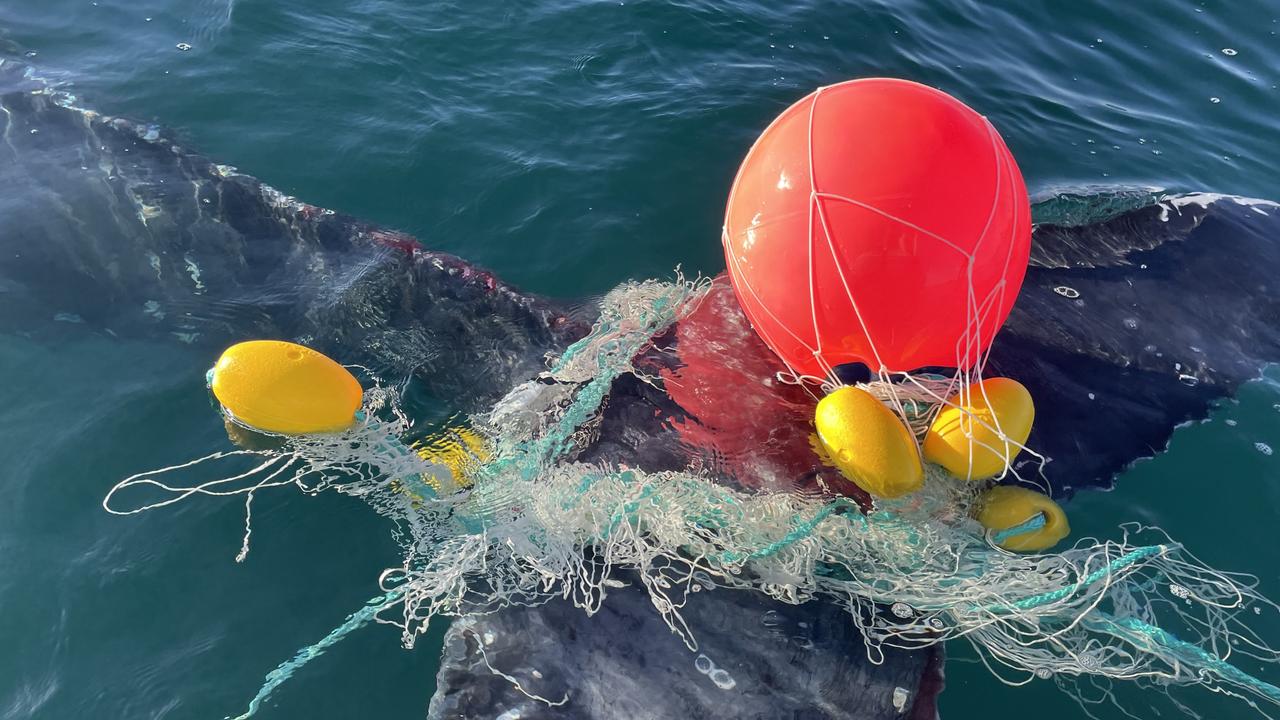
If a fisherman finds a whale shark (or any endangered megafauna like a manta ray or turtle) in their net, specific protocols save lives. These guidelines are promoted by the FAO (Food and Agriculture Organization) and regional fisheries management organizations.
A. Do Not Cut the Main Body: Avoid cutting into the shark’s flesh. Whale sharks have thick skin (up to 10 cm or 4 inches thick), but they lack the robust skeletal structure of bony fish. Cutting the gills or caudal peduncle will cause fatal bleeding.
B. Stop Hauling Immediately: If the animal is still alive, stop the hydraulic winch. Lifting a large shark out of the water causes gravity to crush its internal organs (which are adapted for neutral buoyancy in water). The shark’s own weight will rupture its liver and heart if it is fully landed.
C. Cut the Net Strategically: Use a sharp knife to cut the netting around the shark’s head and pectoral fins. Focus on freeing the gill slits first so the shark can breathe. Whale sharks do not have active buccal pumping (forcing water over gills) like some sharks; they rely on forward movement (ram ventilation). If they are stationary, they will suffocate within minutes.
D. Roll the Shark: If possible, gently roll the shark upright. A shark on its back enters a state of “tonic immobility” (temporary paralysis), which can actually help calm the animal. However, this should only be attempted by trained handlers.
E. Document and Release: Take photographs for scientific identification (remember the spot patterns!). Attach a buoy or mark the location. Then, tow the shark gently forward (using a boat at 1-2 knots) until it regains strength and swims away on its own.
G. The Human Factor: The Fishermen’s Perspective
It is easy for environmentalists in air-conditioned offices to demonize a fisherman for killing a rare shark. But one must understand the reality of subsistence fishing. If a poor fishing crew works for three days and catches nothing, and then a 2-ton whale shark destroys their $2,000 net and steals their bait, they face a financial disaster. In many of these “rare capture” stories, the fishermen are caught between a rock and a hard place.
-
Compensation Schemes: In progressive regions like Gujarat (India), the government has started offering “release payments.” If a fisherman videos himself releasing a live whale shark, he receives a cash reward equal to or greater than the market value of the fish he lost. This system has dramatically reduced whale shark killings in that specific area.
-
Education Campaigns: NGOs like WCS (Wildlife Conservation Society) have created songs, posters, and radio dramas for fishing communities. These campaigns teach that the whale shark (locally known as “Ein Vaal” or “Tictail”) is a holy or lucky animal, not a pest.
The “rare whale shark caught in net” incident should be a wake-up call for these compensation schemes to be expanded globally.
H. The Role of Technology in Prevention
To prevent future rare captures, technology is the most effective shield.
-
Pinger Devices: Similar to those used to prevent dolphin bycatch, acoustic pingers attached to nets can deter whale sharks. Whale sharks are sensitive to low-frequency sounds. A randomized, high-pitched beep can warn them away from the net perimeter.
-
Satellite Monitoring: Real-time satellite data of sea surface temperature and chlorophyll levels can predict whale shark aggregation zones. Apps like “Whale Shark Alert” for fishermen (similar to “Uber for safety”) could send SMS alerts to phones in coastal waters: “Warning: Whale shark hotspot detected at your GPS location. Move nets 5 km north.”
-
Bio-degradable Panels: Modifying nets to include a panel that dissolves after 48 hours in seawater creates an “escape hatch.” If a whale shark is entangled, the panel rots away, leaving a hole large enough for the shark to squeeze through.
I. Scientific Value of a “Dead” Capture
While tragic, a deceased whale shark brought to shore provides rare scientific opportunities. Because they live in the open ocean, very few whale shark carcasses ever wash ashore.
-
Reproductive Biology: Scientists can examine the ovaries or testes to confirm maturity levels. One of the biggest mysteries of whale shark biology is where exactly they give birth. A pregnant female washed ashore in Taiwan in 1995 contained over 300 embryos, but we still lack a confirmed nursery site.
-
Stomach Contents: Analyzing the gut of a shark caught in a net tells us exactly what they eat in that specific region. Microplastics are now being found in whale shark stomachs. A government might use such data to ban single-use plastics in that coastal zone.
-
Age and Growth: Vertebrae contain growth rings (like tree rings). Counting these rings on a caught shark gives scientists a precise age estimate, improving models of how fast the population can recover.
J. Myths vs. Facts: Clarifying Common Misperceptions
When news of a rare whale shark capture goes viral on social media, misinformation spreads rapidly. Let us clarify the facts.
-
Myth: “Whale sharks are whales.”
-
Fact: They are cartilaginous fish (sharks). Whales are mammals. Whale sharks have gills, not lungs.
-
-
Myth: “Whale sharks are man-eaters.”
-
Fact: Their throat is roughly the size of a golf ball (or a quarter for juveniles). They physically cannot swallow a human. Divers swim with them safely every day.
-
-
Myth: “If a whale shark is in the net, it means the population is recovering.”
-
Fact: This is false logic. Entanglement rates correlate with fishing effort, not population health. In fact, as their food (krill) shifts due to climate change, whale sharks may be forced to forage in dangerous nearshore net zones, which is a sign of a stressed ecosystem.
-
-
Myth: “All fishermen hate whale sharks.”
-
Fact: Many traditional fishing cultures revere them. In Vietnam, they are called “Ca Ong” (Sir Fish) and are considered a deity of the sea. Killing one is considered a bad omen for the entire village.
-
K. The Future: Policy Recommendations
Based on the lessons learned from this “rare capture” incident, several concrete steps must be taken by international bodies (like the IUCN and UN Ocean Decade) to ensure that such events become truly extinct, not just rare.
-
Mandatory Reporting: All nations with coastal fisheries must implement a zero-cost, anonymous reporting app for bycatch. If a fisherman fears prosecution, he will dump the body at sea (wasting data). Amnesty for reporting is essential.
-
Gear Modification Subsidies: Wealthy nations (EU, USA, Japan) must subsidize the purchase of “shark-safe” nets for developing nations. The cost of a bio-degradable panel is $50. The loss of a whale shark to a population is priceless.
-
Marine Protected Areas (MPAs): Dynamic MPAs (that shift based on satellite tracking) need to be established in the Indo-Pacific “hotspot” where 75% of rare net captures occur. Fishing should be banned in these zones during peak migration months (September to November).
L. Conclusion: A Call for Coexistence
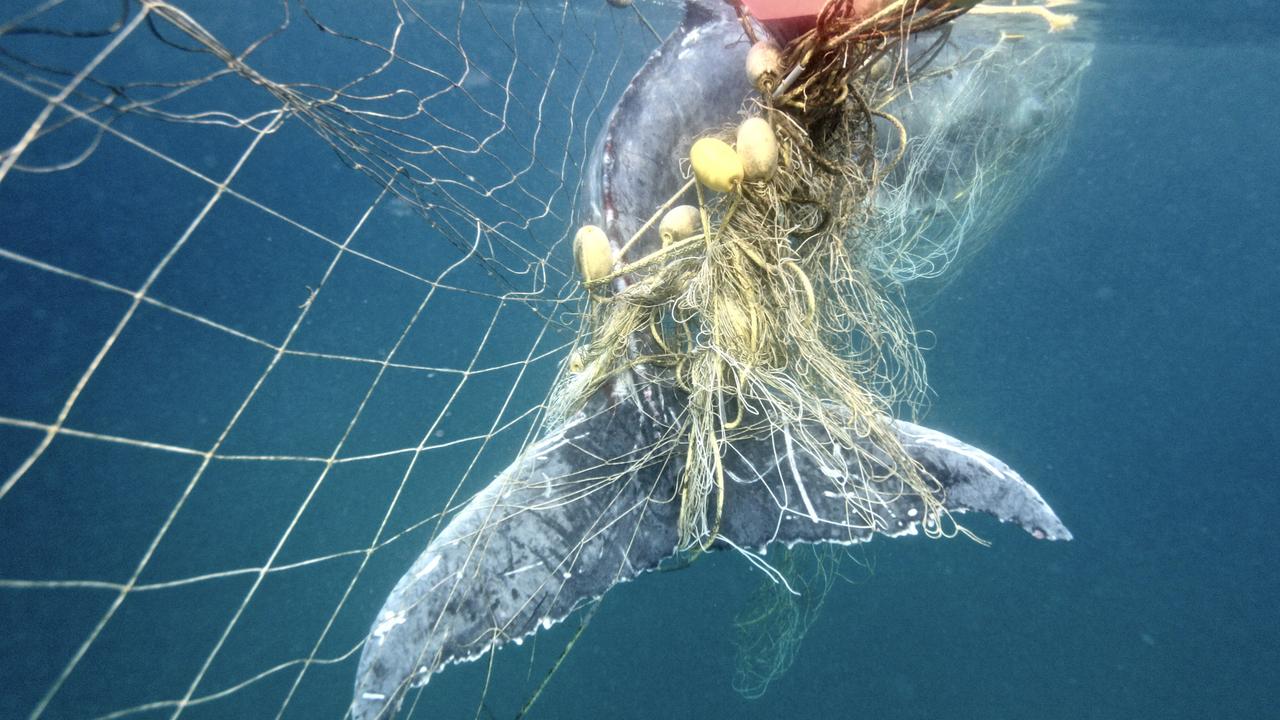
The story of the rare whale shark caught in a net is not just a story about a fish. It is a mirror reflecting the modern paradox of the Anthropocene ocean. On one hand, we have industrial fishing technology capable of extracting every last resource from the sea. On the other hand, we have a single, prehistoric animal, perfectly evolved for 60 million years, that cannot outrun a nylon net.
The tragedy of this specific incident is not that a fisherman caught a rare animal it is that the systems are not yet in place to make release the obvious, easy, and profitable choice. The whale shark, with its constellation of spots and gentle filter-feeding mouth, is not a threat to human protein needs. It is, however, a living, breathing barometer of ocean health. When a whale shark dies entangled in a net, a warning bell rings for all of us who depend on the sea.
Moving forward, the goal is not to stop fishing billions depend on it but to fish smarter. The “Rare Whale Shark Incident” must serve as a catalyst. By combining local ecological knowledge, cutting-edge satellite technology, and economic incentives for conservation, we can ensure that the next time a fisherman looks over the side of his boat and sees that massive, spotted shadow, his first instinct is to reach for a knife not to hurt the shark, but to cut it free. Only then will the word “rare” describe the event in a positive sense: a rare success story for ocean conservation.