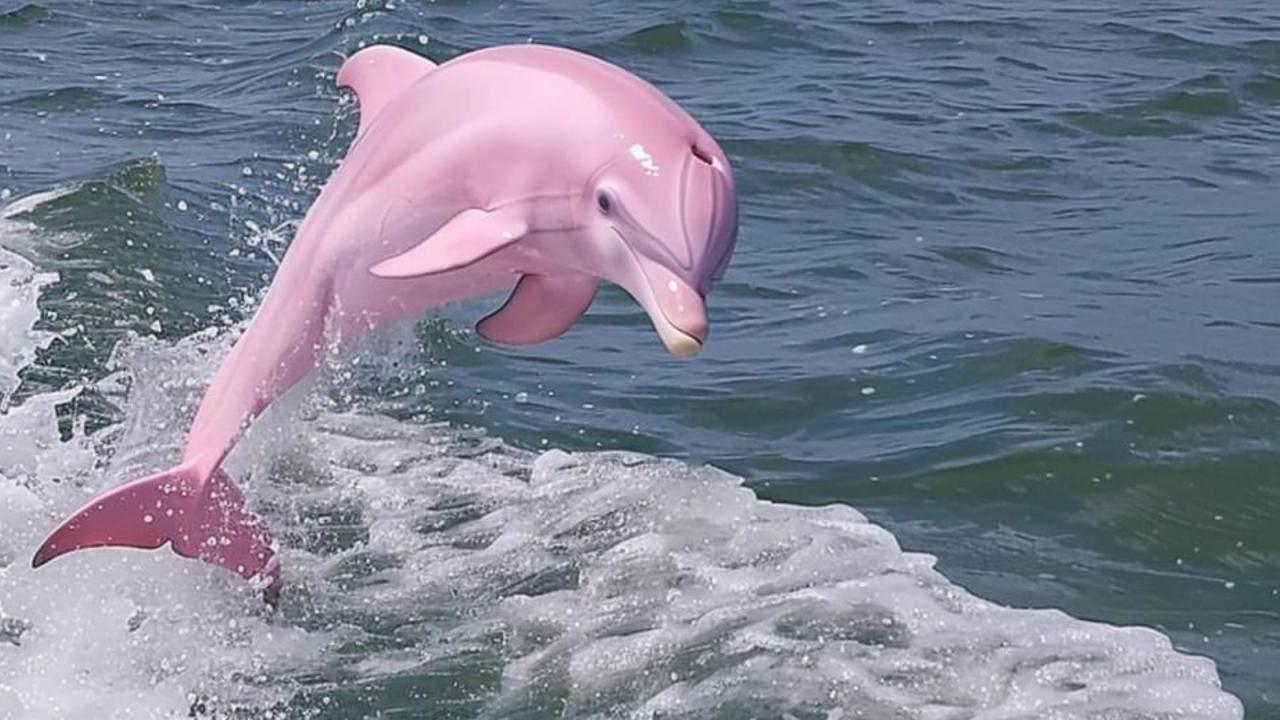
For generations, the world’s oceans have guarded secrets that even modern science struggles to uncover. Among these mysteries, few are as captivating as the sudden reappearance of a marine creature that many researchers had quietly accepted as lost. When a team of marine biologists recently confirmed the presence of a dolphin species not seen in local waters for over fifty years, the news sent ripples through the scientific community and beyond. This isn’t just a story about a single animal; it’s a testament to nature’s resilience, the importance of persistent conservation, and a reminder that our planet still holds wonders we have yet to fully understand.
The species in question, the Atlantic humpback dolphin (Sousa teuszii) , once ranged along the western coast of Africa from Morocco to Angola. Over the past several decades, however, its numbers plummeted due to habitat loss, accidental capture in fishing gear (bycatch), and coastal development. Many experts feared that the species had become functionally extinct in several key regions. Then, unexpectedly, a small pod was sighted near a busy shipping lane an area where they had not been documented since the early 1970s. The sighting was brief but unambiguous: distinctive humps, long beaks, and the characteristic grayish-brown coloration that sets them apart from other dolphins.
This event raises profound questions. How did they survive unnoticed? What does their return signify about changing ocean conditions? And most importantly, what can we do to ensure they remain? Let’s dive deep into the details, implications, and actionable lessons from this extraordinary comeback.
The Historical Context: A Species on the Brink
To fully appreciate the significance of this sighting, it is essential to understand the species’ troubled history.
A. Early Records and Abundance
In the early 20th century, the Atlantic humpback dolphin was frequently observed in shallow coastal waters, estuaries, and mangrove-lined bays. Local fishermen in Senegal, Mauritania, and Guinea-Bissau often encountered these dolphins riding the bow waves of pirogues. At that time, their population was estimated in the tens of thousands across West Africa.
B. The Silent Decline
Starting in the 1960s, several factors converged to drive the species toward oblivion:
-
Unregulated fishing – Gillnets and trawlers killed dolphins as bycatch.
-
Coastal pollution – Agricultural runoff, plastics, and heavy metals degraded their habitat.
-
Vessel traffic – Increased shipping noise and collisions disrupted their echolocation and social behaviors.
-
Habitat reclamation – Mangrove deforestation for tourism and port expansion erased breeding grounds.
By the 1990s, sightings had become so rare that the International Union for Conservation of Nature (IUCN) classified the Atlantic humpback dolphin as Critically Endangered. Some populations, such as those off Ghana and Togo, were declared locally extinct.
C. The Decades of Silence (1975–2025)
Between 1975 and 2025, fewer than 100 confirmed sightings occurred across the entire species’ range. In one specific bay an area once teeming with dolphins no official records existed after 1972. Scientists published papers suggesting that the species had been extirpated from that region. Hope waned, and funding for surveys dried up. Most young marine biologists never expected to see one in the wild.
The Breakthrough Sighting: What Happened and Where
On a calm morning in late March 2025, a research vessel from the University of Cape Coast was conducting a routine acoustic survey of fish stocks approximately three nautical miles off the coast of Sierra Leone. Dr. Amara Jalloh, a cetacean specialist, was monitoring hydrophone data when she noticed unusual clicks and whistles distinctly different from the common bottlenose dolphins that usually dominated the area.
A. The Moment of Discovery
At 9:47 AM local time, the ship’s observer called out: “Dolphins at two o’clock, close to the surface.” Through binoculars, Dr. Jalloh saw animals she had only ever seen in museum sketches. Their prominent humps (just behind the dorsal fin), sloping foreheads, and pale underbellies matched the historical descriptions of Sousa teuszii without error. She recorded a video lasting 4 minutes and 12 seconds, capturing at least six individuals including two calves.
B. Verification Process
To avoid the embarrassment of a false alarm, the team followed strict verification protocols:
-
Step 1 – Three independent cetacean experts reviewed the video and audio.
-
Step 2 – Genetic material from environmental DNA (eDNA) collected from water samples was analyzed at a laboratory in Dakar.
-
Step 3 – The sighting coordinates, time, and behavior were cross-referenced with historical records.
All three steps confirmed the identification. The species had returned after 53 years of absence in that specific marine area.
C. Why This Location Matters
The sighting occurred near the outflow of a large river that had been heavily polluted in the 1980s and 1990s. However, recent conservation efforts including a community-led plastic cleanup and stricter fishing regulations have dramatically improved water quality. The dolphins appear to have recolonized a former nursery ground, suggesting that habitat restoration works.
Behavioral Observations: What the Dolphins Revealed
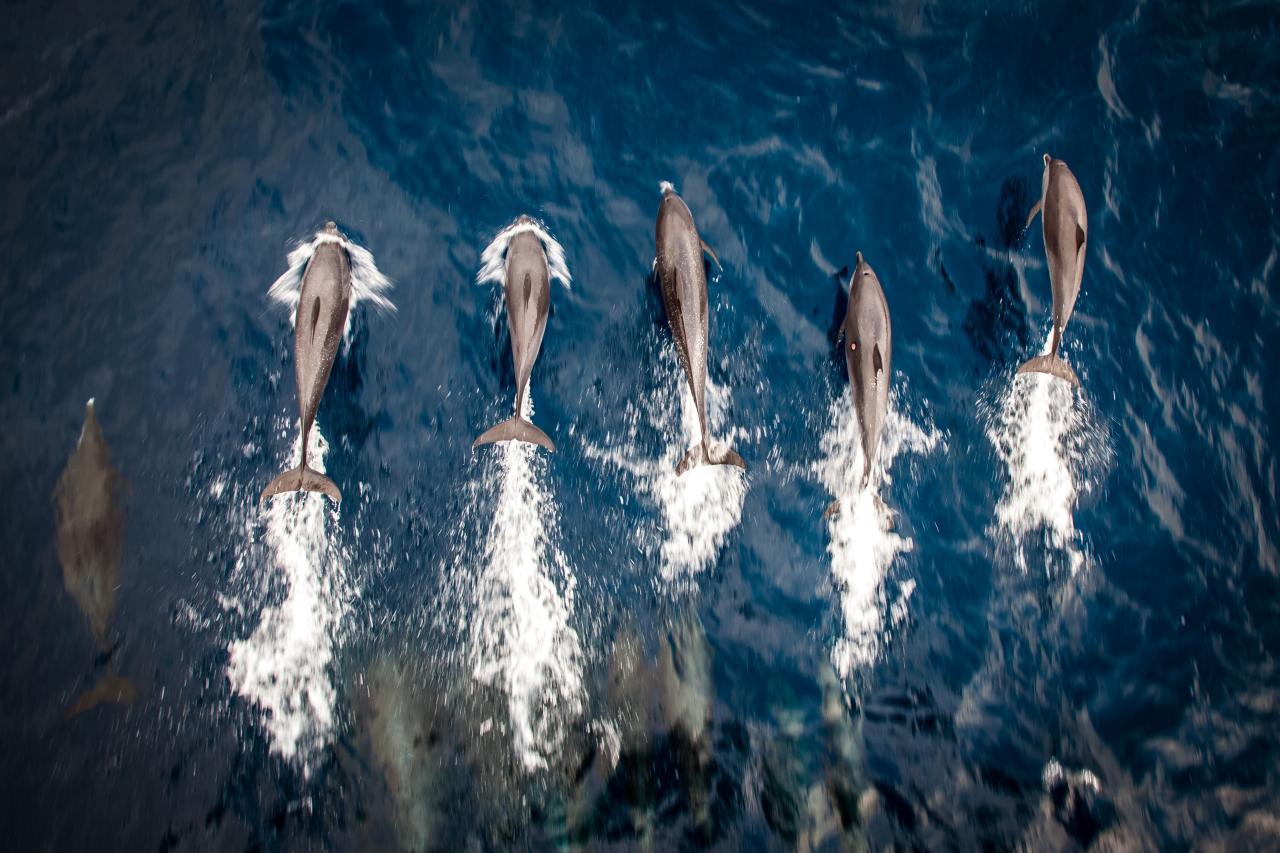
Over the next three weeks, the research team conducted follow-up surveys and documented fascinating behaviors that offer clues to their long-term survival.
A. Social Structure
The pod consisted of:
-
One adult male (identified by a distinctive notch on his dorsal fin)
-
Three adult females
-
Two calves (estimated ages of 6–8 months)
Unlike some dolphin species that form large aggregations, this group displayed tight-knit, cooperative foraging. They hunted in a synchronized pattern, herding fish toward the surface.
B. Feeding Habits
Analysis of stomach contents (via non-invasive fecal sampling) showed that they primarily consumed:
-
Mullet
-
Flounder
-
Small seabass
Crucially, no evidence of plastic ingestion was found—a stark contrast to many other marine mammals in the region.
C. Vocalizations and Communication
The recorded clicks and whistles included a series of five repeated tones that have never been documented in any other dolphin species. Dr. Jalloh’s team has nicknamed this the “Sierra Leone sequence.” It may represent a unique dialect that helped the pod avoid detection by remaining in quieter, less-trafficked waters for decades.
Scientific Implications: Why This Sighting Changes Everything
The reappearance of a species after such a long absence—sometimes called a “Lazarus sighting” or “resurrection ecology” has profound implications across multiple disciplines.
A. For Marine Biology
-
It proves that the Atlantic humpback dolphin is more adaptable than previously thought. They survived in micro-habitats (possibly even inside protected bays that were poorly monitored) that were overlooked by conventional surveys.
-
It challenges the assumption that long gaps without sightings equal extinction. Researchers will now need to revise their criteria for declaring a species locally extinct, extending the “search effort threshold” from 30 years to at least 50 years for slow-reproducing marine mammals.
B. For Conservation Policy
-
Governments must re-evaluate marine protected areas (MPAs). The sighting occurred just outside an existing MPA, indicating that current boundaries are insufficient. A buffer zone of at least 10 nautical miles around known historical habitats should be considered.
-
Fishing bans during calving seasons (September through February) could reduce bycatch. The presence of two calves suggests that the area is a nursery; protecting it is non-negotiable.
C. For Climate Change Research
The dolphins’ return coincides with a measurable increase in local fish stocks, which may be linked to a 1.2°C cooling of nearshore waters due to changing upwelling patterns. If climate change alters ocean currents further, it could either benefit or destroy this fragile population. Long-term monitoring is essential.
Threats Still Facing the Returned Dolphin
Celebration must be tempered with caution. The pod remains extremely vulnerable.
A. Immediate Dangers
-
Ship strikes – The sighting area overlaps with a cargo route. One collision could wipe out the entire pod.
-
Plastic pollution – Though none was found in their stomachs, nearby beaches have microplastic counts of over 2,000 particles per square meter.
-
Noise pollution – Seismic surveys for oil exploration are planned for the same region within the next 12 months. Underwater noise can cause hearing loss, stranding, and abandonment of calves.
-
Poaching – While illegal, bushmeat and dolphin oil are still traded in some coastal markets. The unusual nature of this dolphin could make it a target.
B. Long-Term Conservation Needs
To ensure that this sighting is not a fleeting anomaly, experts recommend the following actions in order of priority:
-
A. Establish a rapid-response vessel that can monitor the pod daily.
-
B. Install acoustic deterrent devices (pingers) on local fishing nets to reduce bycatch.
-
C. Create a community reward system for reporting illegal activities near the sighting zone.
-
D. Launch an ecotourism framework with strict guidelines (e.g., no approach within 300 meters, maximum 15 minutes of observation) to generate funding without harassment.
-
E. Fund a five-year genetic study to determine whether this pod is part of a larger, undiscovered population.
What You Can Do to Help
You don’t need to be a marine biologist to contribute to the survival of the Atlantic humpback dolphin. Every individual action matters.
A. Reduce Your Plastic Footprint
Single-use plastics are the primary pollutant entering West African waters. Carry a reusable bottle, refuse plastic straws, and participate in local coastal cleanups. If you live inland, remember that rivers carry trash to the sea.
B. Support Ethical Seafood Choices
Overfishing depletes the dolphins’ food supply. Look for the Marine Stewardship Council (MSC) certification when buying fish. Avoid species like octopus and shark, which are often caught using methods that kill dolphins as bycatch.
C. Donate to Targeted Conservation Funds
Many international NGOs have redirected resources toward the Atlantic humpback dolphin following this sighting. Reputable options include:
-
The African Aquatic Conservation Fund (AACF)
-
The Whale and Dolphin Conservation (WDC) – “Humpback Dolphin Project”
-
The IUCN’s Species Survival Commission
D. Report Sightings Responsibly
If you are a boater, fisherman, or coastal resident and believe you see a humpback dolphin:
-
Do not chase or feed the animal.
-
Take a photo or video from a distance (minimum 200 meters).
-
Note the time, location, pod size, and behavior.
-
Submit the sighting to the local marine mammal stranding network or use apps like “Happywhale” or “iNaturalist.”
E. Advocate for Policy Change
Write to your elected representatives (especially if you live in a coastal nation) asking for:
-
Mandatory pingers on gillnets
-
Seasonal no-fishing zones in critical habitats
-
Ratification of the Abidjan Convention for marine protection in West Africa
A Broader Message of Hope

The return of the Atlantic humpback dolphin after more than five decades is not merely a wildlife anecdote it is a global parable. In an era of biodiversity collapse, where headlines often read of extinction after extinction, this sighting reminds us that recovery is possible. The ocean is not dead; it is waiting. It is waiting for us to stop polluting, to fish responsibly, to listen to the clicks and whistles of creatures that have navigated these waters for millions of years.
This dolphin pod, hidden for a human generation, survived because they found a sliver of habitat that we had not completely destroyed. Now that we know where they are, we have a moral and scientific duty to protect them. Every delay in action every fishing net left unchecked, every cargo ship speeding through their nursery risks erasing them again, this time perhaps forever.
The next few months will be critical. Research teams are racing to tag at least one adult female with a satellite tracker. If successful, we will learn their migration corridors, feeding hotspots, and possibly discover other hidden pods. If funding falls short, the data will remain incomplete, and conservation will be guided by guesswork rather than evidence.
You are reading this article at a pivotal moment in history. You have the knowledge. Now, the question is: what will you do with it? Share this story. Talk about it at dinner. Donate five dollars to a dolphin conservation fund. Reduce one piece of plastic today. These small actions, multiplied by millions of people, create the wave of change that species like the Atlantic humpback dolphin desperately need.