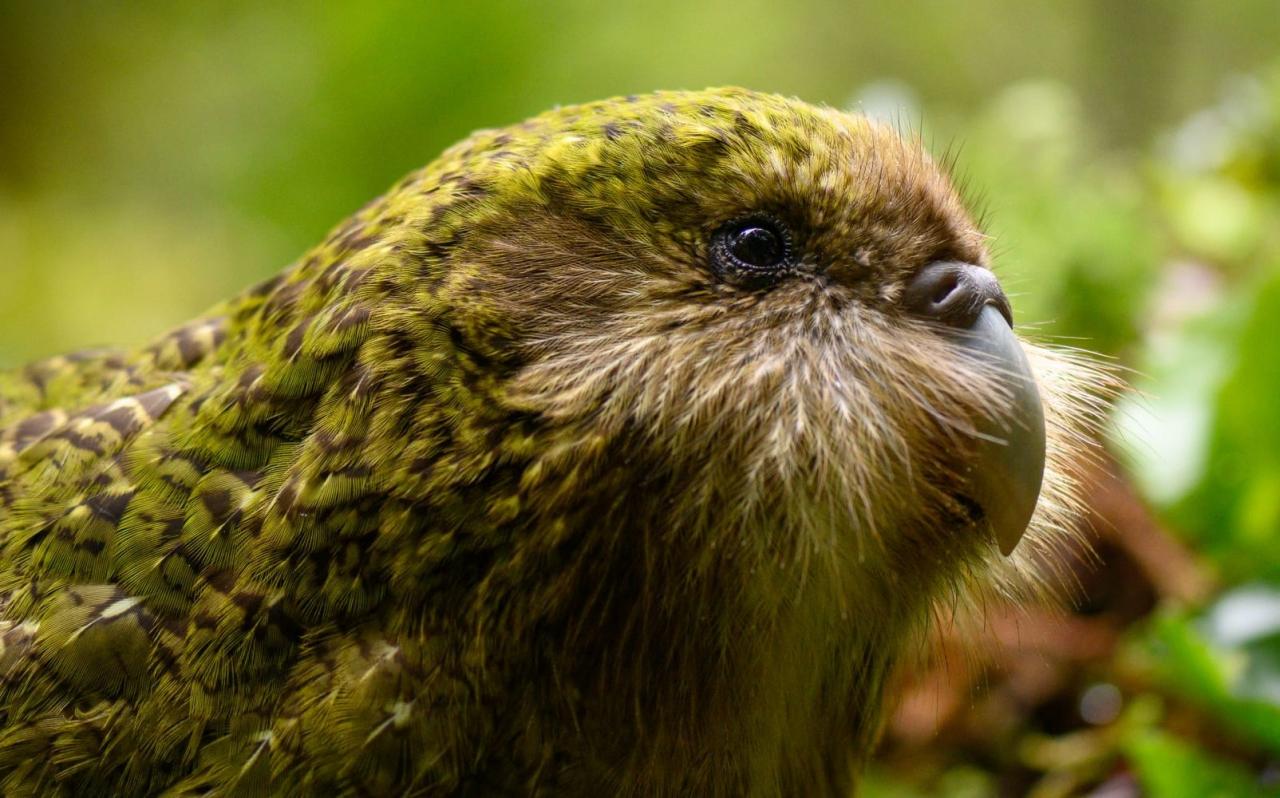
The natural world is full of mysteries, but few are as captivating and fragile as the story of the kakapo. This year, however, conservationists and nature lovers alike are celebrating an extraordinary event: a remarkable surge in kakapo breeding success. For those unfamiliar with this unique bird, the kakapo (Strigops habroptilus) is a nocturnal, flightless parrot endemic to New Zealand. It is also one of the rarest birds on the planet. For decades, the species has teetered on the brink of extinction, with its population numbering only in the dozens during the 1990s. Thanks to decades of painstaking conservation work, the kakapo has slowly begun to recover. But this year’s breeding season has surpassed all expectations, offering new hope for the species’ long-term survival.
In this article, we will explore the reasons behind this year’s breeding boom, the science and strategy that made it possible, the challenges that remain, and what this success means for the future of one of the world’s most beloved and bizarre birds. By the end, you will understand why the kakapo’s story is not just about a single species, but about the power of dedicated human intervention, technological innovation, and the resilience of nature itself.
Understanding the Kakapo: A Truly Unusual Parrot
Before diving into this year’s breeding achievements, it is essential to understand why the kakapo is so different from other parrots—and why breeding has historically been so difficult. The kakapo is not your average bird. It possesses a set of characteristics that, while endearing, have made it highly vulnerable to ecological changes and human activity.
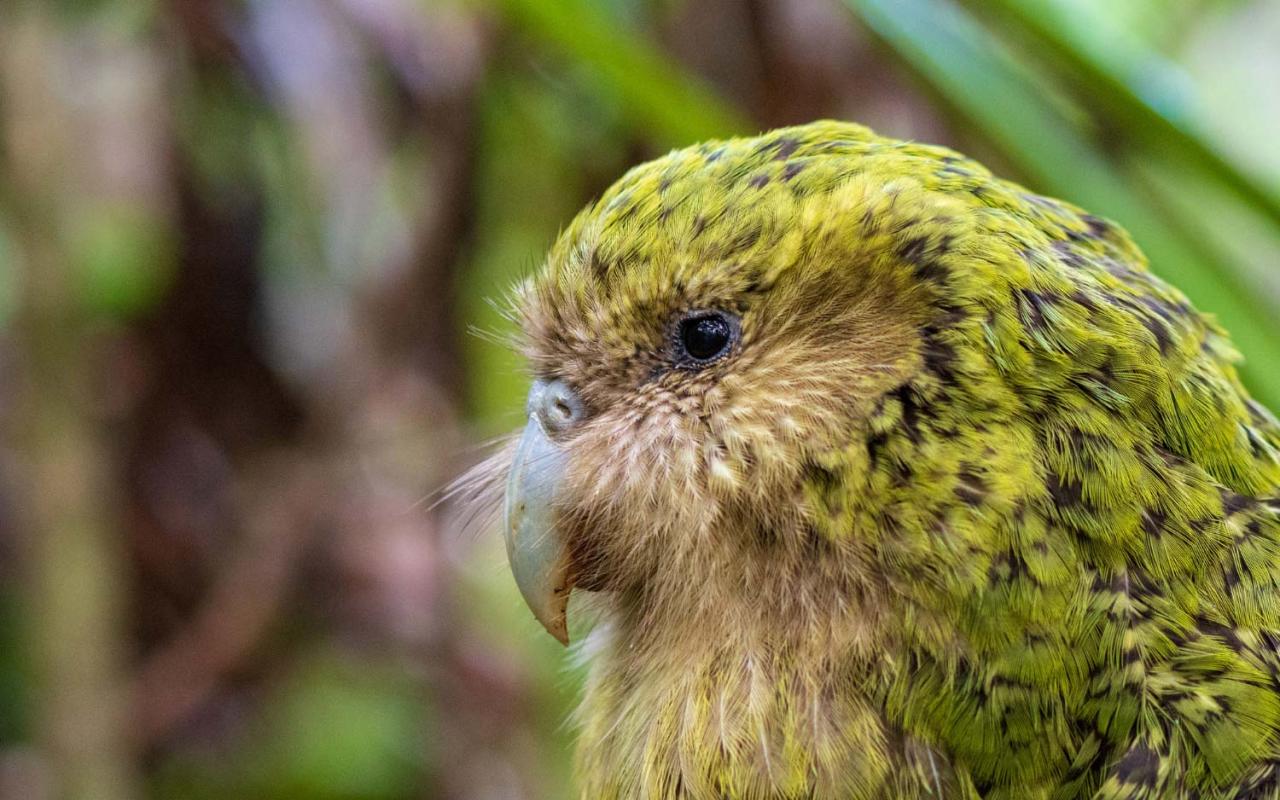
A. Nocturnal and Flightless – Unlike most parrots, the kakapo cannot fly. It has soft, moss-green feathers that provide excellent camouflage in the forest undergrowth, and it climbs trees using its powerful legs and beak. Its nocturnal nature helped it avoid daytime predators for millions of years, but it also means that kakapo rely on subtle environmental cues to trigger breeding.
B. Lek Breeding System – Male kakapo gather at specific sites called leks during the breeding season. They produce low-frequency booming calls that can travel for several kilometers through the forest. These calls attract females, who then choose a mate based on the quality of his display. However, this system only works when there is enough food, particularly the fruit of the rimu tree (Dacrydium cupressinum).
C. Diet-Driven Reproduction – One of the most unusual facts about the kakapo is that their breeding cycle is entirely dependent on the mast seeding of rimu trees. Rimu trees do not produce fruit every year; they do so only every two to four years, and sometimes even less frequently. In years without a good rimu crop, kakapo simply do not breed. This is a major reason why population recovery has been so slow.
D. Long Lifespan and Slow Maturation – Kakapo can live up to 90 years or more, making them one of the longest-living birds. However, they do not start breeding until around five to nine years of age for females, and males may not participate in leks until even older. This slow reproductive rate means that every successful breeding season is critical.
Historical Context: From Abundance to Near Extinction
To appreciate the magnitude of this year’s breeding success, one must first understand the decades of struggle that preceded it. Before humans arrived in New Zealand, kakapo thrived across the North and South Islands, as well as Stewart Island. They had no natural mammalian predators. Their primary defenses camouflage, stillness, and a musky odor—were effective against birds of prey but useless against introduced mammals.
When Māori settlers arrived, they brought dogs and rats. Later, European colonists introduced stoats, cats, ferrets, and more rats. These predators decimated kakapo populations. By the early 20th century, the kakapo was already considered rare. In the 1970s, a systematic search found only a small population of males in Fiordland, and by the 1980s, the entire known population was moved to offshore islands free from predators, such as Whenua Hou (Codfish Island), Anchor Island, and Little Barrier Island.
Even then, breeding success was sporadic. In the 1990s, the population dropped below 50 individuals. Conservationists realized that without intensive management, the kakapo would go extinct. This led to the creation of the Kākāpō Recovery Programme, one of the most intensive and innovative species recovery efforts in history.
This Year’s Breeding Success: The Numbers Speak
Now, let us turn to the headline-grabbing news. This year, the kakapo breeding season has produced an unprecedented number of healthy chicks. According to the latest data released by the New Zealand Department of Conservation (DOC) and the Kākāpō Recovery team, over 50 chicks have successfully fledged this season, pushing the total wild population past 250 individuals for the first time in over half a century.
To put this in perspective, consider the following:
-
In 1995, the total population was just 51 birds.
-
In 2019, a bumper breeding season produced 75 chicks, bringing the population to 213.
-
This year, even with natural mortality and some failed nests, the net gain is expected to be the largest since intensive monitoring began.
What makes this year particularly special is not just the number of chicks, but the survival rate. Over 85% of eggs laid resulted in fledged chicks, a figure that was unheard of just a decade ago. Furthermore, genetic diversity has been carefully managed, meaning that the new chicks come from a wide range of bloodlines, reducing the risk of inbreeding depression.
Why Was This Year So Successful?
Several factors converged to create this year’s breeding boom. The Kākāpō Recovery team has learned from past seasons and applied a combination of traditional field techniques and cutting-edge technology. Below is a detailed breakdown of the key reasons.
1. A Superb Rimu Mast Year
The primary driver of kakapo breeding is food abundance. Specifically, female kakapo will only lay eggs when rimu fruit is plentiful. This year, rimu trees on Whenua Hou and Anchor Island experienced one of the heaviest mast seeding events in decades. The fruit production was dense, consistent, and long-lasting, providing the necessary nutrition for females to build up body fat and produce eggs. Males also had more energy to perform their booming displays, leading to more frequent and successful matings.
2. Smart Supplemental Feeding
While natural rimu fruit is ideal, the recovery team also provides supplemental food to ensure that females are in optimal condition. This year, the team used a specially formulated kakapo food pellet that mimics the nutritional profile of rimu fruit. However, unlike previous years, they employed a dynamic feeding strategy: feeders were placed closer to nests and adjusted in real time based on each bird’s body condition. This prevented obesity (which can cause infertility) while ensuring no bird went hungry.
3. Advanced Genetic and Fertility Management
The kakapo population is still small enough that every individual matters. Scientists now use a detailed genetic database to plan pairings. Before the breeding season began, researchers ran computer models to predict which male-female pairings would produce the healthiest offspring. In some cases, artificial insemination was used, especially for genetically valuable males that were either too old or too clumsy to compete in leks. This year, artificial insemination succeeded at a rate of 70%, a significant improvement over past attempts.
4. Real-Time Nest Monitoring with Smart Transmitters
Every kakapo on the main sanctuary islands is fitted with a lightweight transmitter. These transmitters do more than just track location. They monitor activity levels, body temperature, and even the bird’s vocalizations. When a female begins nesting, the transmitter sends alerts to a central monitoring station. If the transmitter detects that a female has left the nest for too long (which could indicate danger or abandonment), a ranger is dispatched immediately. This rapid response saved at least a dozen eggs this year.
5. Predator-Free Island Ecosystems
Over the last decade, New Zealand has invested heavily in creating and maintaining predator-free offshore islands. Whenua Hou, Anchor Island, and other sanctuaries are regularly monitored for rats, stoats, and feral cats. This year, intensive trapping and aerial baiting programs kept predator numbers at zero. As a result, the only threats to chicks were natural bad weather, falls from nests, or sibling aggression all of which can be mitigated by rangers.
6. Hand-Rearing and Foster Parenting Protocols
Not all kakapo mothers are good parents. Some females abandon their eggs, crush them by accident, or fail to feed their chicks adequately. This year, the recovery team implemented a two-tier system:
-
Foster parenting: For eggs or chicks at risk, they were moved to experienced foster mothers known to be attentive.
-
Hand-rearing: When no foster mother was available, chicks were hand-reared in a dedicated nursery using protocols that mimic natural feeding schedules and social interactions. Hand-reared chicks in previous years have integrated successfully into the wild population.
Challenges Overcome During This Season
Despite the overall success, the 2026 breeding season was not without its difficulties. Understanding these challenges highlights the dedication of the conservation team.
A. Extreme Weather Events – Early in the breeding season, a series of storms hit southern New Zealand, causing flooding on Anchor Island. Several low-lying nests were at risk. Rangers waded through rising waters to move eggs and incubators to higher ground. Miraculously, all eggs were saved.
B. Aspiration Syndrome in Chicks – Some chicks developed aspiration syndrome, a condition where food or liquid enters the lungs. This is often fatal in young birds. However, veterinarians on site developed a new suction and antibiotic protocol that saved three chicks that would have died in previous years.
C. Male Aggression – On Whenua Hou, an unusually dominant male began monopolizing the lek, preventing other males from mating. His booming calls were so loud and frequent that females would mate with him repeatedly, reducing genetic diversity. The team temporarily relocated him to a different part of the island, allowing other males access to females.
D. Egg Binding in Females – Egg binding, where a female cannot expel an egg, is a serious condition. This year, two females experienced this. Thanks to portable x-ray equipment and swift surgical intervention, both birds survived and went on to raise chicks later in the season.
The Role of Technology in Kakapo Recovery
It is impossible to overstate how much technology has contributed to this year’s success. The Kākāpō Recovery Programme is now one of the most technologically advanced wildlife conservation projects in the world. Below are some of the key innovations.
Smart Eggs and Artificial Incubators
In past years, if a kakapo abandoned her nest, the eggs were often lost. Now, conservationists use “smart eggs” 3D-printed replicas containing sensors that record temperature, humidity, and movement. These smart eggs are placed in nests to gather data on maternal behavior. If a real egg needs to be removed for incubation or genetic testing, the smart egg takes its place, keeping the mother engaged until her real egg is returned.
Drone-Assisted Rimu Surveys
Knowing exactly when and where rimu fruit is abundant is critical. This year, drones equipped with multispectral cameras flew over sanctuary islands, creating detailed maps of rimu tree health and fruit density. This allowed the team to predict which areas would have the highest breeding potential weeks in advance.
Automated Vocalization Analysis
Male kakapo booming calls are recorded by a network of acoustic sensors. Machine learning algorithms analyze these recordings to count individual males, assess call frequency, and even estimate the body condition of the caller (healthier males produce deeper, more consistent booms). This data helps researchers decide which males to prioritize for genetic pairing.
What This Success Means for the Future
The breeding boom of 2026 is more than just good news. It represents a turning point in kakapo conservation. With the population now exceeding 250 birds, the species has moved out of the “critically endangered” category based on raw numbers alone, although it remains classified as such due to its limited range and reliance on intensive management.
Here are some long-term implications:
-
Genetic Viability: With over 250 individuals and a carefully managed gene pool, the kakapo now has enough genetic diversity to avoid inbreeding depression for the foreseeable future. This was a major concern when the population was below 100.
-
Potential for New Sanctuaries: As the population grows, the existing sanctuaries will reach carrying capacity. Conservationists are already exploring new offshore islands and mainland fenced sanctuaries for future kakapo populations. This year’s success provides the political and public support needed to fund these expansions.
-
Reduced Reliance on Human Intervention: One of the ultimate goals is a self-sustaining wild population. While not yet there, this year’s high natural survival rate suggests that kakapo are capable of breeding and raising young with minimal help, provided there is enough food and predator-free habitat.
-
Global Conservation Model: The methods pioneered by the Kākāpō Recovery Programme smart transmitters, dynamic feeding, genetic pairing, and real-time nest monitoring are now being adopted for other critically endangered birds, including the kākāriki karaka (orange-fronted parakeet) and the takahē.
How You Can Help
The kakapo’s journey is far from over. While this year’s breeding success is cause for celebration, the species remains vulnerable. Climate change, new diseases, and the ever-present risk of predator re-invasion mean that ongoing support is essential. Here are ways you can contribute to kakapo conservation:
A. Donate to the Kākāpō Recovery Programme – The program relies on public donations. Even a small amount can fund transmitters, supplemental food, or veterinary care.
B. Adopt a Kakapo – Several organizations offer symbolic adoption programs. You receive updates about your specific bird and its chicks, creating a personal connection to the recovery effort.
C. Visit New Zealand’s Conservation Projects – Eco-tourism to predator-free islands, when available, generates revenue that supports ongoing work. Always choose operators that contribute a portion of profits to conservation.
D. Spread Awareness – Share articles, documentaries, and social media posts about kakapo. Public awareness drives political will and funding.
E. Support Predator-Free New Zealand – The ultimate long-term goal is to eradicate introduced predators from the entire country. Supporting this national initiative benefits not just kakapo, but all native wildlife.
Looking Ahead: The Next Breeding Season
As the 2026 breeding season winds down, conservationists are already preparing for the future. The rimu mast cycle is unpredictable, but based on historical patterns, next year may be a low-fruiting year. However, this does not mean breeding will stop entirely. With improved supplemental feeding and a larger, healthier population, even in off-years some breeding may occur.
Researchers are also experimenting with accelerated breeding techniques, such as using hormonal implants to stimulate breeding in non-mast years. While still experimental, this technology could revolutionize kakapo conservation by breaking the species’ dependence on rimu fruiting.
Furthermore, plans are underway to translocate some of this year’s juveniles to a new sanctuary on the mainland, protected by a predator-proof fence. This would be the first time kakapo live on mainland New Zealand in nearly half a century a powerful symbol of hope.
Conclusion
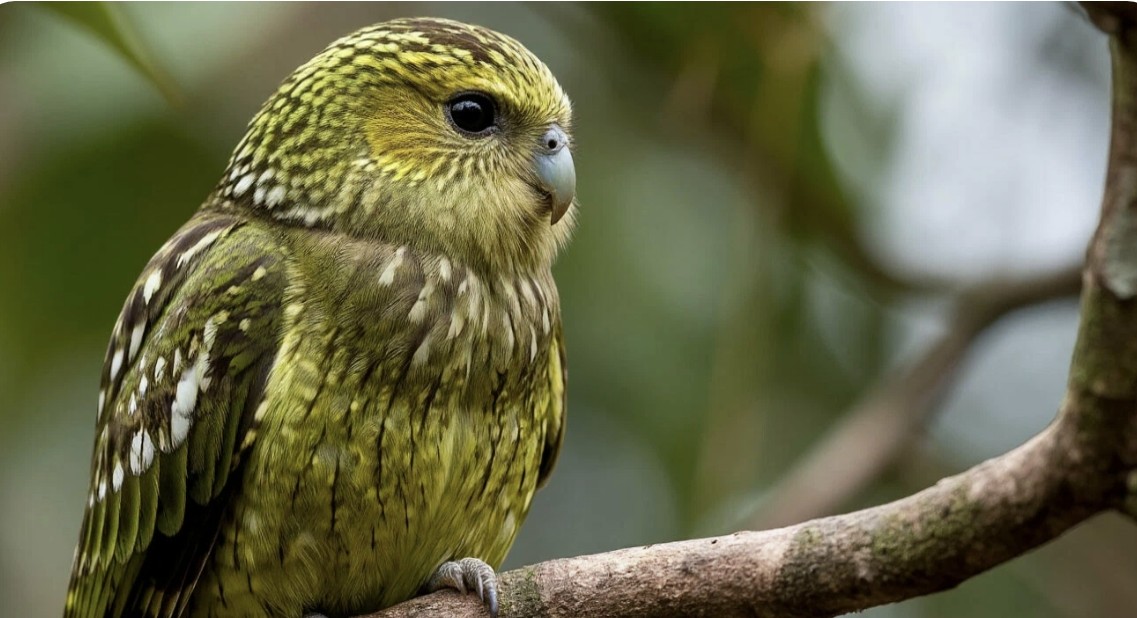
The kakapo is a bird like no other gentle, curious, comically awkward on the ground, yet hauntingly beautiful in its booming calls across moonlit forests. For decades, the species seemed destined for oblivion. But thanks to the tireless work of scientists, rangers, volunteers, and supporters, the kakapo is writing a new chapter. The breeding boom of this year, with over 50 healthy chicks and a population surpassing 250 individuals, is a landmark achievement in the history of wildlife conservation.
It proves that with enough dedication, innovation, and public support, even the most endangered species can be pulled back from the edge. Yet the work is not finished. The kakapo still needs help. Every donation, every shared story, and every visit to New Zealand’s sanctuaries contributes to a future where the kakapo no longer requires human hand-holding a future where these ancient parrots boom once again across forests without fences, without fear.
So let us celebrate this year’s success, but let us also recommit to the journey ahead. The kakapo has come roaring back. Now it is up to us to ensure it never falls silent again.