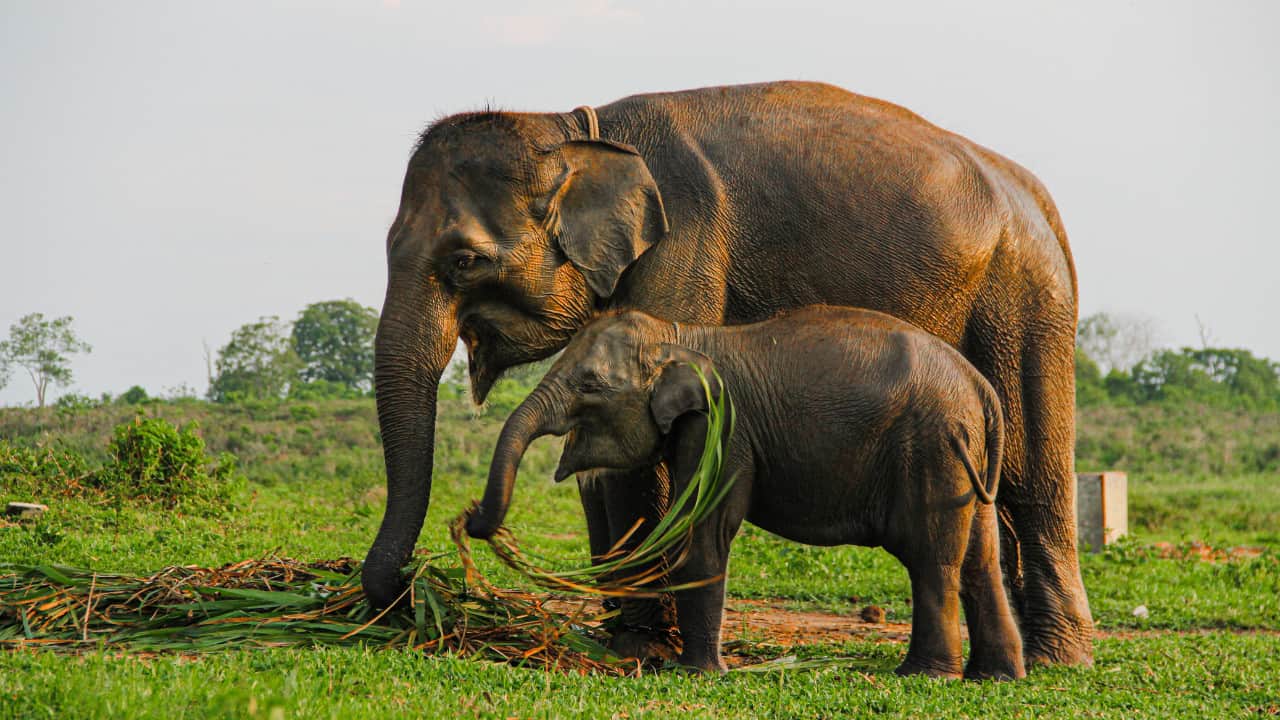
The lush, emerald rainforests of Sumatra have long been a sanctuary for some of the world’s most extraordinary creatures. Among them, the Sumatran elephant (Elephas maximus sumatranus) stands as a gentle giant, a keystone species that shapes the very fabric of its ecosystem. Yet, despite its ecological and cultural significance, this magnificent animal is being pushed to the brink of annihilation. The recent discovery of a fully grown Sumatran elephant found poisoned dead in the province of Riau has sent shockwaves through the global conservation community. This incident is not an isolated accident but rather a harrowing symptom of a much deeper, more systemic crisis.
This article will dissect the tragic event, explore the root causes of elephant poisoning, analyze the devastating impact on biodiversity, and outline the urgent measures needed to prevent future deaths. We will also explore how local communities, governments, and international organizations can collaborate to ensure that the roar of the Sumatran elephant does not fade into eternal silence.
Part 1: The Incident – A Silent Death in the Jungle
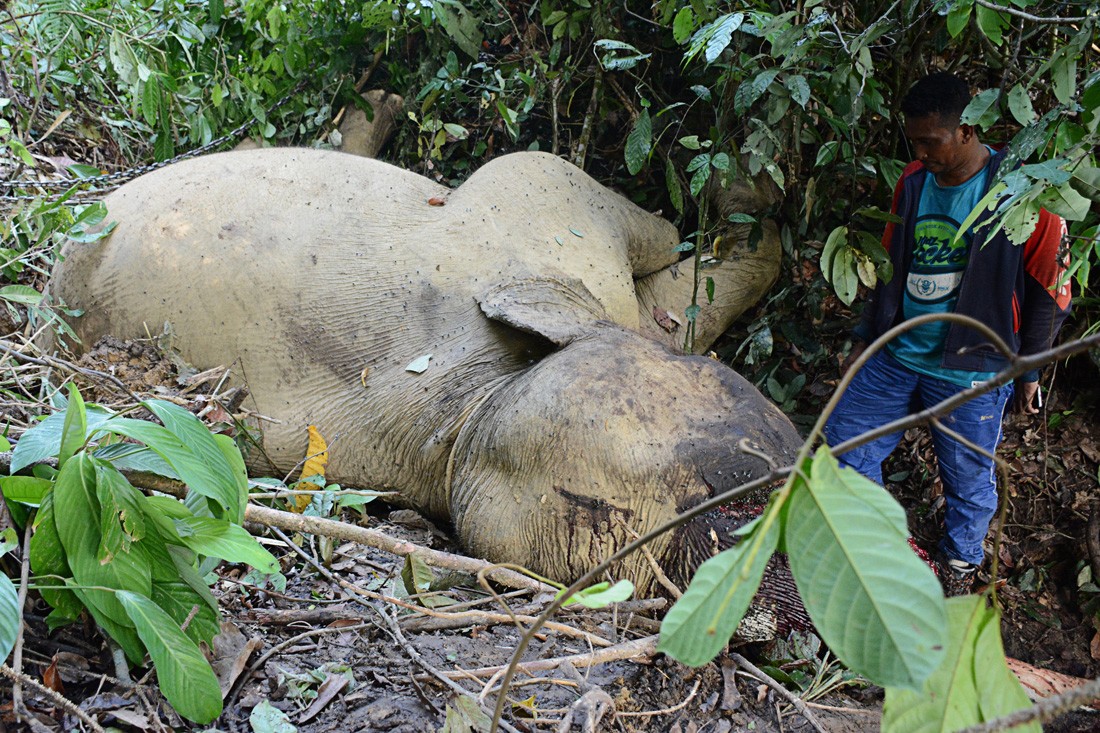
On a humid morning in late October, a patrol team from the Riau Natural Resources Conservation Agency (BKSDA) received a distress call from local villagers. The smell of decay had been wafting from a nearby palm oil plantation for days. When the team arrived, they were met with a grotesque sight. A male Sumatran elephant, estimated to be around 25 years old and weighing nearly four tons, lay motionless on its side. Its trunk was curled inward, a classic sign of severe neurological distress. The eyes were sunken, and foam crusted the mouth. Initial field tests and subsequent veterinary analysis confirmed the worst: the elephant had been poisoned.
What made this death particularly chilling was the location. The carcass was found less than 500 meters from a protected forest zone, an area theoretically safeguarded by Indonesian law. Around the body, investigators found remnants of durian fruit mixed with a potent pesticide commonly used in agricultural plantations. The poison, identified as carbofuran, is a highly toxic carbamate pesticide. While its use is restricted in many countries due to its lethal effect on non-target species, it remains easily accessible in parts of Indonesia.
The elephant’s tusks were still intact, ruling out trophy hunting as a motive. This suggested a different kind of malice: retaliation. Local sources indicated that a small herd of elephants had been raiding crops in the plantation for several nights prior. The farmers, frustrated by the loss of their livelihood, likely laced the fruit with poison. Whether the act was premeditated murder or a desperate attempt at pest control, the result was the same: another irreplaceable life lost.
Part 2: Understanding the Sumatran Elephant – A Biological Treasure
To fully grasp the magnitude of this tragedy, one must first understand what is at stake. The Sumatran elephant is a subspecies of the Asian elephant, genetically and physically distinct from its Indian or Sri Lankan cousins.
A. Physical Characteristics and Behavior
Sumatran elephants are the smallest of the Asian elephant subspecies, yet they are still massive by any terrestrial standard. Adult males rarely exceed 2.5 meters at the shoulder. They possess lighter skin with fewer depigmented patches, and their ears are relatively smaller. One of their most notable features is the presence of tusks in males, though some females have small, barely visible ones called “tushes.” They are highly intelligent, social animals that live in matriarchal herds. These herds, typically consisting of 6 to 20 individuals, traverse vast home ranges of up to 200 square kilometers.
B. Ecological Role as a Keystone Species
The Sumatran elephant is not just another resident of the forest; it is an ecosystem engineer. As they move through the jungle, they create clearings that allow sunlight to reach the forest floor, which encourages the growth of saplings and grasses. Their dung, which can weigh up to 50 kilograms per day, is a mobile fertilizer factory. It disperses seeds from hundreds of plant species, many of which cannot germinate without passing through an elephant’s digestive system. Without elephants, the rainforest’s regeneration capacity collapses, leading to a cascade of extinctions among smaller animals and plants.
C. Current Population Status
According to the International Union for Conservation of Nature (IUCN), the Sumatran elephant is classified as Critically Endangered. Over the past 25 years, the population has declined by at least 80%. Today, fewer than 2,000 individuals remain in the wild, fragmented into small, isolated populations across the provinces of Riau, North Sumatra, Jambi, Bengkulu, and Lampung. Some subpopulations are already considered functionally extinct, meaning they lack enough breeding pairs to sustain themselves.
Part 3: The Motives Behind the Poisoning – A Breakdown
Why would someone kill an elephant? The answer is rarely simple. In the case of the Riau poisoning, multiple factors converged to create a deadly recipe. Below is an ordered breakdown of the primary motives based on forensic and sociological investigations.
A. Human-Elephant Conflict (HEC) Retaliation
This is the leading cause of deliberate elephant killings in Sumatra. As forests shrink, elephants are forced to forage in agricultural areas. A single elephant can consume 150 to 300 kilograms of vegetation per day. When a herd enters a palm oil or rubber plantation, they can destroy an entire month’s income for a smallholder farmer in a single night. Farmers, feeling abandoned by the government, take matters into their own hands. Poison is a silent, cheap, and easily deniable weapon compared to firearms, which attract attention.
B. Palm Oil Expansion and Land Grabbing
Indonesia is the world’s largest producer of crude palm oil. While the industry generates billions of dollars, it has devoured more than 70% of Sumatra’s lowland rainforests. These lowland areas are precisely the elephants’ preferred habitat. When companies clear land, they often burn forests or drain peatlands, fragmenting elephant migratory corridors. Trapped in shrinking patches of jungle, elephants inevitably wander onto plantations. In some documented cases, plantation workers have poisoned elephants to prevent them from damaging young palm trees, which are worth significant money.
C. Availability of Lethal Agrochemicals
Carbofuran, aldicarb, and other potent pesticides are sold openly in many village markets. These substances are inexpensive—often costing less than five dollars per kilogram. Farmers use them to protect their crops from insects, but they are equally effective at killing vertebrates. There is little regulation or education regarding the proper handling of these toxins. A farmer who intends to kill a wild boar may accidentally kill an elephant, or in the case of the Riau elephant, the poison may be intended directly for the pachyderm.
D. Weak Law Enforcement and Judicial Impunity
The Indonesian Conservation Law (No. 5 of 1990) stipulates that killing a protected animal carries a maximum sentence of five years in prison and a fine of up to 100 million rupiah (approximately $6,500 USD). However, convictions are exceptionally rare. In the past decade, fewer than a dozen individuals have been successfully prosecuted for elephant poisoning. The primary reasons include lack of witnesses, destruction of evidence (the poison degrades quickly), and corruption at the local level. Perpetrators know that the likelihood of being caught and punished is near zero.
E. Illegal Wildlife Trade (Occasional Factor)
While the Riau elephant retained its tusks, it is important to note that some poisonings are linked to the illegal ivory trade. Poisoning an entire herd allows poachers to collect tusks without the risk of gunfire being heard. However, this method is less common because poison can contaminate the meat and tusks. In this specific case, the untouched tusks confirm that retaliation, not trade, was the driver.
Part 4: The Ripple Effect – Beyond One Dead Elephant
When an elephant dies, the consequences vibrate far beyond the muddy clearing where its body falls.
1. Social Disruption of the Herd
Elephants are deeply emotional animals. They mourn their dead. Researchers have documented herds standing over a dead companion for hours, touching the bones with their trunks and feet. The loss of a matriarch—the leader who holds the memory of water sources and migration routes can doom an entire herd. Younger elephants become disoriented, stressed, and more likely to enter human settlements in confusion. This increases the likelihood of future conflicts, creating a vicious cycle.
2. Loss of Genetic Diversity
With fewer than 2,000 individuals left, the Sumatran elephant’s gene pool is dangerously shallow. Each adult represents a unique repository of genetic adaptations resistance to diseases, ability to digest specific plants, or navigational intelligence. Killing a breeding-aged male or a pregnant female removes those genes from the population forever. Inbreeding depression, which leads to lower fertility and higher infant mortality, becomes more pronounced with every death.
3. Economic Impact on Ecotourism
Sumatra has enormous potential for wildlife ecotourism. Responsible elephant viewing in places like Way Kambas National Park generates revenue for local communities and provides jobs. However, news of poisonings and declining populations scares away international tourists, who are increasingly sensitive to conservation ethics. The loss of a single elephant can translate into thousands of dollars in lost tourism revenue annually, ultimately hurting the very farmers who might otherwise tolerate the animals.
4. Environmental Degradation
As we noted earlier, elephants are gardeners of the jungle. Without them, the forest becomes denser, less diverse, and more susceptible to fires. In areas where elephants have been locally extirpated, researchers have observed a 30% reduction in tree species diversity within 20 years. The forest becomes a “green desert” still standing, but functionally dead.
Part 5: The Flawed Defense – Why Current Conservation Strategies Are Failing

Despite decades of conservation programs, the Sumatran elephant continues its slide toward extinction. Why? Let us examine the shortcomings.
A. Inadequate Physical Barriers
Electric fences and trenches are the most common tools used to deter elephants from plantations. However, maintenance is poor. Monsoon rains short-circuit electric fences. Trenches erode and fill with mud. Elephants are intelligent and quickly learn which fences are inactive. A 2022 survey found that over 60% of the electric fences in Riau were non-functional.
B. Slow Government Response
The “Flying Squad” (Tim Flying Squad) a rapid-response unit designed to chase elephants back into the forest is chronically underfunded. They lack enough vehicles, fuel, and trained handlers. By the time they arrive, often two or three days after a complaint, the elephants have already caused damage and the farmers have already set poison.
C. Lack of Alternative Livelihoods
Conservation organizations often preach “coexistence,” but unless farmers have financial alternatives, they will continue to view elephants as pests. Compensation schemes for crop damage are notoriously slow and bureaucratic. In many cases, farmers wait over a year to receive payments, which are often less than the actual value of the destroyed crops.
D. Corruption in Land Use Planning
Indonesia has a moratorium on new palm oil licenses in primary forests, but loopholes abound. Companies often bribe local officials to reclassify forest land as “degraded” or “conversion” land, allowing legal clearing. Once the forest is gone, elephants have nowhere to go. The poison found at the Riau site, by the way, was a brand commonly used by industrial plantations, not just small farmers.
Part 6: A Path Forward – Solutions That Could Save the Subspecies
Despair is not an option. There are concrete, evidence-based strategies that can turn the tide for the Sumatran elephant. These solutions require cooperation, funding, and political will.
A. Immediate Actions (Next 12 Months)
-
Establish a Rapid Poison Response Team: Train veterinarians and police in every elephant range district to test carcasses within 24 hours. Preserve evidence (stomach contents, soil samples) for prosecution.
-
Ban Carbofuran and Similar Pesticides: The Indonesian Ministry of Agriculture must immediately revoke licenses for carbofuran and other acute vertebrate poisons. Alternatives like neem oil or biological pest control exist and are safer.
-
Create a Confidential Whistleblower Reward: Offer a cash reward (e.g., 20 million rupiah) for information leading to the conviction of elephant poisoners. Anonymity must be guaranteed to protect informants.
B. Medium-Term Strategies (1-5 Years)
-
Build and Maintain Predictive Conflict Mapping: Use satellite collars on herd leaders to transmit real-time location data. When a herd approaches within 1 kilometer of a plantation, an automated SMS alert is sent to the farmer and the Flying Squad. This allows farmers to activate scare tactics (lights, loud noises) before damage occurs.
-
Implement Rapid Ecological Compensation: Instead of paying farmers after the fact, pre-negotiate a compensation fund. If a farmer’s crop is destroyed, they receive compensation via mobile money within 72 hours. This removes the financial incentive to kill the elephant preemptively.
-
Restore Corridors: Identify the five most critical chokepoints where elephant migration routes intersect with palm oil concessions. Work with companies to buy back or lease narrow strips of land (50-100 meters wide) to serve as safe passages. The cost of a corridor is negligible compared to the cost of losing the species.
C. Long-Term Transformations (5-20 Years)
-
Certify Only Ethical Palm Oil: The Roundtable on Sustainable Palm Oil (RSPO) must enforce a zero-tolerance policy for elephant poisoning. Any company found responsible, directly or indirectly (e.g., through a contractor poisoning elephants on their land), should have its certification permanently revoked. Consumers in Europe and the US should boycott uncertified brands.
-
Integrate Elephant Conservation into Rural Education: Conservation must be taught not as a foreign concept but as a matter of local pride. School curricula in elephant range provinces should include the ecological role of elephants, conflict mitigation techniques, and the legal penalties for killing them.
-
Establish a Trust Fund for Grieving Herds: When an elephant is killed, the survivors suffer trauma. A specialized team of mahouts (elephant trainers) from the Elephant Conservation Center in Way Kambas should be deployed to comfort and guide orphaned calves back to safety. Calves should be integrated into rescue centers only as a last resort, with the goal of eventual rewilding.
Part 7: What You Can Do – Global Responsibility
You do not have to live in Sumatra to save its elephants. Every consumer, voter, and social media user has a role to play. Here is an ordered list of actionable steps for an international audience.
A. Examine Your Shopping List: Look for palm oil in products it is in nearly 50% of packaged supermarket items, from shampoo to pizza dough. Buy only from companies that use RSPO-certified sustainable palm oil. Apps like “Palm Oil Scanner” allow you to scan barcodes and see the score.
B. Support Verified NGOs: Not all conservation groups are effective. Donate to organizations with a proven track record in Sumatra, such as the Sumatran Elephant Conservation Initiative (SECI) or the International Elephant Project (IEP). Ensure that at least 80% of your donation goes directly to field programs, not administrative overhead.
C. Amplify the Story on Social Media: The Riau poisoning received minimal coverage in Western media. Share this article. Use hashtags like #SaveSumatranElephants and #JusticeForRiauElephant. Public pressure drives government action. When hundreds of thousands of people sign a petition, embassies take notice.
D. Report Travel Experiences: If you travel to Sumatra, choose ecotourism operators that donate a percentage of profits to anti-poaching patrols. Leave reviews on TripAdvisor and Google praising those who prioritize ethical wildlife viewing. Avoid any attraction that offers elephant rides or circus-style performances, as these are often linked to abusive captive systems.
E. Demand Government Action: Citizens of Indonesia, the United States, the European Union, and China should write to their environmental ministers and ask them to prioritize anti-poisoning legislation. Specifically, demand that carbofuran be added to the Rotterdam Convention (a treaty that controls hazardous chemicals in international trade).
Part 8: Remembering the Riau Elephant – A Symbol of Hope or Defeat?
The elephant found poisoned in Riau had a name, though we will never know it. He was a father, a leader, a seed disperser, a forest guardian. His death was not in vain if it becomes a catalyst for change. At the time of writing, the BKSDA has announced an investigation, and a few suspects have been questioned. However, history teaches skepticism. Unless the perpetrator is publicly named, tried, and sentenced to the maximum penalty, other farmers will see the law as a paper tiger.
There is a competing vision for Sumatra. One vision sees the island as a mono-culture of oil palms, devoid of tigers, rhinoceros, orangutans, and elephants a green biological desert under a hazy sky. The other vision sees protected rainforests, community-managed buffer zones, and thriving elephant herds that attract researchers and tourists from around the world. The choice between these futures is being made right now, not by politicians in Jakarta alone, but by every farmer who reaches for a bottle of poison, every plantation manager who looks away, and every consumer who demands cheap palm oil without asking its true cost.
The Sumatran elephant does not have a voice in boardrooms or parliaments. Its voice is the low rumble of a feeding herd, the cracking of branches as it moves through the undergrowth, and the sudden silence when the giant falls. We owe it to the Riau elephant to ensure that its silence is heard as an alarm, not as an epitaph.
Conclusion: The Clock Is Ticking
The poisoning of a single Sumatran elephant is a wound on the face of our planet. With fewer than 2,000 left, the margin for error is zero. Each death brings the subspecies closer to that irreversible line called extinction. The solutions are known: enforce laws, ban lethal poisons, build corridors, compensate farmers fairly, and educate communities. What is lacking is not knowledge but collective will.
The rainforests of Sumatra have stood for millions of years. They have survived ice ages, volcanic eruptions, and sea-level changes. But they have never faced an adversary as clever and as relentless as modern industrial humanity. This article began with a tragedy. It must end with a call to arms. Do not look away. Do not assume someone else will save the elephants. The next poisoned carcass could be the last. Act now.