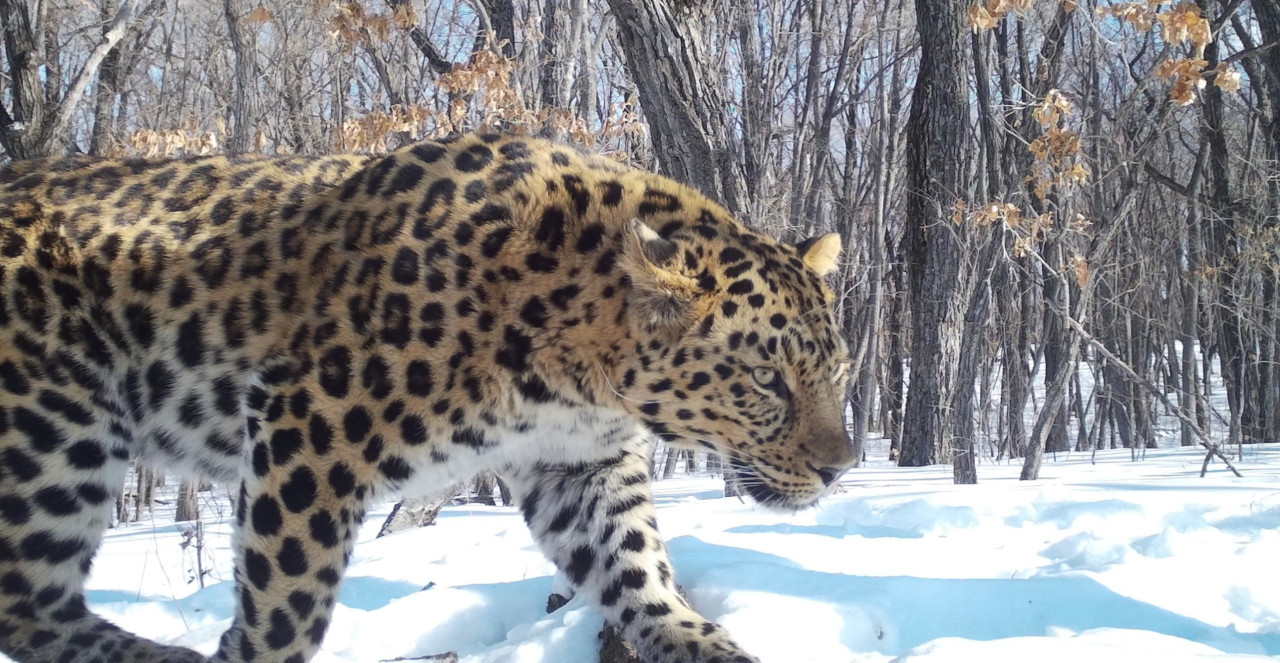
The crisp, cold forests of eastern Russia and northern China once echoed with the silent, graceful footsteps of a true phantom the Amur leopard. Today, that echo has become a desperate whisper. For years, conservationists have sounded the alarm with a staggering, heartbreaking statistic: only approximately 10 Amur leopards remain in the wild. While recent census data suggests that number has thankfully climbed to over 100 due to intense conservation efforts, the historical low point of “10 individuals” serves as a terrifying warning of how close a magnificent species can dance with extinction. This article explores the dramatic journey of the Amur leopard, the reasons behind its near-annihilation, the heroic efforts to save it, and what the future holds for the world’s rarest big cat.
Introduction: The Phantom of the Snowy Forest
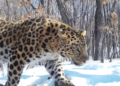
The Amur leopard (Panthera pardus orientalis) is not just another leopard subspecies. It is a creature of extreme endurance, uniquely adapted to the harsh, snowy winters of the temperate forests of Southeast Russia and Northeast China. Unlike its African cousins that bask in the savanna sun, the Amur leopard sports a thick, pale cream coat with widely spaced, dark rosettes a natural camouflage against the frosted birch trees. Its fur grows up to 7 centimeters long in winter, a necessary shield against temperatures that plummet to -30 degrees Celsius (-22 degrees Fahrenheit).
To understand the gravity of the phrase “Only 10 remain,” one must appreciate what was lost. Historically, the Amur leopard roamed across the Korean Peninsula, Northeastern China, and the Russian Far East. But by the 1990s and early 2000s, surveys confirmed a population so low that genetic collapse seemed inevitable. The number “10” was not a rumor; it was a confirmed count from the 2007-2008 winter monitoring survey conducted by Russian biologists. Ten living ghosts, stalking a territory the size of a small city. This article rewinds to that critical moment, explains the causes, and updates you on the current status of this extraordinary feline.
A. The Historical Plunge: From Abundance to Abyss
How does a top predator, an animal with no natural enemies, fall to single digits? The answer is not one cause, but a perfect storm of human activities. To understand the path to 10 leopards, we must examine the timeline of destruction.
A. Habitat Loss and Fragmentation
The primary driver of the Amur leopard’s decline is the loss of its home. Between 1970 and 2000, vast swaths of temperate forest were cleared for agriculture, logging, and urban expansion. As humans built villages, roads, and farms, the leopard’s territory was sliced into isolated pockets. A single male Amur leopard requires a home range of up to 500 square kilometers. When roads cut through this range, the leopards cannot safely cross to find mates or new hunting grounds. This fragmentation led to isolated, inbred populations.
B. Poaching and Illegal Wildlife Trade
Nothing drives a predator to extinction faster than a high price on its pelt. Amur leopards have one of the most beautiful coats in the animal kingdom long, dense, and exquisitely patterned. In the black markets of East Asia, a single Amur leopard skin could sell for up to $1,000 in the 1990s, a fortune for impoverished rural communities. Furthermore, their bones and whiskers are used in traditional Asian medicine, falsely believed to cure ailments from rheumatism to insomnia. While the leopard is not the primary target for most poachers (they often snare them accidentally while hunting deer or wild boar), every single death in a population of 10 is a catastrophic loss.
C. Prey Depletion
A leopard cannot survive without food. The Amur leopard’s natural diet consists of sika deer, roe deer, and wild boar. When local villagers began over-hunting these species for bushmeat or to protect their livestock, the forest became an empty pantry. With fewer deer to hunt, leopards were forced to venture into farms to eat domestic animals, leading to retaliatory killings by farmers. This created a vicious cycle: less prey leads to more conflict, which leads to more dead leopards.
D. Climate Change and Forest Fires
This is a more recent but accelerating threat. The Amur region has seen an increase in forest fires, often set by humans to clear land or poach, but exacerbated by drier, warmer seasons. These fires destroy the dense undergrowth where young deer hide and where leopards stalk. Without cover, the leopard’s ambush hunting fails, and the ecosystem collapses.
B. The 2007 Census: The Day the World Woke Up
Let us pause on that specific year. In 2007, a joint Russian-Chinese-American team of biologists concluded a painstaking 18-month survey. They used snow tracking, camera traps, and genetic analysis from scat samples. The result was published in a report that shook the global conservation community. They estimated:
-
7–9 adult Amur leopards in the wild.
-
2–3 cubs.
-
Total: Approximately 10 mature individuals.
To put this in perspective, the genetic diversity was so low that the population had effectively entered an “extinction vortex.” Inbreeding depression where closely related individuals mate leads to lower fertility, higher cub mortality, and increased susceptibility to disease. A single disease outbreak, a single harsh winter, or a single poaching event could have erased the leopard from the face of the Earth forever.
The situation was dire. More leopards existed in zoos (over 200 in captivity) than in the wild. The Amur leopard was, statistically, the rarest cat on the planet.
C. The Emergency Response: Operation Amur
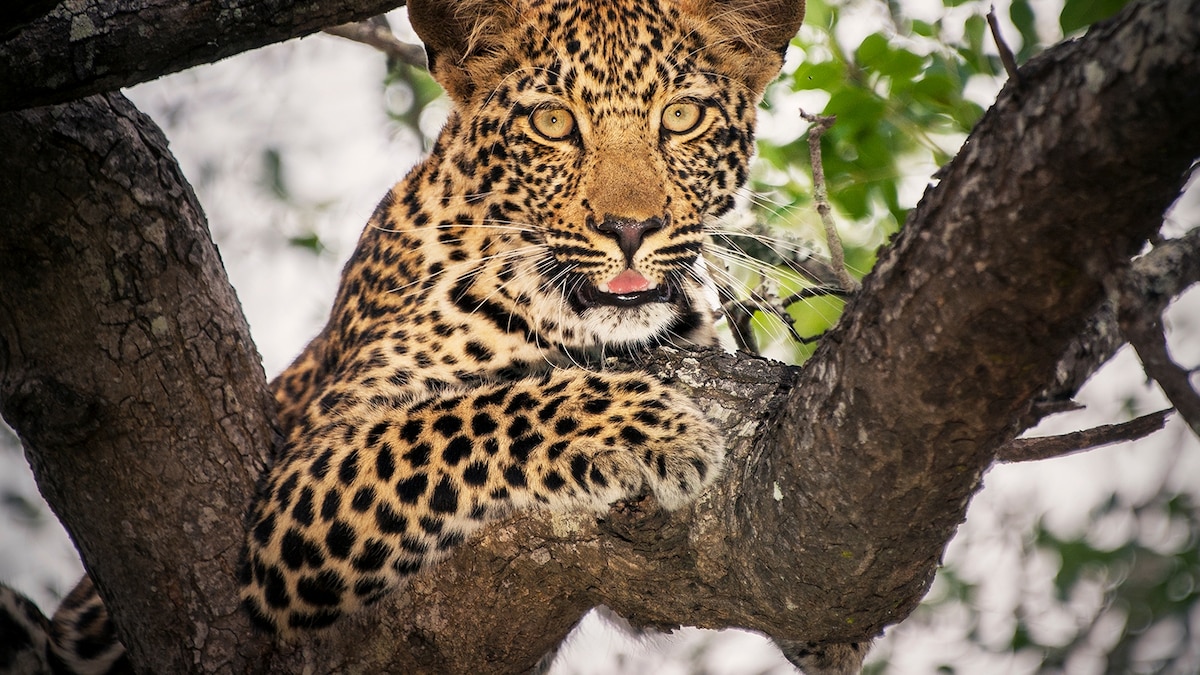
When the number hit 10, words were no longer enough. Governments and NGOs launched a set of aggressive, coordinated actions. The following list outlines the structured, multi-pronged emergency response that prevented the immediate extinction.
A. Establishment of the Land of the Leopard National Park
In 2012, the Russian government did something unprecedented. They consolidated three existing protected areas into one massive, 650,000-acre (262,000-hectare) national park: Land of the Leopard National Park. This park now protects over 60% of the Amur leopard’s remaining habitat. Within the park, logging, mining, and road construction are strictly regulated. A dedicated anti-poaching brigade patrols the park 24/7 using GPS trackers and camera traps.
B. Intensive Anti-Poaching Brigades
Armed rangers were hired from local communities former hunters who knew the land intimately. They received training in wildlife law enforcement, first aid, and surveillance. Between 2010 and 2020, these rangers removed over 5,000 snares and illegal traps from the forest and arrested dozens of poachers. The message was clear: if you kill a leopard, you will go to prison for up to 7 years.
C. Prey Restoration Programs
You cannot save a leopard without saving its dinner. The Land of the Leopard National Park launched a massive captive-breeding and release program for sika deer and roe deer. They established supplemental feeding stations (salt licks and grain) to help prey populations survive the harsh winters. As of 2023, the prey biomass inside the park has increased by over 400%, providing a stable food base for the growing leopard population.
D. Fire Control and Habitat Management
A specialized fire-fighting unit now operates within the park, using satellite monitoring to detect and extinguish fires within hours. They also create firebreaks strips of cleared land that stop wildfires from spreading. This has reduced annual burnt forest area by 70% since 2015.
E. Genetic Management and Captive Breeding
While the wild population was at 10, the captive population in zoos (especially in European and Russian zoos) was carefully managed through a studbook. Scientists created a “genetic rescue” plan. They identified the most genetically diverse captive leopards and planned future reintroductions. However, as the wild population has grown, officials have prioritized keeping wild leopards wild rather than releasing zoo-born cats (which often lack survival skills).
D. The Remarkable Comeback: From 10 to 120+
So, what is the status today? Let us abandon the past tense. As of the most recent 2022-2023 winter survey, the picture has transformed dramatically.
-
Estimated wild population: Over 120 adult Amur leopards.
-
Distribution: Approximately 110 in Russia (within Land of the Leopard National Park) and 10-12 in China (in the Hunchun Nature Reserve).
-
Cub survival rate: Increased from 10% to nearly 60% due to reduced poaching and more prey.
This is a tenfold increase in just 15 years. It is one of the most successful big cat conservation stories in history. Camera traps that once captured only empty snow now regularly photograph mothers with two or three healthy cubs. The leopards are even expanding their range, crossing the frozen Amur River into China naturally.
Why did this recovery happen? Because the actions in Section C directly addressed the causes in Section B. Remove poaching, protect land, restore prey, and nature will heal if given a chance.
E. What Threats Remain? (The Work Is Not Done)
Despite the amazing recovery, the Amur leopard is still classified as Critically Endangered on the IUCN Red List. A population of 120 is vastly better than 10, but it is still fragile. The following threats require continued vigilance.
A. Genetic Bottleneck
Because the population was once so small, all 120 leopards alive today are descended from a handful of ancestors. This means they share dangerously similar genes. A single new virus (like canine distemper, which has killed Amur tigers) could wipe out 30-40% of the population overnight. Scientists are currently exploring “genetic augmentation” from captive leopards, but this is risky.
B. Road Development
Russia and China are planning new highways and railroads through the region for economic development. Roads kill leopards directly (vehicle collisions) and indirectly by fragmenting territories. Conservationists are pushing for wildlife overpasses and underpasses green bridges that allow leopards to cross safely.
C. Conflict with Livestock Owners
As the leopard population grows, encounters with humans will increase. A few leopards have begun killing goats and sheep in villages near the park border. While a compensation program exists (farmers are paid 100% of the animal’s value if killed by a leopard), many farmers still secretly poison or shoot problem predators.
D. Climate Change Uncertainty
The Amur region is predicted to become warmer and wetter. This could shift the forest to a different ecosystem, possibly reducing the prey base. It could also increase tick-borne diseases that affect both leopards and deer.
F. How You Can Help: A Structured Guide
You do not need to live in Russia or China to save the Amur leopard. Your actions as a global citizen have direct impact. Here is an ordered list of effective strategies, from simplest to most impactful.
A. Donate to Verified Organizations. The two most effective groups are the Amur Leopard and Tiger Alliance (ALTA) and the World Wildlife Fund (WWF) – Amur Branch. Even $10 pays for one day of anti-poaching patrol fuel.
B. Avoid Products That Kill Forests. Check for FSC-certified wood and paper. Much of the logging in the Amur region is illegal. By demanding sustainable timber, you reduce habitat destruction.
C. Report Illegal Wildlife Trade. Never buy leopard skin, bone, or whisker products. If you see them for sale online or in markets abroad, report to wildlife crime networks like the Wildlife Justice Commission.
D. Support Ecotourism Responsibly. A few guided tours now visit the Land of the Leopard National Park. Tourist fees directly fund ranger salaries. However, ensure the operator is registered with the park; avoid unlicensed tours that disturb the animals.
E. Spread Accurate Information. Share this article. Too many people still believe the Amur leopard is already extinct. Awareness drives donations and political pressure. Use social media to celebrate the recovery, but also highlight the lingering threats.
G. The Future: Can the Amur Leopard Thrive?
The story of the Amur leopard is a rare beacon of hope in a century of biodiversity loss. From the abyss of “only 10 remain,” humanity pulled back. We built a national park. We hired rangers. We listened to science. Today, the population doubles roughly every eight years.
However, the ultimate goal is not just survival but full recovery. A viable population requires at least 500 mature individuals with stable genetic diversity. That means we need to protect more corridors safe pathways connecting the Russian population to potential habitats in North Korea and China. It means resolving the human-leopard conflict permanently, perhaps through livestock insurance pools and better animal husbandry.
The next ten years are critical. If the current growth rate continues, by 2035 we could see 300-400 Amur leopards in the wild. If we fail if budgets are cut, if poaching resumes, if a forest fire hits a nursery den we could slip back to 10. The difference between extinction and recovery is not nature’s cruelty; it is human choice.
Conclusion: A Second Chance
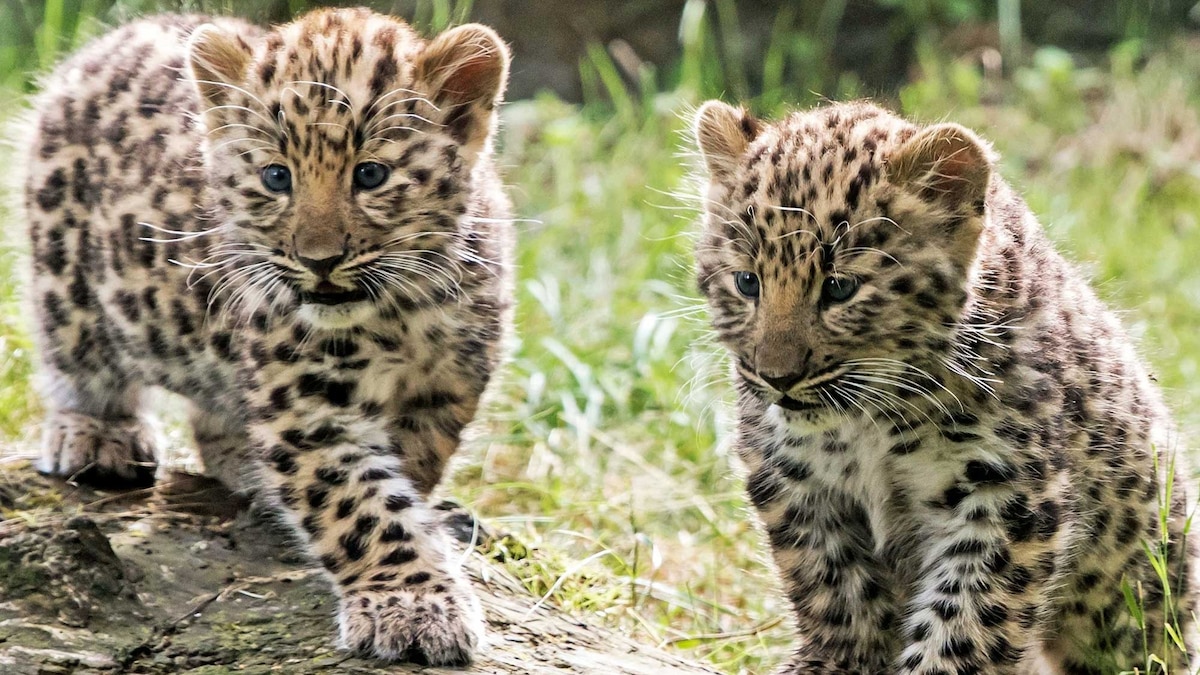
The phrase “Only 10 Amur Leopards Remain” is a scar on our collective conscience. It reminds us of a time when we nearly lost the phantom of the snow. But today, that phrase is transitioning into a historical footnote rather than a present headline. Because of dedicated scientists, brave rangers, and global supporters, the Amur leopard is clawing its way back.
Every time a camera trap clicks to reveal a new cub, every time a snare is removed from a tree, every time a forest fire is extinguished that is a victory. The Amur leopard teaches us a profound lesson: extinction is not inevitable. It is a choice. And now, we are choosing life. Share this story. Support the protectors. And remember that even the rarest cat, given half a chance, will fight to survive.