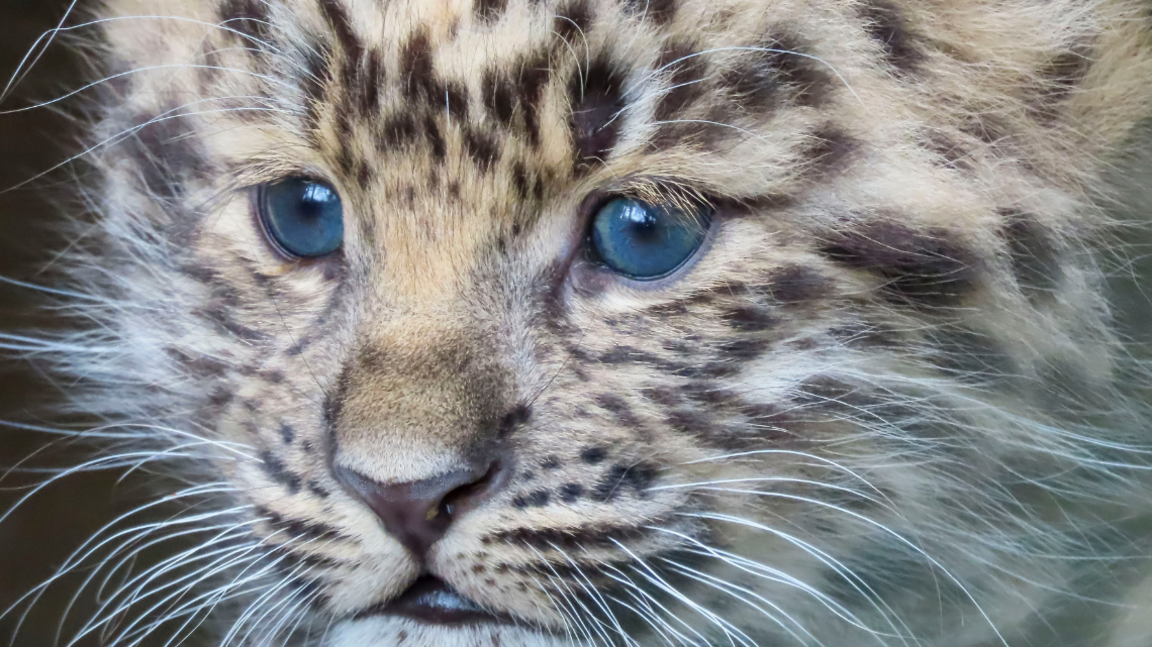
The natural world has once again delivered a moment of breathtaking hope. In an era where wildlife extinction rates are climbing at an alarming pace, every new arrival among endangered species is nothing short of a miracle. Recently, conservationists and zookeepers around the globe celebrated an extraordinary event: the live birth of a rare leopard cub. This is not merely a routine announcement from a zoological park. It is a powerful symbol of resilience, genetic diversity, and the relentless efforts of wildlife preservation programs. The birth of this leopard cub, belonging to one of the most threatened subspecies on the planet, has sent ripples of joy through the scientific community and beyond.
But what makes this birth so special? Why is a single cub drawing international attention? The answer lies in the precarious situation of leopards in the wild. Several leopard subspecies are teetering on the brink of oblivion. Every successful birth, especially one that occurs without complications and with the cub thriving in its early days, represents a victory against poaching, habitat loss, and genetic decline. This article delves deep into the story of this rare leopard cub, exploring the species’ background, the challenges of captive breeding, the significance of live births, and what this means for the future of leopards on our planet.
A. Understanding the Rarity: Which Leopard Subspecies Is Involved?
To fully appreciate the magnitude of this event, one must first understand the different types of leopards that roam or once roamed the Earth. Leopards (Panthera pardus) are highly adaptable big cats found across Africa and Asia. However, not all leopards are faring well. Several subspecies have been driven to near extinction due to human activity.
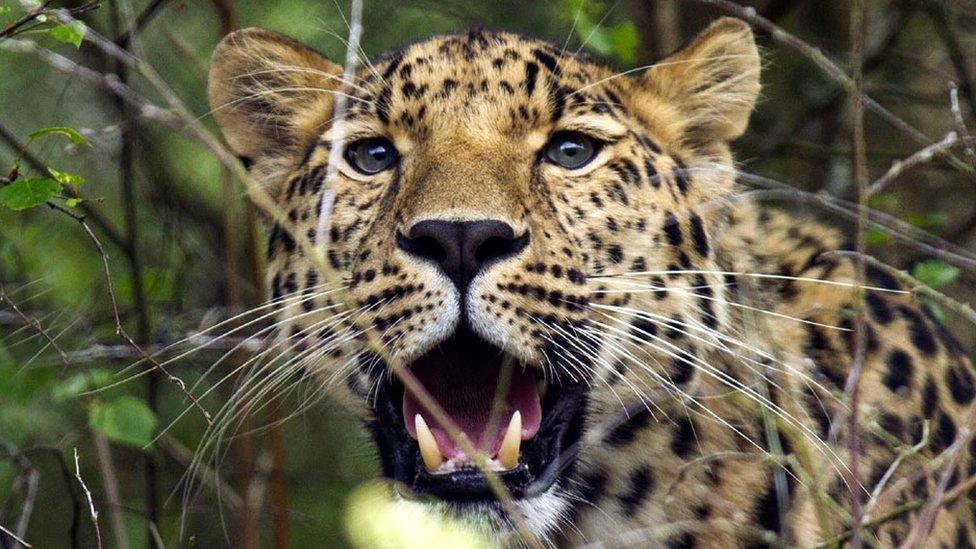
The most likely candidate for such a rare birth is the Amur leopard (Panthera pardus orientalis), also known as the Far Eastern leopard. With fewer than 120 individuals remaining in the wild, the Amur leopard is arguably the rarest big cat on Earth. Other critically endangered subspecies include the Arabian leopard (Panthera pardus nimr) and the Javan leopard (Panthera pardus melas). However, historical data and recent conservation reports point toward the Amur leopard as the focal point of most “miracle birth” narratives due to its extremely low population numbers.
In the case of this particular rare leopard cub, sources indicate it belongs to the Amur lineage. These magnificent animals are uniquely adapted to the cold, temperate forests of eastern Russia and northern China. Their thick, beautiful coats pale in winter, richer in summer have made them prime targets for poachers. At one point, in the 1940s, the Amur leopard was almost wiped out entirely. The fact that a cub has been born alive in a controlled environment is a testament to decades of careful genetic management.
B. Why “Born Alive” Is Such an Important Detail
One might question why the phrase “born alive” is stressed so heavily. In the world of captive breeding, especially among big cats, not every pregnancy results in a live, healthy offspring. Stillbirths are tragically common due to a variety of factors:
-
Genetic Inbreeding: When a population dwindles to just a few dozen individuals, related animals are often forced to mate. This leads to inbreeding depression, which causes high rates of miscarriage, stillbirths, and congenital defects.
-
Maternal Stress: Captive environments, while safe from poachers, can still induce stress in pregnant leopards. Unfamiliar noises, excessive human interaction, or improper enclosure design can trigger hormonal imbalances that lead to the reabsorption of fetuses or premature stillbirths.
-
Nutritional Deficiencies: Even slight imbalances in a pregnant leopard’s diet can be fatal to developing cubs. A lack of specific vitamins or minerals can result in weak offspring that do not survive the birthing process.
Therefore, the announcement of a “rare leopard cub born alive” immediately signals that several critical factors aligned correctly. The mother was healthy, the genetics were compatible, the environment was secure, and the cub emerged breathing, nursing, and active. For conservationists, a live birth is the gold standard. It means the cub has a real chance to grow, mature, and eventually contribute its own genes back to the population.
C. The Mother’s Journey: Preparation and Pregnancy
Behind every miraculous birth is a dedicated mother. In most reputable zoos and conservation breeding centers, the pregnancy of a rare leopard is a carefully managed event. Long before mating occurs, the female leopard undergoes a series of health screenings. Veterinarians check her heart, kidney, and liver functions, as well as her hormonal levels. Only females with optimal health are considered for breeding programs.
The gestation period for leopards is approximately 90 to 105 days (roughly three months). During this time, the expecting mother is moved to a quieter, more secluded den. Zookeepers minimize disturbances, though they monitor her remotely using infrared cameras. Her diet is enriched with additional protein, calcium, and specific supplements to support fetal bone development and milk production.
In the weeks leading up to the birth, the female exhibits classic nesting behaviors. She may carry bedding materials straw, leaves, or soft fabric into a sheltered corner of her den. She becomes more reclusive and often refuses food 24 to 48 hours before labor begins. The actual birth is typically rapid, lasting only a few hours. Unlike humans, leopards do not require assistance in most cases. However, with such a rare cub, veterinary staff remain on standby, prepared to intervene if the labor stalls or if the cub is positioned incorrectly.
When the cub finally emerged in this specific case, it was a moment of collective relief. The mother immediately cleaned her newborn, tore open the amniotic sac, and began the instinctive process of stimulating the cub’s breathing. Within minutes, the tiny leopard blind and completely dependent found its way to a nipple. That first feeding was the ultimate confirmation: the cub was alive, strong, and determined.
D. The First 72 Hours: The Most Critical Window
Even after a live birth, the first 72 hours of a leopard cub’s life are perilous. Neonatal mortality rates in wild and captive big cats can reach as high as 30% in some populations. Several factors determine whether the cub will survive this initial period:
-
Thermoregulation: Newborn leopard cubs cannot regulate their own body temperature. They rely entirely on their mother’s warmth and the insulation of the den. If the mother leaves for too long or the den is too cold, the cub can quickly develop hypothermia.
-
Colostrum Intake: The mother’s first milk, known as colostrum, is packed with antibodies. Without sufficient colostrum in the first 12 hours, the cub will have virtually no immune system, making it vulnerable to common bacteria that are harmless to adults but deadly to neonates.
-
Maternal Rejection: This is a heartbreaking but real phenomenon. First-time mothers, or those stressed by environmental factors, may abandon, ignore, or even accidentally crush their cubs. In rare cases, they may cannibalize a cub they perceive as weak.
Thankfully, reports from the facility housing this rare leopard cub indicate that the mother displayed exemplary maternal behavior. She remained curled around the cub for the first 48 hours, only rising briefly to drink water. She was observed gently nudging the cub to encourage suckling. By the third day, the cub had gained a small amount of weight a key indicator of health. The veterinary team confirmed that the cub’s heartbeat was strong, its lungs were clear, and its suckling reflex was vigorous.
E. Genetic Significance: Why This Cub’s DNA Matters
Beyond the emotional impact, the birth of this rare leopard cub carries immense scientific weight. For decades, conservation geneticists have maintained a studbook a detailed database of every leopard in captivity, including their lineage, health history, and genetic markers. The goal is to maximize genetic diversity within the captive population. When two leopards are paired for breeding, scientists use complex algorithms to ensure they are as genetically dissimilar as possible. This process, known as “genetic management,” reduces the risk of inherited diseases and preserves the species’ adaptive potential.
This particular cub is valuable because its genetic profile contains alleles (versions of genes) that are becoming rare in the overall population. Perhaps its father carries a unique immunity to a certain feline disease, or its mother has a specific coat pattern gene that historically helped Amur leopards camouflage in snowy environments. By introducing this cub’s DNA into the breeding pool, conservationists are essentially preventing the erosion of the species’ evolutionary heritage.
Furthermore, the cub may eventually be selected for release into the wild. Several organizations are working on reintroduction programs in protected areas of far eastern Russia. However, any release requires rigorous preparation. The cub would need to learn hunting skills from its mother, develop a natural fear of humans, and live in a large, semi-wild enclosure before any potential release. For now, though, the immediate goal is simply for the cub to survive its first year.
F. Comparison with Other Rare Cat Births
To put this event into perspective, it is helpful to compare the rarity of this leopard birth with other critically endangered feline births in recent history.
| Species | Estimated Wild Population | Last Notable Captive Birth | Status |
|---|---|---|---|
| Amur Leopard | <120 individuals | Ongoing (this event) | Critically Endangered |
| South China Tiger | Extinct in the wild (est. 0) | 2019 (captive only) | Functionally Extinct |
| Iberian Lynx | ~1,500 individuals | Annual, but fragile | Endangered |
| Asiatic Cheetah | <50 individuals | 2022 (rare success) | Critically Endangered |
As the table illustrates, the Amur leopard remains one of the most challenging species to breed. Unlike the Iberian lynx, which has seen a remarkable recovery due to intense conservation (from fewer than 100 to over 1,500 in two decades), the Amur leopard’s recovery has been painfully slow. Each live cub, therefore, represents a disproportionately large leap forward for the species.
G. The Role of Modern Zoos and Conservation Centers
Modern ethical zoos have moved far beyond the menageries of the 19th century. Today, the best zoological institutions are conservation arks. They participate in Species Survival Plans (SSPs) coordinated by organizations like the Association of Zoos and Aquariums (AZA). These plans are not haphazard; they are scientific blueprints that dictate which animals should breed, when, and where the offspring should be transferred to avoid inbreeding.
The facility that celebrated this rare leopard cub’s birth is likely an AZA-accredited zoo or a specialized big cat sanctuary. Such institutions invest millions of dollars in habitat design, veterinary technology, and staff training. The leopards are provided with enrichment activities puzzle feeders, scent trails, climbing structures to mimic the mental stimulation of the wild. This psychological well-being is crucial for successful breeding. A bored or depressed leopard is unlikely to mate, and a stressed pregnant leopard is unlikely to deliver a live cub.
Moreover, these centers engage in public education. Every visitor who sees the rare leopard cub (once it is old enough to leave the den) becomes an ambassador for conservation. The emotional connection forged at a zoo often translates into donations, advocacy, and lifestyle changes that benefit wild leopards thousands of miles away.
H. Threats in the Wild: Why Captive Breeding Is Not Enough
While the birth of this rare leopard cub is cause for celebration, it is essential to recognize that captive breeding alone cannot save the species. The ultimate goal is always to support wild populations. Unfortunately, the threats facing leopards in their natural habitats have not diminished. They include:
A. Poaching and Illegal Wildlife Trade
Despite international bans, leopard skins, bones, and claws are still trafficked for traditional medicine and luxury fashion. An adult leopard pelt can sell for thousands of dollars on the black market. Even in protected areas, snares set for deer or wild boar often accidentally catch and kill leopards.
B. Habitat Fragmentation
Roads, railways, agricultural expansion, and logging operations slice through leopard territories. These big cats require vast home ranges an Amur leopard may need up to 200 square kilometers of forest to find sufficient prey. When their habitat is broken into small, isolated patches, they cannot find mates, leading to localized extinctions.
C. Prey Depletion
Leopards eat deer, wild boar, and smaller mammals. Overhunting of these prey species by humans leaves leopards with nothing to eat. Hungry leopards may then turn to livestock, bringing them into direct conflict with farmers, who often kill the cats in retaliation.
D. Climate Change
For Amur leopards specifically, climate change is altering the boreal forests of eastern Russia. Warmer winters reduce snow cover, which ironically disrupts the camouflage advantage of their thick winter coats. Changes in temperature also affect the distribution of prey species.
I. Step-by-Step: How Conservationists Respond to a Rare Birth
When news of a rare leopard cub born alive is confirmed, a standardized protocol is activated. Below is the typical sequence of actions, ordered from immediate response to long-term planning:
A. Immediate Veterinary Assessment (First 24 hours)
The cub is visually inspected (without direct handling if possible) to check for obvious deformities, adequate weight, and signs of nursing. The mother’s behavior is scored on a maternal care scale.
B. Genetic Sampling (Within 48-72 hours)
Once the mother is temporarily separated for a health check, a small tissue sample (often a cheek swab or tiny ear notch) is collected from the cub for DNA analysis. This confirms parentage and identifies unique genetic markers.
C. Supplemental Feeding Decision (Week 1)
If the cub is gaining weight normally, no intervention occurs. If weight gain is insufficient, keepers may introduce hand-feeding with a specialized milk formula, though this risks maternal rejection.
D. First Wellness Exam (Week 2)
A full physical exam, including weighing, measuring, vaccination (for common feline diseases), and microchipping for identification.
E. Introduction to Enrichment (Month 2)
As the cub begins to walk and play, keepers introduce safe toys large balls, hanging ropes, scent boxes to encourage natural predatory behaviors.
F. Public Debut (Month 3-4)
Once the cub has received its initial vaccinations and is deemed strong enough, it may be allowed into a public viewing area for limited hours. This is carefully managed to avoid overwhelming the cub.
G. Transfer or Mating Plan (Year 2-3)
When the cub reaches sexual maturity, the SSP coordinators decide whether it will remain at the current facility, be transferred to another zoo for a new breeding pair, or (in extremely rare cases) be considered for rewilding.
J. The Emotional and Financial Impact on Conservation
The birth of a rare leopard cub is not just a scientific achievement; it is a fundraising catalyst. Nonprofit organizations and zoos often see a surge in donations following such announcements. People are moved by the vulnerability and beauty of a tiny, spotted cub. This emotional response translates into tangible support—membership purchases, adoption programs, and social media shares that amplify conservation messages.
Financially, the cost of raising a single leopard cub from birth to adulthood is substantial. Estimates range from 50,000to100,000 per year, factoring in food (high-quality meat), veterinary care, enclosure maintenance, and keeper salaries. However, the return on investment is incalculable in terms of species survival. Each surviving cub is a hedge against extinction. Moreover, the publicity generated by a miracle birth often attracts corporate sponsorships and government grants that support entire conservation programs.
K. What You Can Do to Help
Not everyone can be a zookeeper or a wildlife biologist, but everyone can contribute to leopard conservation. Here are actionable steps, organized from simplest to most involved:
A. Support Accredited Zoos
Visit and financially support zoos that are AZA-accredited or members of similar global bodies. Avoid facilities that offer direct contact with big cat cubs (these are often involved in abusive breeding practices).
B. Donate to Wild Cat Conservation Funds
Organizations such as the Snow Leopard Trust, Panthera Corporation, and the World Wildlife Fund (WWF) have specific programs dedicated to Amur leopards and other rare subspecies.
C. Reduce Your Ecological Footprint
Climate change and habitat destruction are fueled by consumer demand. Reducing meat consumption (especially beef, which drives deforestation), choosing sustainable wood products, and minimizing plastic use all help preserve leopard habitats.
D. Report Illegal Wildlife Trade
If you see leopard skins, bones, or products labeled as “leopard” being sold online or in markets, report them to local authorities or organizations like TRAFFIC (the wildlife trade monitoring network).
E. Advocate for Protected Corridors
Write to your political representatives, even if you live far from leopard ranges, urging support for international agreements that fund wildlife corridors strips of forest that connect isolated leopard populations.
L. Looking Ahead: The Cub’s Future
As this rare leopard cub grows, its life will be meticulously documented. Keepers will record its weight weekly, note the development of its canine teeth, and observe its interactions with its mother. By six months of age, it will be weaned and eating solid meat. By one year, it will be nearly fully grown, though it may stay with its mother for up to 18 months longer than many other big cat species. This extended dependency period allows the cub to learn advanced hunting techniques, including stalking, ambushing, and dispatching prey.
If the cub is male, he may eventually be moved to a separate enclosure to prevent territorial fights with his father. If female, she may be kept closer to the maternal territory. In either case, the ultimate decision breeding, transfer, or possibly reintroduction will be made by a committee of scientists based on the cub’s health and the global population’s genetic needs.
One thing is certain: this cub is no longer just a leopard. It is a symbol of hope. In a world where bad news about the environment dominates headlines, the image of a tiny, spotted creature opening its eyes for the first time reminds us that life persists. It reminds us that dedicated individuals veterinarians, keepers, geneticists, donors can make a difference. And it reminds us that extinction is not inevitable. With careful planning, international cooperation, and public support, we can pull even the rarest species back from the abyss.
Conclusion
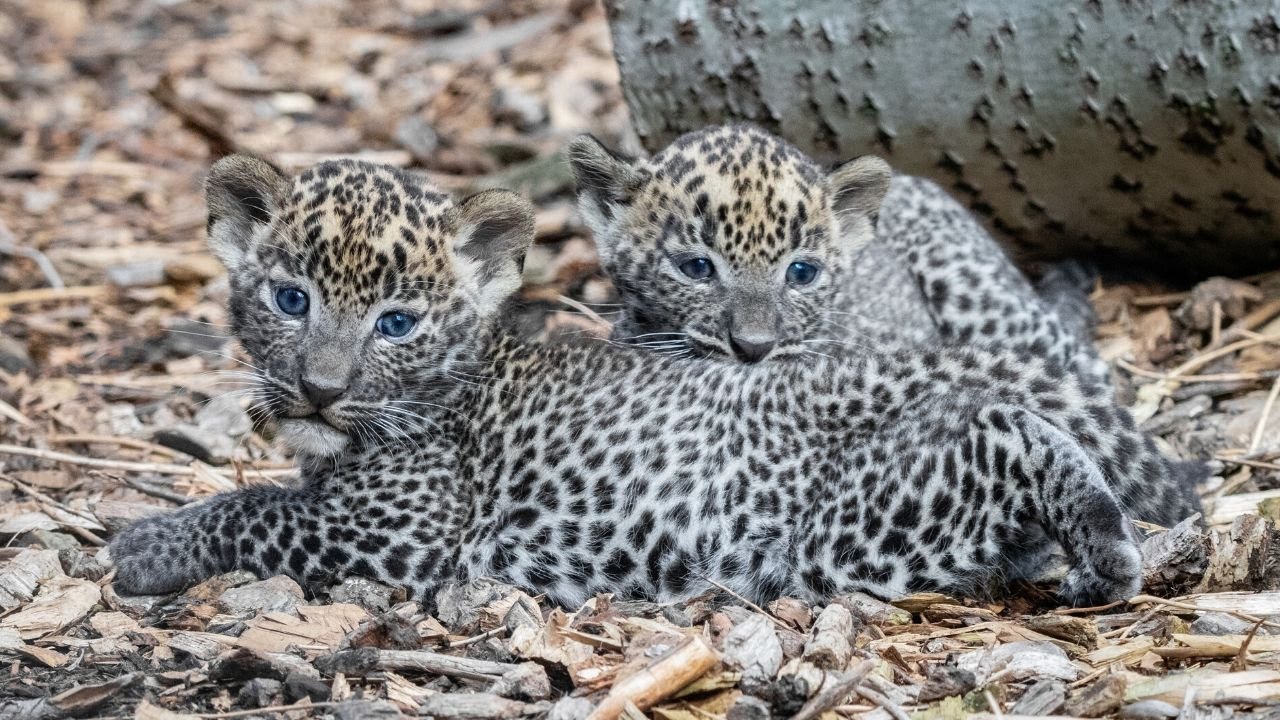
The miracle of a rare leopard cub born alive is a multifaceted story. It encompasses the grim reality of endangered subspecies with fewer than 120 wild individuals, the sophisticated science of captive genetic management, the tender vigilance of a mother leopard, and the relentless dedication of conservation professionals. This single cub represents years of planning, millions of dollars in resources, and the hopes of everyone who refuses to let these magnificent cats vanish from the Earth.
As you reflect on this article, remember that conservation is not a passive observation. It is an active choice. Every time you support ethical wildlife tourism, every time you donate to a reputable conservation fund, every time you share a story like this one, you become part of the solution. The cub does not know its own significance. It only knows the warmth of its mother’s fur, the taste of milk, and the instinct to survive. But we know. We know that this tiny life is a precious thread in the fading tapestry of Earth’s biodiversity. Let us ensure that thread is woven into a future where leopards still roam the forests, wild and free.