
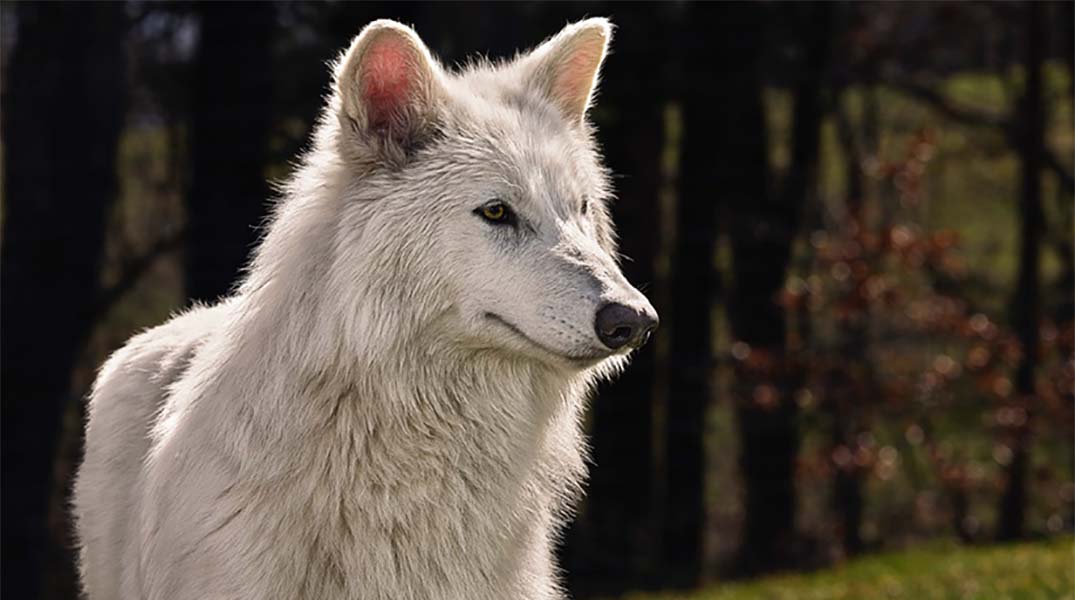
Wolves have long captured human imagination featured in folklore, mythology, and ecological studies. However, not all wolves are created equal in terms of population health. While the gray wolf (Canis lupus) has made notable comebacks in regions like North America and Europe, several lesser-known wolf species and subspecies are hovering on the edge of oblivion. Among them are the Ethiopian wolf (Canis simensis), the red wolf (Canis rufus), and the Mexican gray wolf (Canis lupus baileyi). Each faces unique threats, but all share a common trajectory toward extinction if immediate action is not taken.
The Ethiopian wolf, for instance, is Africa’s most endangered carnivore. With fewer than 500 individuals remaining in the wild, this wolf species clings to survival in the highlands of Ethiopia. The red wolf of the southeastern United States once roamed from Texas to New York, but today less than 30 wild individuals are believed to exist. The Mexican gray wolf, a subspecies of the gray wolf, has been reduced to approximately 200 individuals in the wild despite decades of reintroduction efforts.
Why Should We Care About Wolf Extinction?
Before delving deeper into the threats and solutions, it is essential to understand why the loss of any wolf species matters profoundly.
A. Ecological Balance – Wolves are apex predators. Their presence regulates prey populations such as deer, elk, and rodents. Without wolves, herbivore populations explode, leading to overgrazing, soil erosion, and the collapse of plant communities. This cascade effect, known as a trophic cascade, was famously observed in Yellowstone National Park after wolves were reintroduced in 1995. The return of wolves allowed degraded riverbanks to recover, bird populations to increase, and even the course of rivers to change.
B. Biodiversity Preservation – Each wolf species carries a unique genetic lineage. Once a species goes extinct, millions of years of evolutionary adaptation are erased forever. Genetic diversity within the wolf family also helps maintain resilience against diseases and climate change.
C. Economic Value – Wolves attract ecotourism. In places like Yellowstone, wolf watching generates millions of dollars annually for local communities. The extinction of rare wolf species would eliminate this revenue stream permanently.
D. Scientific and Medical Insights – Wolves have robust immune systems and remarkable stamina. Studying their genetics has helped scientists understand canine hereditary diseases, which in turn benefits domestic dogs and even human medicine in areas like population genetics and infectious disease control.
Detailed Overview of the Most Endangered Wolf Species
To fully appreciate the crisis, we must examine individual rare wolf species on the brink. Below is a structured breakdown using the requested formatting.
A. Ethiopian Wolf (Canis simensis)
The Ethiopian wolf is often mistaken for a jackal due to its reddish coat, slender build, and long legs. However, genetic studies confirm its true identity as a wolf. It is found exclusively in the Afroalpine regions of Ethiopia, at altitudes above 3,000 meters.
Population Status: Approximately 450–500 mature individuals.
Major Threats:
-
Habitat loss due to agricultural expansion and overgrazing by livestock.
-
Rabies and canine distemper transmitted from domestic dogs.
-
Climate change shrinking their high-altitude habitat.
-
Hybridization with domestic dogs, diluting genetic purity.
B. Red Wolf (Canis rufus)
The red wolf is a medium-sized wolf native to the southeastern United States. It has a tawny reddish coloration behind its ears and along its legs. Once declared extinct in the wild in 1980, a captive breeding program allowed reintroduction in eastern North Carolina.
Population Status: Approximately 20–25 wild individuals as of 2024. Around 200 in captive breeding facilities.
Major Threats:
-
Gunshot mortality (often mistaken for coyotes).
-
Hybridization with coyotes, leading to genetic swamping.
-
Vehicle collisions due to fragmented habitat.
-
Lack of federal enforcement of protection laws.
C. Mexican Gray Wolf (Canis lupus baileyi)
The Mexican gray wolf, or “lobo,” is the smallest and most genetically distinct subspecies of the gray wolf in North America. Historically found from central Mexico to west Texas, New Mexico, and Arizona.
Population Status: Approximately 200 individuals in the wild (2024 survey). Another 350 in captive breeding programs.
Major Threats:
-
Illegal killings by ranchers fearing livestock losses.
-
Low genetic diversity causing inbreeding depression.
-
Small population size making them vulnerable to natural disasters.
-
Slow bureaucratic processes for reintroduction approvals.
D. Himalayan Wolf (Canis lupus chanco)
Recognized recently as a distinct wolf lineage, the Himalayan wolf inhabits high-altitude regions of the Tibetan Plateau, Nepal, India, and Bhutan. It has a pale, woolly coat and short snout adapted to cold, oxygen-poor environments.
Population Status: Unknown but estimated at fewer than 2,500 mature individuals, with declining trends.
Major Threats:
-
Retaliatory killings following livestock predation.
-
Habitat degradation due to road construction and mining.
-
Lack of legal protection across most of its range.
-
Low scientific awareness and conservation funding.
Causes of Population Decline in Rare Wolf Species
Understanding why these wolves are disappearing is the first step toward crafting effective solutions. The causes are rarely singular; instead, a dangerous combination of factors accelerates extinction risk.
1. Habitat Fragmentation and Loss
Human expansion into wild areas has chopped wolf territories into small, isolated patches. This fragmentation prevents wolves from finding mates outside their immediate family group, reducing genetic diversity. In Ethiopia, high-altitude grasslands that support the Ethiopian wolf are being converted into barley fields. In the United States, highways and residential developments slice through red wolf and Mexican wolf habitats, leading to vehicle collisions and easier access for poachers.
2. Human-Wildlife Conflict
Farmers and ranchers often view wolves as threats to livestock. Despite compensation programs and non-lethal deterrents (guard dogs, fencing, flashing lights), shootings and poisonings continue. In Mexico, some ranchers have openly defied conservation laws by killing Mexican gray wolves. In India, Himalayan wolves are poisoned after attacking goats and sheep.
3. Disease Epidemics
Small populations cannot withstand disease outbreaks. For Ethiopian wolves, rabies outbreaks have wiped out entire subpopulations in a matter of weeks. Because domestic dogs roam freely in wolf habitats, they serve as disease reservoirs. Vaccination campaigns for wolves exist but are logistically challenging and expensive.
4. Genetic Swamping via Hybridization
When wolf populations drop too low, individuals may mate with closely related species like coyotes or domestic dogs. Over time, pure wolf genes disappear. The red wolf is the most dramatic example: less than 5% of the remaining wild canids in its former range carry pure red wolf genetics. Hybridization, combined with shooting, has pushed the red wolf to functional extinction in the wild twice.
5. Climate Change
Rising temperatures and shifting weather patterns affect wolf habitats disproportionately. Ethiopian wolves live in “sky islands” cool mountain peaks surrounded by warmer lowlands. As temperatures rise, these habitats shrink. For Himalayan wolves, melting permafrost and changing prey migration patterns disrupt their hunting success.
Conservation Efforts Currently Underway
Despite the grim statistics, dedicated biologists, governments, and nonprofits are fighting to save rare wolf species. Below are the primary strategies being implemented.
A. Captive Breeding and Reintroduction
Captive breeding programs have pulled several wolf species back from absolute extinction. The red wolf was saved in the 1980s through a coordinated effort between the U.S. Fish and Wildlife Service and zoos. Mexican gray wolves have been bred in over 50 facilities across the United States and Mexico. However, captive breeding is not a complete solution released wolves often struggle to adapt to the wild, face gunfire, or hybridize with coyotes.
B. Vaccination Campaigns
The Ethiopian Wolf Conservation Programme (EWCP) has pioneered oral rabies vaccination campaigns. Wildlife veterinarians distribute vaccine-laced bait in wolf territories. This approach reduced rabies mortality significantly in several wolf populations. Similar programs are now being considered for red wolves.
C. Corridor Creation and Habitat Protection
Conservationists are pushing for wildlife corridors protected strips of land that connect fragmented wolf habitats. For Mexican wolves, a proposed corridor between Arizona, New Mexico, and northern Mexico would allow genetic exchange. For Ethiopian wolves, protecting the Bale Mountains National Park is critical, but buffer zones are also needed as wolves roam outside park boundaries.
D. Community-Based Conservation
Ranchers and farmers are not the enemy; they are the key to long-term wolf survival. Successful programs in New Mexico have introduced livestock guardian dogs (Great Pyrenees and Anatolian Shepherds) that reduce wolf-livestock conflicts by 80% or more. Compensation funds pay ranchers for verified wolf kills. In Ethiopia, local communities receive revenue from ecotourism that hires former hunters as wildlife guides.
E. Legal Protection and Enforcement
Stronger laws and better enforcement are essential. The Endangered Species Act in the United States protects red wolves and Mexican gray wolves, but political pressure has weakened enforcement. In 2020, the Trump administration delisted gray wolves, leading to hundreds of wolves being killed in trophy hunts before a court restored protections. International cooperation under CITES (Convention on International Trade in Endangered Species) helps but is only as strong as national governments allow.
Challenges That Hinder Wolf Recovery
Saving rare wolf species is not simply a matter of writing checks or passing laws. Multiple obstacles complicate every conservation effort.
A. Political Opposition
In rural areas where wolves live, politicians often side with agricultural interests. Western U.S. states have sued the federal government to remove wolf protections. Mexican ranchers have lobbied successfully to limit reintroduction zones. In Ethiopia, the government prioritizes agriculture over wildlife habitat.
B. Funding Shortages
Conservation is chronically underfunded. The annual budget for Ethiopian wolf conservation is less than $500,000 a fraction of what is needed for comprehensive vaccination, monitoring, and community programs. Red wolf recovery receives fewer resources than many less endangered species because of political controversy.
C. Scientific Uncertainty
Biologists still lack basic data on some rare wolf species. For the Himalayan wolf, no range-wide population survey exists. Without accurate numbers and distribution maps, effective conservation planning is impossible.
D. Public Misperception
Many people believe wolves are dangerous to humans. In reality, wolf attacks on people are extraordinarily rare—there have been only two confirmed fatal attacks by healthy wild wolves in North America in the last century. Yet Hollywood movies and fairy tales perpetuate fear, making it easier for politicians to approve wolf culls.
What Happens If These Wolves Go Extinct?
The extinction of any wolf species would trigger cascading ecological and cultural losses.
A. Ecosystem Collapse – On the Ethiopian highlands, wolves control rodent populations. Without wolves, rodent outbreaks could devastate crops and increase diseases like leptospirosis and plague. In the American Southwest, Mexican wolves regulate javelina and deer, preventing overbrowsing of endangered plants.
B. Loss of Indigenous Cultural Heritage – Many Native American tribes revere wolves as clan animals and spiritual guides. The extinction of the Mexican gray wolf would sever a living connection to ancestral lands and traditions.
C. Failed Conservation Precedent – If we allow a wolf species to go extinct in the modern era, it signals that conservation efforts are insufficient for other large carnivores. Tigers, lions, and wild dogs would face similar apathy.
D. Economic Losses – Ecotourism generated by rare wolves provides sustainable income for poor rural communities. The Ethiopian wolf alone supports hundreds of jobs in the Bale Mountains through guiding, lodging, and transportation services.
How You Can Help Prevent Wolf Extinction
Individual action may seem insignificant against global crises, but collective effort makes a measurable difference.
A. Support Conservation Organizations – Donate to or volunteer with groups like the Ethiopian Wolf Conservation Programme (EWCP), Red Wolf Coalition, and Mexican Wolf Interagency Field Team. Even small monthly contributions fund radio collars, vaccine bait, and education programs.
B. Advocate for Policy Change – Contact your elected representatives and urge them to support endangered species legislation. Sign petitions calling for wildlife corridors and against wolf delisting. In the European Union and United States, public comments on federal rulemaking have overturned anti-wolf policies.
C. Practice Responsible Pet Ownership – Keep dogs vaccinated, spayed/neutered, and confined to prevent disease transmission and hybridization with wild wolves. In areas with rare wolves, never allow dogs to roam unsupervised.
D. Reduce Human-Wildlife Conflict – If you are a livestock owner, use non-lethal deterrents: fladry (rope with flags), motion-activated lights, and guard dogs. If you are a tourist, never feed wildlife and stay on designated trails to avoid habituating wolves to human presence.
E. Spread Accurate Information – Share this article. Correct myths about wolves being dangerous or worthless. Use social media to highlight conservation successes and ongoing threats. Education is the most cost-effective long-term strategy.
Success Stories to Inspire Hope
Despite the overwhelming challenges, there are genuine reasons for optimism.
The Gray Wolf Comeback – In 1974, gray wolves in the lower 48 states numbered only a few hundred in remote Minnesota. Today, thanks to the Endangered Species Act, there are over 6,000 gray wolves in the western Great Lakes, northern Rockies, and Pacific Northwest. This proves that legal protection and public support can recover wolf populations.
The Mexican Wolf Turnaround – In 1998, only 0 wild Mexican wolves existed after a poisoning campaign. As of 2024, approximately 200 wild lobos roam Arizona and New Mexico. While still dangerously low, the population has grown nearly every year thanks to cross-border cooperation and innovative management.
The Ethiopian Wolf Vaccine Success – Between 2011 and 2020, oral rabies vaccination reduced Ethiopian wolf mortality from disease by over 70% in treated areas. This program is now expanding, and new funding from the European Union promises to protect additional subpopulations.
The Red Wolf Captive Safety Net – Although wild red wolves are critically endangered, the captive population of 200+ individuals is genetically healthy and well-managed. Zoos across the United States maintain detailed studbooks and breeding recommendations. If the wild population collapses, these captive wolves can serve as a reservoir for future reintroductions.
Conclusion: A Final Howl Before Silence?
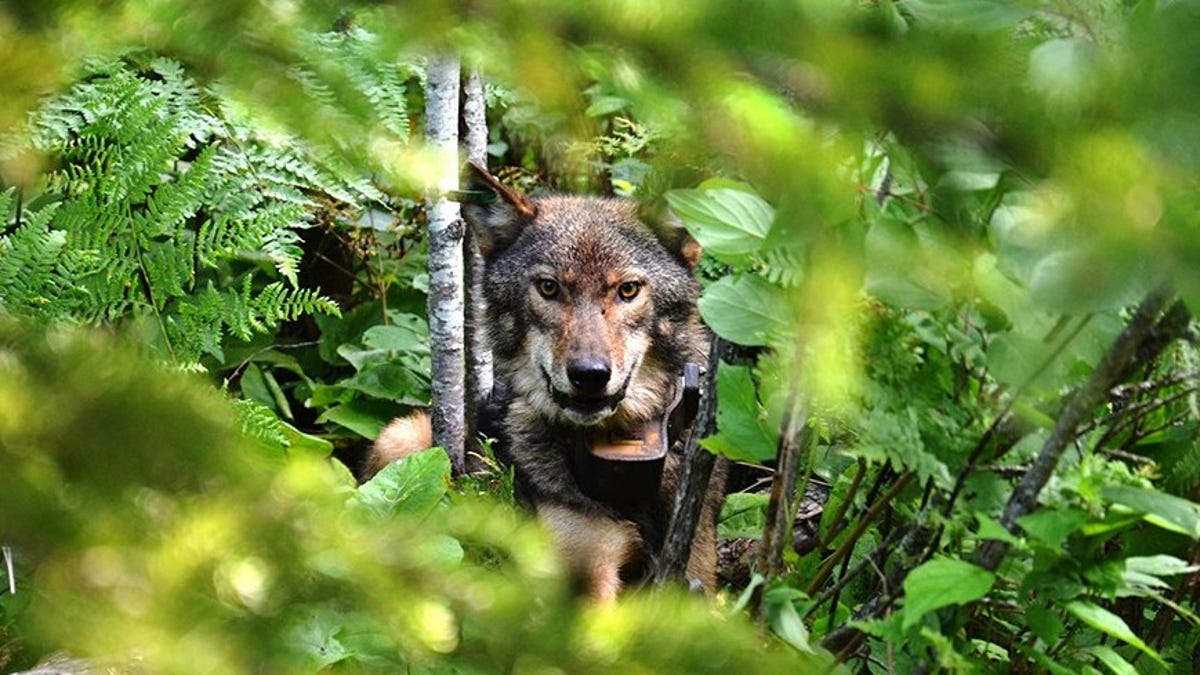
The rare wolf species teetering on the edge of extinction represent more than just biological losses. They are indicators of environmental health, symbols of wild places, and testaments to humanity’s willingness to coexist with nature. The Ethiopian wolf, red wolf, Mexican gray wolf, and Himalayan wolf each face a distinct set of threats, but the underlying solution is the same: increased funding, stronger legal protections, community engagement, and public education.
Extinction is not inevitable. With concerted action over the next decade, we can stabilize and even grow these populations. However, the window of opportunity is closing rapidly. For the red wolf, only two dozen wild individuals remain. A single disease outbreak or poaching spree could erase them forever.
The question is not whether these species deserve to survive they do. The question is whether humans will choose to act as responsible stewards or indifferent witnesses to the sixth mass extinction. The answer lies in our collective hands, wallets, and votes. Let the howl of the rare wolf not become a memory, but a promise of recovery.