
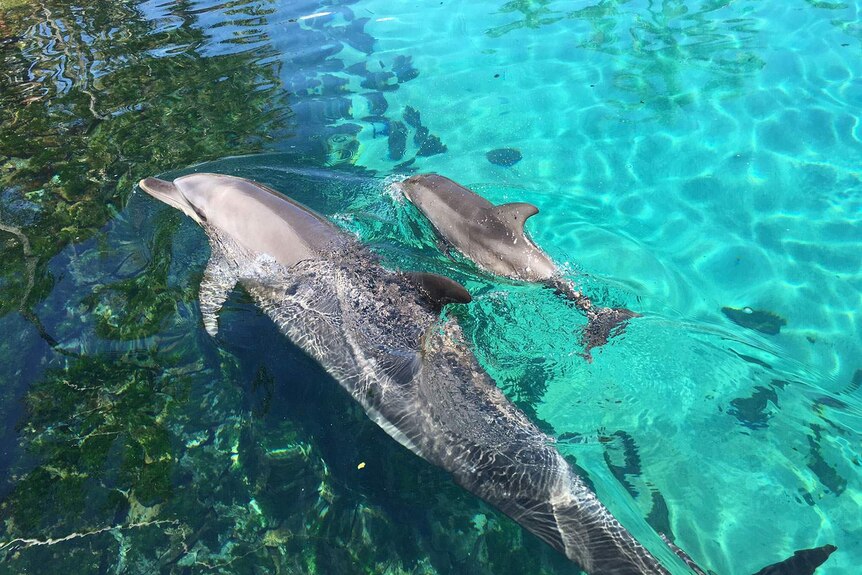
In a world where bad news about wildlife often dominates the headlines, a remarkable event has brought a wave of optimism to marine biologists and conservationists alike. For the first time in several years, an Irrawaddy dolphin calf has been successfully born in a controlled, captive environment. This birth is not merely a charming anecdote about a new baby animal at a zoo or aquarium; it represents a critical milestone in the ongoing struggle to understand and protect one of the most unusual and threatened dolphin species on the planet.
The Irrawaddy dolphin (Orcaella brevirostris) is a creature of paradoxes. It looks like a beluga whale but lives in warm, tropical rivers and coastal estuaries. It has no pronounced beak like a common bottlenose dolphin, and its charismatic, rounded head has earned it nicknames ranging from “smiling dolphin” to “snubfin dolphin.” Unfortunately, this unique appearance has not shielded it from the relentless pressures of habitat destruction, accidental entanglement in fishing gear (bycatch), and pollution. The International Union for Conservation of Nature (IUCN) lists the Irrawaddy dolphin as Endangered, with several of its subpopulations particularly those living in freshwater river systems like the Mekong, Mahakam, and Ayeyarwady classified as Critically Endangered.
The birth of a healthy calf in captivity gives scientists a once-in-a-lifetime opportunity to study the species’ reproductive biology, neonatal development, and maternal behavior in ways that are simply impossible in the wild. This article delves deep into the significance of this event, the specifics of the birth, the challenges of captive breeding for this species, and what it means for the future of Irrawaddy dolphin conservation.
The Star of the Story: Meet the New Calf and Its Mother
The event took place at a major accredited marine mammal facility—details of which are being carefully managed to prevent undue stress on the animals and unauthorized access by the public. The mother, a 12-year-old female named “Khamin” (a name derived from a type of Thai tree, reflecting the species’ Southeast Asian stronghold), was herself born in captivity. She has been under the care of experienced veterinarians and trainers for her entire life. The father, a 15-year-old male named “Phet,” was transferred from a partner facility three years ago as part of a carefully managed Species Survival Plan (SSP).
Khamin’s pregnancy was not a surprise. For months, keepers had observed subtle changes in her behavior: increased appetite, a noticeable change in her preferred swimming patterns (she began spending more time in the calmer, shallower end of the habitat), and hormonal shifts confirmed through routine blood tests. Ultrasound examinations, performed using specialized underwater equipment, revealed a developing fetus with a strong heartbeat.
The birth itself occurred in the early hours of the morning, a typical time for many dolphin species to give birth, as the quiet and darkness provide a sense of security. The entire process, from the first appearance of the calf’s tail (dolphins are born tail-first to prevent drowning) to full delivery, lasted approximately 90 minutes. The newborn, a male calf weighing approximately 10 kilograms (22 pounds) and measuring 75 centimeters (nearly 2.5 feet) long, was immediately guided to the surface by Khamin for his first breath. Within the first hour, the calf was already nursing successfully, a crucial indicator of short-term health.
A, B, C – Why This Captive Birth is Monumental
To fully appreciate the scale of this achievement, one must understand the specific biological and environmental hurdles that make captive breeding of Irrawaddy dolphins exceptionally difficult compared to other cetacean species like bottlenose dolphins. Here is a structured breakdown of the key factors:
A. Complex Reproductive Biology
Unlike many mammals, female Irrawaddy dolphins do not breed annually. Their inter-birth interval in the wild is estimated to be between three to five years. Pregnancy lasts for approximately 14 months. Furthermore, females are not reproductively active for their entire lives; they reach sexual maturity late (around 7 to 9 years) and go through a lengthy menopause, with a limited number of fertile years. Capturing this narrow window of opportunity in a man-made environment requires precise hormonal monitoring and careful introduction timing with males.
B. Sensitivity to Stress
Irrawaddy dolphins are notoriously more stress-sensitive than their oceanic cousins. Minor changes in water temperature, water chemistry (pH, salinity), ambient noise levels, or even the presence of unfamiliar staff can trigger a stress response. High cortisol levels (the primary stress hormone) have been directly linked to pregnancy resorption in early stages or stillbirths in later stages. The fact that Khamin carried the calf to full term indicates an extraordinarily stable and well-managed habitat.
C. Social Dynamics in Captivity
In the wild, Irrawaddy dolphins live in complex social pods of 3 to 6 individuals on average, but sometimes up to 20. In captivity, establishing a compatible social group is vital. If a pregnant female feels threatened by a dominant male or rejected by other females, the pregnancy can fail. The facility’s decision to move the father, Phet, to a separate but visually accessible pool during the final month of pregnancy was a critical management decision that reduced potential aggression.
D. Maternal Instincts and First-Time Mothers
Khamin is a first-time mother. In captivity, inexperienced mothers may reject, abandon, or even accidentally injure their newborns due to confusion or fear. Keepers were on standby with a 24-hour observation team for the first week post-birth. To their relief, Khamin exhibited exemplary maternal behavior: she was seen gently nudging the calf, protecting it from the sides of the pool, and guiding it away from filtration outlets. This suggests that observing other mothers in the habitat over the years contributed to her learned behavior.
E. Nutritional Demands
A pregnant or lactating Irrawaddy dolphin requires a carefully calibrated diet rich in specific fatty acids, particularly DHA (docosahexaenoic acid), which is crucial for fetal brain and eye development. The calf’s milk composition is also unique; it must be high in fat (approximately 25-30%) to allow the newborn to quickly develop a thick layer of blubber for thermoregulation, even in the controlled water temperatures of the facility. Recreating this precise nutritional profile using a diet of restaurant-grade fish (herring, capelin, and squid) supplemented with vitamins is a constant challenge.
Immediate Care and Training: The First 30 Days
The first month of the calf’s life is a period known as the “neonatal critical window.” During this time, the mortality rate for captive-born cetaceans is highest. The veterinary and training team implemented a strict, multi-tiered care protocol. Unlike a human baby, the dolphin calf will nurse every 15 to 20 minutes around the clock. To ensure the calf is getting enough milk without stressing the mother, trainers use a technique called “weigh wet” using a specialized stretcher and scale to measure the calf’s weight twice daily, immediately after nursing sessions.
Here is a look at the daily checklist for the caregivers, structured in order of priority:
-
Visual Health Assessment (Every 2 hours): Trainers observe the calf’s swimming stability. A “baby wobble” is normal for the first few days, but consistent listing to one side or inability to stay afloat indicates neurological or respiratory issues.
-
Mucus Analysis: Unlike humans, dolphins do not cry tears. However, their skin mucus (which gives them their slippery texture) can be sampled. The lab analyzes this mucus for elevated bacteria levels or signs of fungal infections.
-
Respiratory Rate Monitoring: A healthy calf breathes much more frequently than an adult. While an adult dolphin breathes 2-3 times per minute, a newborn breathes 5-7 times per minute. A drop or a sharp increase in this rate is the first sign of pneumonia, a leading cause of death in young cetaceans.
-
Maternal Milk Fat Testing: Keepers collect small milk samples from Khamin during target-feeding sessions. The milk fat content started at 18% on day one but must rise to over 28% by the end of month one. If it doesn’t, keepers are prepared to supplement the calf’s diet with a special formula, though this is rarely successful without the mother’s cooperation.
Comparison: Irrawaddy vs. Other Captive Dolphins
To understand why this birth is news while bottle nose dolphin births are relatively routine, one must look at the biological distinctions. Below is a comparative analysis of the challenges involved:
A. Irrawaddy Dolphins vs. Bottlenose Dolphins (Tursiops truncatus)
-
Global Captive Population: Bottlenose dolphins number in the hundreds across marine parks worldwide. Irrawaddy dolphins number less than 20 in captivity globally.
-
Breeding Success Rate: Bottlenose dolphins have a survival rate to weaning (approx. 18 months) of about 70% in human care. For Irrawaddy dolphins, historical data shows a survival rate of less than 40% for captive-born calves surviving the first year.
-
Habitat Sensitivity: Bottlenose dolphins thrive in a wide range of saltwater conditions. Irrawaddy dolphins require a very specific, fluctuating brackish environment (mix of fresh and salt water), mimicking river deltas. Maintaining this exact chemical balance is difficult.
-
Behavioral Complexity: Irrawaddy dolphins are known for their “spit feeding” (spitting water to herd fish) and “snake feeding” (raising their heads vertically out of water). These behaviors are rarely seen in captive environments, suggesting higher psychological stress when behaviors cannot be expressed. Bottlenose dolphins adapt their play behaviors more easily to enrichment toys.
B. The “Calf Rejection” Factor
One of the most heartbreaking aspects of Irrawaddy captive breeding is the high rate of calf rejection. Unlike the highly social and “nurturing” reputation of bottlenose dolphins, Irrawaddy mothers are more selective. Data from failed captive breeding attempts in the 1990s and early 2000s showed that:
-
In 60% of first-time births, the mother initially accepted the calf but rejected it within 48 hours.
-
In 25% of cases, the mother exhibited aggressive behaviors such as ramming or biting the newborn.
-
Only 15% of first-time mothers successfully reared a calf to the age of 6 months without human intervention.
Khamin beating these odds is due to two factors: her upbringing (she was hand-reared by trainers after her own mother rejected her) and the “acclimation training” she underwent. Trainers spent two years desensitizing her to the presence of veterinary equipment and simulated calf handling, so she does not view human proximity as a threat to her baby.
The Broader Implications for Wild Populations
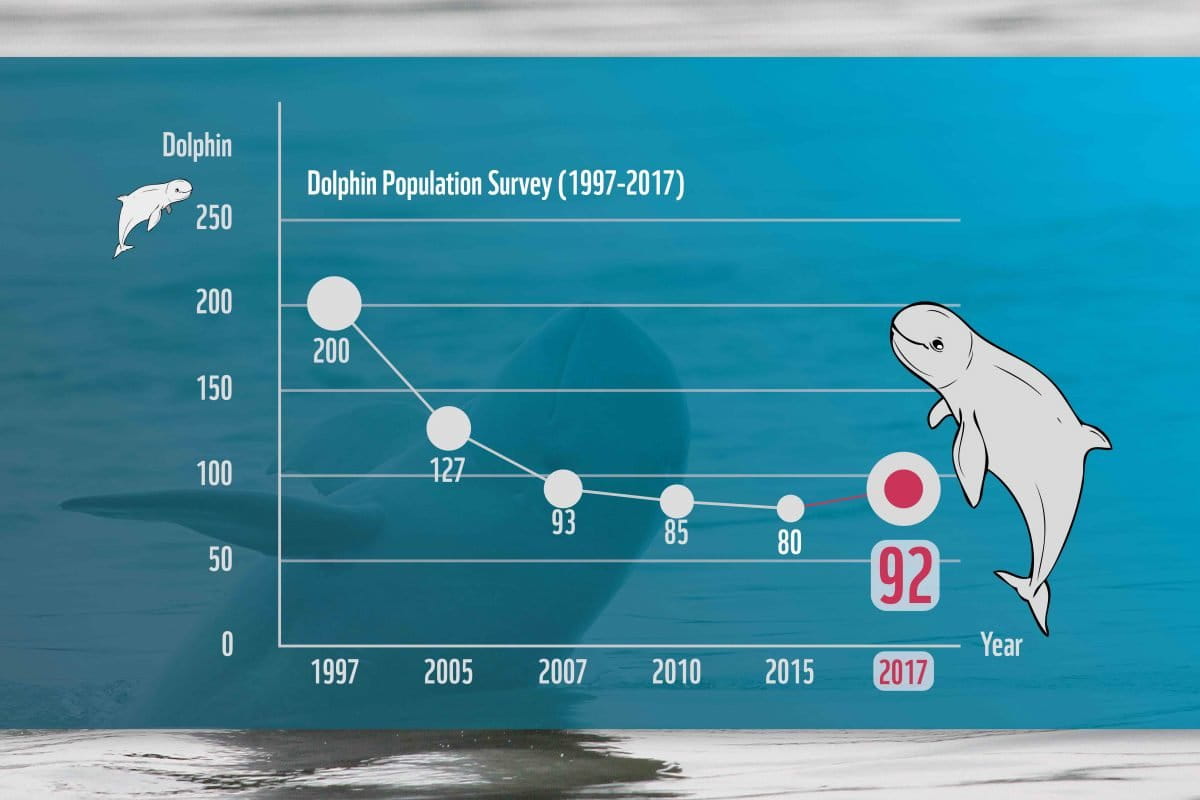
While the birth of this calf is a triumph for the zoo community, its true value lies in the data it provides for wild conservation. The Mekong River population of Irrawaddy dolphins, for example, has dwindled to fewer than 100 individuals. The Mahakam River population in Indonesia hovers around 80. The Ayeyarwady River in Myanmar, once a stronghold, has seen a 50% decline since 2000.
Why are they dying? The primary threats, ranked by severity, are:
A. Gillnet Entanglement (Bycatch): This is the number one killer. Irrawaddy dolphins use echolocation to hunt fish. However, the monofilament nylon gillnets used by subsistence fishers are nearly invisible to dolphin sonar. The dolphins get entangled, cannot rise to breathe, and drown. The captive calf’s echolocation clicks are being studied to see if we can design “pingers” (acoustic deterrents) that warn dolphins away from nets without scaring away the fish.
B. Hydropower Dams: Dams on the Mekong and Ayeyarwady rivers fragment the dolphin population into isolated pockets. This prevents genetic exchange, making inbreeding likely. Secondly, dams alter the flow of water and sediment, reducing the fish population. Starving dolphins have weaker immune systems. By studying the captive calf’s growth rate and metabolic needs, scientists can better estimate how much fish a wild dolphin needs per day to survive, allowing them to argue for specific river flow levels to be maintained.
C. Gold Mining Mercury Poisoning: In regions like Borneo, illegal gold mining releases mercury into the waterways. This heavy metal accumulates in fish and then in dolphins. It causes neurological damage and reproductive failure. The captive birth gives scientists a “healthy baseline” blood mercury level. When they take tissue samples from wild dolphins (via biopsy darts), they can compare the numbers. If wild dolphins have ten times the mercury of Khamin’s calf, it provides hard evidence for government intervention.
Ethical Considerations: Is Captive Breeding the Answer?
No article about a captive birth would be complete without addressing the ethical elephant in the room. Critics argue that keeping such an intelligent, wide-ranging animal in a concrete tank no matter how large is inherently cruel. They suggest that resources spent on captive breeding could be better directed toward protecting river habitats and buying out fishing nets.
However, proponents of the “Ark Paradigm” counter with a hard reality: habitat protection is failing. Despite millions of dollars invested in anti-bycatch programs, wild Irrawaddy populations continue to crash. At a certain point, when a wild population drops below a viable number (usually estimated at 400 individuals for genetic diversity), “ex situ” (off-site) breeding becomes the only life insurance policy.
The facility housing this calf has implemented several “progressive” welfare standards that differ from older dolphinariums:
-
Natural Substrate: The pool bottom is not white tile. It is textured concrete colored like river mud, with submerged logs and freshwater plants (real and artificial).
-
Variable Salinity: The water chemistry cycles through fresh, brackish, and slightly saline phases to mimic the seasonal river delta flow.
-
No “Shows”: The dolphins are not required to perform theatrical tricks. Instead, they participate in “protected contact” sessions where training is voluntary and focused solely on medical behaviors (presenting tail for blood draw, opening mouth for dental exam).
This calf will never be released into the wild. His genetics are too valuable (and potentially too maladapted for wild survival). He will serve as an ambassador for his species, with his daily activities live-streamed to thousands of schoolchildren, teaching them about the plight of the disappearing river dolphins of Asia.
The Road Ahead: The Next 12 Months
As the calf enters his second month, the “acute” risk of death has passed, but the “sub-acute” risks remain. The veterinary team has outlined a critical path for the next year:
-
Month 3 – Weaning Introduction: The calf will begin to show interest in solid fish. Trainers will introduce tiny, thawed capelin fish (about 2 inches long). He will still rely on mother’s milk for 90% of his nutrition.
-
Month 6 – Echolocation Refinement: At this age, the calf’s fatty “melon” (the rounded forehead) will fully develop, allowing him to focus his sonar. He will start to mimic the adult’s click patterns. Researchers will be listening via hydrophones to see if he develops a unique “signature whistle,” a name-like call that individual dolphins use to identify themselves.
-
Month 9 – Social Integration: If the father, Phet, is deemed non-aggressive, a supervised reintroduction will occur. The goal is to show the calf adult male behavior, which is crucial for him to successfully breed when he matures in 8-10 years.
-
Month 12 – The First Birthday: Survival to one year is the gold standard in cetacean captive breeding. A birthday celebration is not just a PR event; it signifies that the calf has successfully transitioned to a diet of solid fish, has a functioning immune system, and has learned the social hierarchy of the pod.
Conclusion: A Smile Worth Protecting
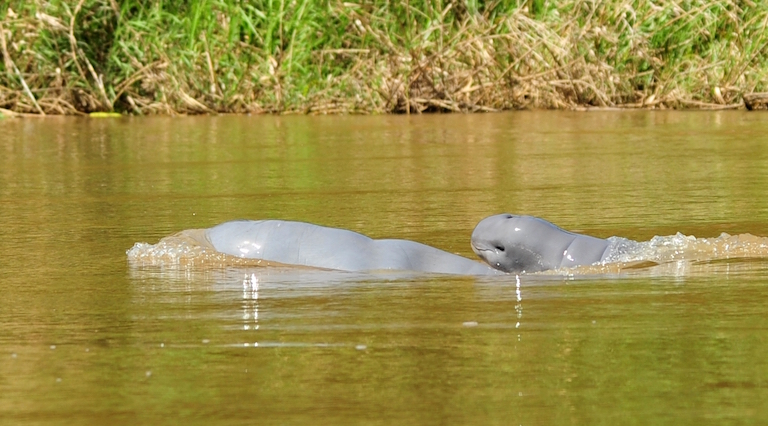
The birth of this Irrawaddy dolphin calf is not a solution to the extinction crisis. It is a tool, a data point, and a symbol. In a small, controlled pool somewhere in Southeast Asia, a baby dolphin learned to swim today. He looked at his mother, opened his mouth to nurse, and in the process, revealed the same “smiling” mouth line that has charmed humans for centuries.
But for the 80 dolphins left in the Mekong, there is no smiling. There is only the hungry search for fish, the constant hum of motorboats, and the invisible walls of gillnets. The success of Khamin and her calf gives the scientific community a reason to double down on their efforts. If we can help a first-time mother dolphin navigate the hazards of birth in a concrete tank, we can certainly figure out how to remove a few gillnets from a river. The calf’s life has value not just for his own sake, but for the data he provides to save his wild cousins.
As we watch this young male grow, we are reminded of the thin line between hope and despair in modern conservation. For now, hope is winning one tiny, tail-first breath at a time. The world will be watching his development closely, because in his journey lies a blueprint for survival. May his clicks be strong, his fish be plentiful, and his species endure the turbulent currents of the Anthropocene. This captive birth is more than a news story; it is a second chance written in the language of biology, patience, and unwavering dedication.