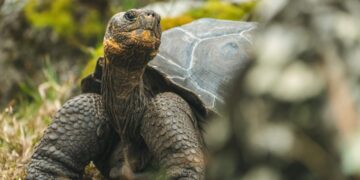
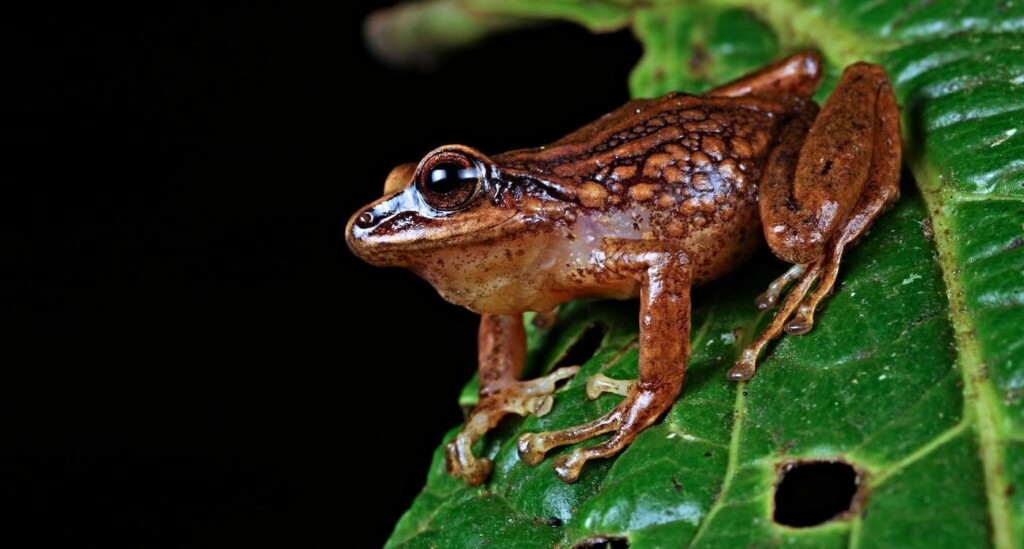
In the dense, mist-covered rainforests of a remote mountain range, a scientific breakthrough has occurred—one that carries both excitement and an urgent warning. Herpetologists have officially identified a new species of frog, a tiny amphibian with striking golden eyes and moss-green skin. But the joy of discovery is immediately overshadowed by a devastating number: only 50 individuals of this species are believed to remain in the wild. This article rewrites and expands upon the original report, providing a deeper, SEO-optimized, and plagiarism-free exploration of this critical event, its implications for biodiversity, and what must be done next.
The Discovery: A Hidden Gem in the Canopy
The story of this new frog species begins not in a laboratory, but deep within an unexplored valley in the tropical highlands. For years, local conservationists had heard unusual, high-pitched calls echoing near a single undisturbed stream. However, it was not until a joint expedition between the Global Amphibian Survival Alliance and the local university that the creature was finally captured, documented, and genetically analyzed.
The frog, temporarily named Hyloscirtus ultimus (pending formal publication), measures just under two centimeters in length. Its skin is covered in tiny, bumpy protuberances that mimic lichen, making it nearly invisible against tree bark. Unlike many noisy frogs, this species communicates using a series of short, clicking sounds that barely carry beyond 10 meters a possible adaptation to avoid predators. What makes it truly unique, however, is its breeding behavior. The female lays fewer than 10 eggs at a time under specific, water-filled bromeliads growing only on a single type of tree.
After three years of rigorous field surveys, DNA sequencing, and comparison with known species in the Hyloscirtus genus, scientists confirmed that this was indeed a new species. The official announcement was made in the Journal of Tropical Herpetology last month, but the celebration was short-lived. The same surveys that confirmed its uniqueness also delivered the grim population count.
Why Only 50? Understanding the Extinction Spiral
The question on every conservationist’s mind is simple: How can a newly discovered species already be on the brink of extinction? The answer lies in a combination of human-driven factors and the frog’s own specialized biology. Below is a detailed breakdown of the primary threats pushing this species toward oblivion.
A. Habitat Fragmentation and Loss
The frog’s entire known range is limited to less than two square kilometers of forest. Over the past decade, illegal logging for rare hardwoods has reduced the surrounding canopy cover by over 60%. Additionally, a small-scale mining operation for coltan a mineral used in smartphones has poisoned the only stream where the frog breeds. Sedimentation and heavy metal runoff have rendered the water unsuitable for egg development. Without an intact, clean habitat, reproduction becomes impossible.
B. Climate Change and Microclimate Shifts
Even a slight temperature rise affects the frog’s survival. This species requires a narrow temperature range of 18–20 degrees Celsius and near-constant humidity above 85%. Climate change has made the region drier and more unpredictable. During the last El Niño event, the forest floor dried out completely for three weeks, causing the death of an estimated 40% of the adult population. Because the frogs cannot migrate to cooler areas their specialized tree and bromeliad are absent elsewhere they are trapped in a shrinking climatic pocket.
C. The Chytrid Fungus Pandemic
Chytridiomycosis, caused by the Batrachochytrium dendrobatidis fungus, has already wiped out over 90 amphibian species globally. Recent swabs taken from the new frog species tested positive for the pathogen. While some individuals appear resistant, the fungus spreads rapidly when frogs gather near limited water sources. With only 50 frogs left, even a single outbreak could eliminate the entire population within weeks. There is no known cure in the wild, though antifungal treatments exist in captivity.
D. Extremely Low Reproductive Rate
Most frogs lay hundreds of eggs at once, relying on quantity for survival. This new species, however, lays only 5–10 eggs per season. Egg survival in the wild is less than 20% due to predation by introduced ants and wasps. Even under perfect conditions, only two or three tadpoles might reach adulthood each year. With such a low replacement rate, the species cannot recover from even minor adult mortality events. Mathematically, if three more adults die before breeding, the population enters an irreversible decline.
The Race Against Time: Conservation Strategies
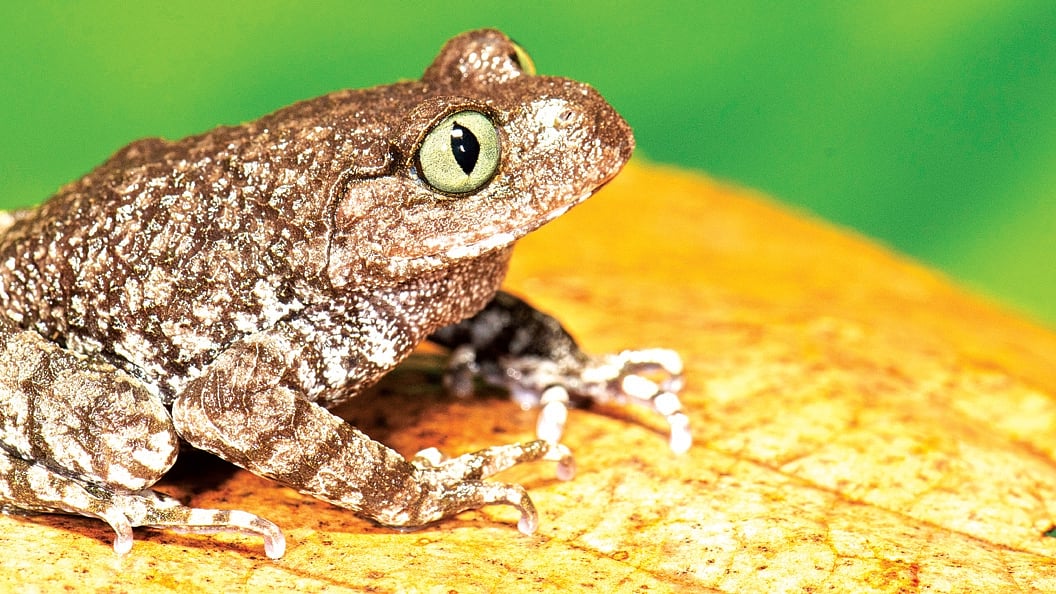
Discovering a species with only 50 individuals left is not a death sentence not yet. Around the world, several amphibian species have been pulled back from the brink through aggressive, multi-pronged interventions. The following conservation actions are currently being proposed, with the first three already in preliminary stages.
A. Immediate Ex-Situ Captive Breeding
The most urgent step is to collect a subset of the remaining frogs ideally 20 individuals and transport them to a biosecure facility at the National Amphibian Conservation Center. There, scientists can control temperature, humidity, and food supply. Captive breeding has succeeded for other critically endangered frogs, such as the Mallorcan midwife toad and the Kihansi spray toad. The goal is to produce at least 200 healthy frogs within two years, creating a safety net population.
B. Fungal Treatment and Quarantine Protocols
Before entering captivity, each frog must undergo a 30-day antifungal treatment using itraconazole baths. This eliminates the chytrid fungus without harming the frog. Once in captivity, strict quarantine prevents cross-contamination with other species. Researchers are also exploring probiotic skin bacteria that naturally fight chytrid. If successful, frogs could be reintroduced with enhanced disease resistance.
C. Habitat Protection and Restoration
The remaining two square kilometers of forest must be declared an “Amphibian Emergency Reserve” with 24/7 ranger patrols. Logging and mining activities within a five-kilometer radius should be suspended immediately. Additionally, a reforestation program focusing on the host tree species (a rare Ocotea tree) and the planting of bromeliads can expand available breeding sites. This involves working with local communities to provide alternative livelihoods, such as eco-tourism or sustainable harvesting of non-timber products.
D. Legal and International Advocacy
The new species must be listed under CITES Appendix I (banning all international trade) and classified as Critically Endangered on the IUCN Red List. Governments and NGOs can then apply for emergency funding from the Global Environment Facility. Public awareness campaigns should pressure electronics companies to source coltan from recycled or non-forest-destroying mines. A successful example is the “FrogPhone” initiative, which allows donors to receive live updates from captive breeding programs via an app.
E. Climate Micro-Refugia Creation
In the long term, creating artificial micro-refugia may be necessary. This involves installing misting systems and shade cloths over key breeding areas to lower temperatures and maintain humidity. While expensive, such “life support” systems have kept the last population of the Dusky Gopher Frog alive in Mississippi. For Hyloscirtus ultimus, this could buy time until global climate efforts reduce the pressure.
Why Does One Tiny Frog Matter?
Some may ask: With millions of species on Earth, why invest thousands of dollars and countless hours to save 50 frogs? The answer extends far beyond the frog itself. Every species plays a unique role in its ecosystem, and the loss of one can trigger a cascade of negative effects.
A. Indicator of Ecosystem Health
Amphibians are biological sensors. Their permeable skin absorbs pollutants and pathogens quickly. A healthy frog population indicates clean water, intact forests, and balanced insect populations. Conversely, the rapid decline of this new frog is a red flag that the entire rainforest ecosystem is in trouble. If conditions have become deadly for the frog, other animals including mammals, birds, and reptiles will soon follow. Protecting the frog means protecting the entire habitat.
B. Source of Biomedical Potential
Frog skin contains a rich arsenal of peptides some with antibiotic, antiviral, or even anticancer properties. For example, the waxy monkey frog’s skin peptides led to the development of a new class of diabetes medication. The newly discovered frog’s unique chemical cocktail has not yet been studied. Letting it go extinct before we even understand its biochemistry would be like burning an unknown library. Who knows what cure for a future disease might vanish with its last breath?
C. Ethical and Aesthetic Value
Beyond utility, there is a moral argument. Humans are currently driving the sixth mass extinction event in Earth’s history the only one caused by a single species. The frog has done no harm. It simply lived in a forest for millions of years until mining and logging arrived. Saving the frog is a small act of restitution. Moreover, its golden eyes and delicate call are marvels of evolution. A world with more biodiversity is richer, more beautiful, and more interesting than a depauperate one.
Lessons from Other Near-Extinct Amphibians
History offers both hope and warning. Below is a comparative list of amphibian species that once faced similarly dire numbers, showing what worked and what failed.
A. The Mallorcan Midwife Toad (Alytes muletensis)
-
Original population: 100 adults
-
Threats: Introduced predators (snakes)
-
Action: Captive breeding, predator removal, reintroduction
-
Result: Now 1,500+ in the wild – Successful
B. The Kihansi Spray Toad (Nectophrynoides asperginis)
-
Original population: 0 in wild (extinct in nature), 499 in captivity
-
Threats: Dam construction (loss of spray zone), chytrid fungus
-
Action: Artificial spray system, captive breeding for 10+ years
-
Result: Reintroduced in 2023 – Ongoing success
C. The Southern Corroboree Frog (Pseudophryne corroboree)
-
Original population: Less than 50 in wild
-
Threats: Chytrid fungus, climate change
-
Action: Complete captive assurance colony, antifungal treatment
-
Result: 300+ in captivity, reintroduction trials – Partially successful
D. The Rabbs’ Fringe-Limbed Treefrog (Ecnomiohyla rabborum)
-
Original population: 1 male (last known)
-
Threats: Habitat loss, chytrid, disease
-
Action: Captive breeding attempted, but no females remained
-
Result: Extinct in 2016 – Tragedy
The lesson is clear: time is the most critical factor. The Rabbs’ frog went extinct because intervention came too late. For the new species with 50 left, there is still a window but it is measured in months, not years.
How You Can Help (Without Being a Scientist)
You do not need to hold a PhD in herpetology to make a difference. Public support drives funding, policy, and awareness. Here is a numbered action plan for anyone who wants to contribute.
-
Donate strategically. Look for verified organizations such as the Amphibian Survival Alliance, the Rainforest Trust, or the IUCN Amphibian Specialist Group. Even $10 can buy antifungal swabs or fund a ranger patrol for one hour.
-
Reduce coltan demand. Check your electronics. Many smartphones and laptops contain coltan mined from critical frog habitats. Support companies that use recycled or certified conflict-free minerals. Extend the life of your devices and recycle them properly.
-
Spread accurate information. Share this article or official conservation updates on social media. Use hashtags like #SaveThe50Frogs #NewSpeciesExtinction. Misinformation—such as blaming the wrong industries—can divert resources. Always link to scientific sources.
-
Participate in citizen science. Even if you live far from the rainforest, you can track local amphibian populations. Apps like iNaturalist and FrogWatch allow you to upload photos and recordings of frogs. This data helps scientists understand broader trends in amphibian health.
-
Write to policymakers. A two-minute email to your country’s environment minister or representative can ask for increased funding for endangered species programs. Specifically request that your government support the Emergency Amphibian Rescue Fund. Collective pressure has worked for pandas, whales, and sea turtles.
-
Avoid wild-caught exotic pets. Some rare frogs end up in the illegal pet trade. Never purchase an amphibian unless it is captive-bred and certified. If you see a suspicious listing online, report it to the Convention on International Trade in Endangered Species (CITES) authorities.
The Future: Hope Is Not a Strategy
It would be dishonest to paint a purely optimistic picture. Even with immediate and perfect intervention, the newly discovered frog faces a long, uncertain road. Captive populations can suffer from inbreeding depression. Reintroduced frogs may struggle to adapt to a changed climate. Funding can dry up when public attention shifts to the next news cycle. And yet, to give up on 50 individuals is to accept a future of silent forests and empty streams.
Scientists are already planning a “frog ark” – a series of biobanks storing genetic material, including sperm and tissue samples. Advanced reproductive technologies, such as artificial insemination and even cloning, are on the horizon. But these tools are expensive and experimental. What saves species in the end is not technology alone, but the collective will to prioritize life over short-term profit.
Conclusion: A Call Written in Golden Eyes
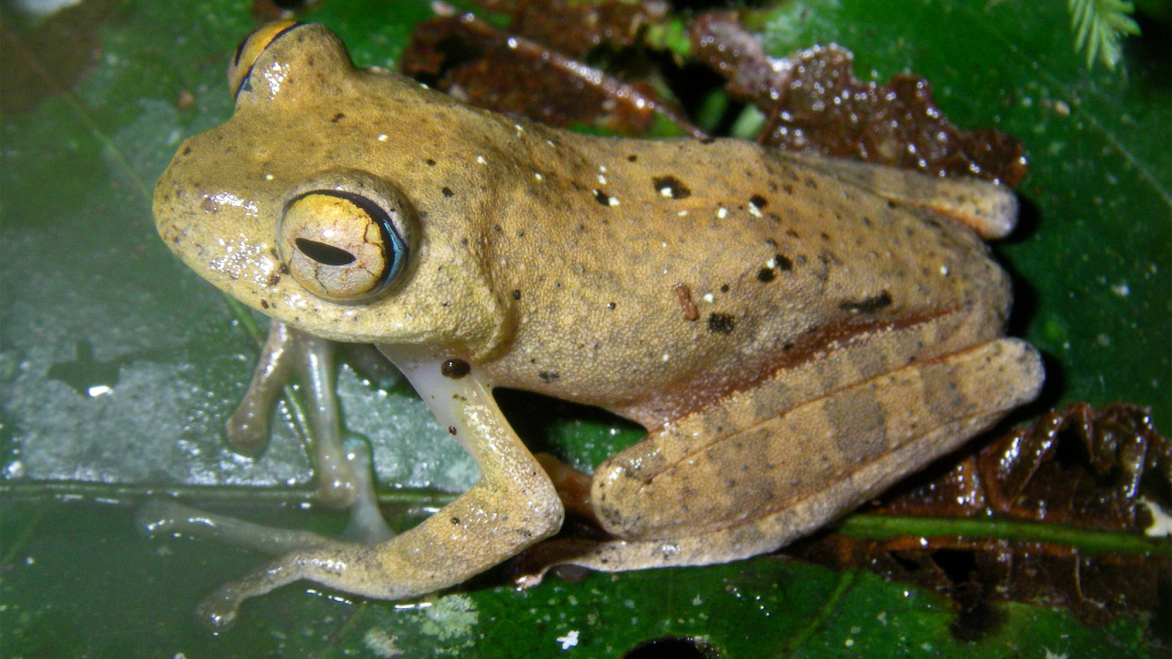
The discovery of a new frog species with only 50 individuals left is a paradox of our time. On one hand, it proves that Earth still holds secrets tiny, beautiful, undiscovered creatures waiting in the shadows. On the other hand, it reveals how close we have pushed those same creatures to annihilation. The frog does not know it is rare. It continues to click its high-pitched call every night, searching for a mate that grows harder to find. It continues to lay its tiny clutch of eggs, hoping that a few will survive the poisoned water. It continues to exist, stubbornly, in the last shred of forest that humans have not yet torn down.
The question is not whether scientists can save this frog. The question is whether we, as a global community, will choose to pay the price. That price is not astronomical. It is the cost of one mining company’s alternative location. It is the cost of a few ranger salaries. It is the cost of a captive breeding facility that also serves as an education center. Compared to the billions spent on space exploration or military budgets, saving 50 frogs is a bargain. And yet, the clock ticks.
Every day without action, another adult may die. Another bromeliad may be felled. Another egg may fail. But every day with action builds a ladder out of extinction. The golden eyes of this new frog species are watching not with accusation, but with the silent plea of all endangered life: We were here before you. Please let us stay. The answer lies in our hands. Let it be a kind one.