
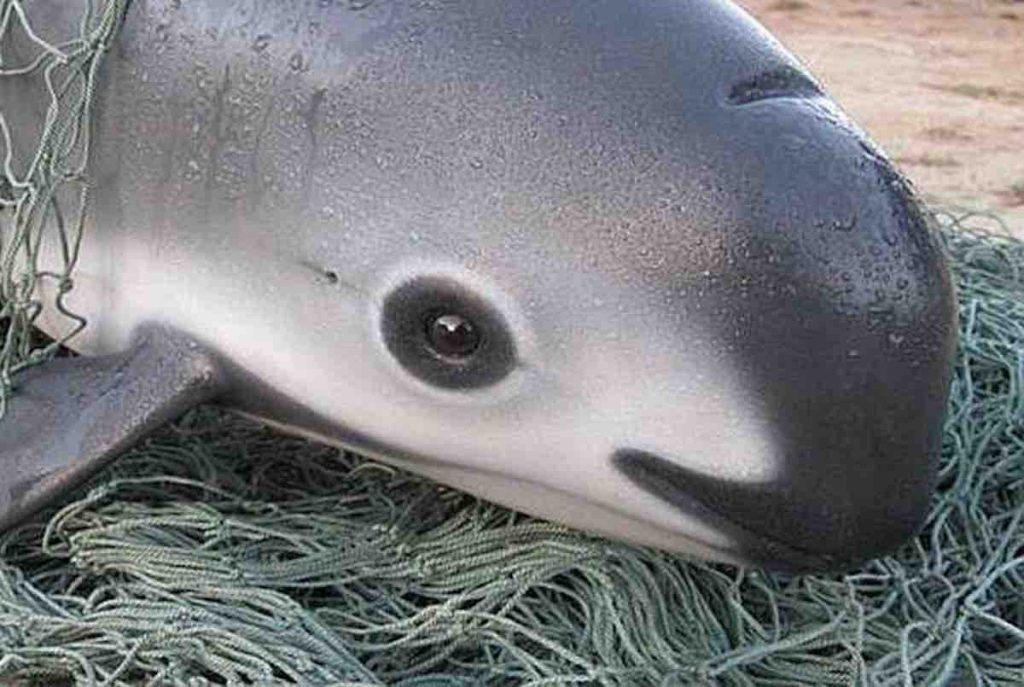
The world’s most endangered marine mammal, the vaquita (Phocoena sinus), has once again captured the urgent attention of conservationists and environmentalists worldwide. Recent surveys and acoustic monitoring programs have delivered devastating confirmation: the vaquita population has dropped to a dangerously low level. With fewer than 20 individuals estimated to remain in their native habitat, the species is teetering on the edge of extinction. This article explores the current status of the vaquita, the primary threats driving its decline, ongoing conservation efforts, and the critical need for immediate, decisive action.
Introduction to the Vaquita
The vaquita is a small, elusive porpoise endemic to the northern part of the Gulf of California, Mexico. Often referred to as the “panda of the sea” due to the distinctive dark rings around its eyes, the vaquita is the smallest cetacean in the world, typically measuring between 4 and 5 feet in length and weighing no more than 120 pounds. Despite its charming appearance and evolutionary success for thousands of years, human activity has pushed this species to the brink.
Understanding the vaquita’s biology is crucial to grasping why its recovery is so challenging. Vaquitas have a low reproductive rate, with females giving birth to a single calf every two years after a gestation period of approximately 10 to 11 months. This slow reproduction cycle means that even under perfect conditions, population growth is sluggish. When mortality rates exceed birth rates, as is currently the case, the species cannot sustain itself.
Current Population Estimates: A Shocking Reality
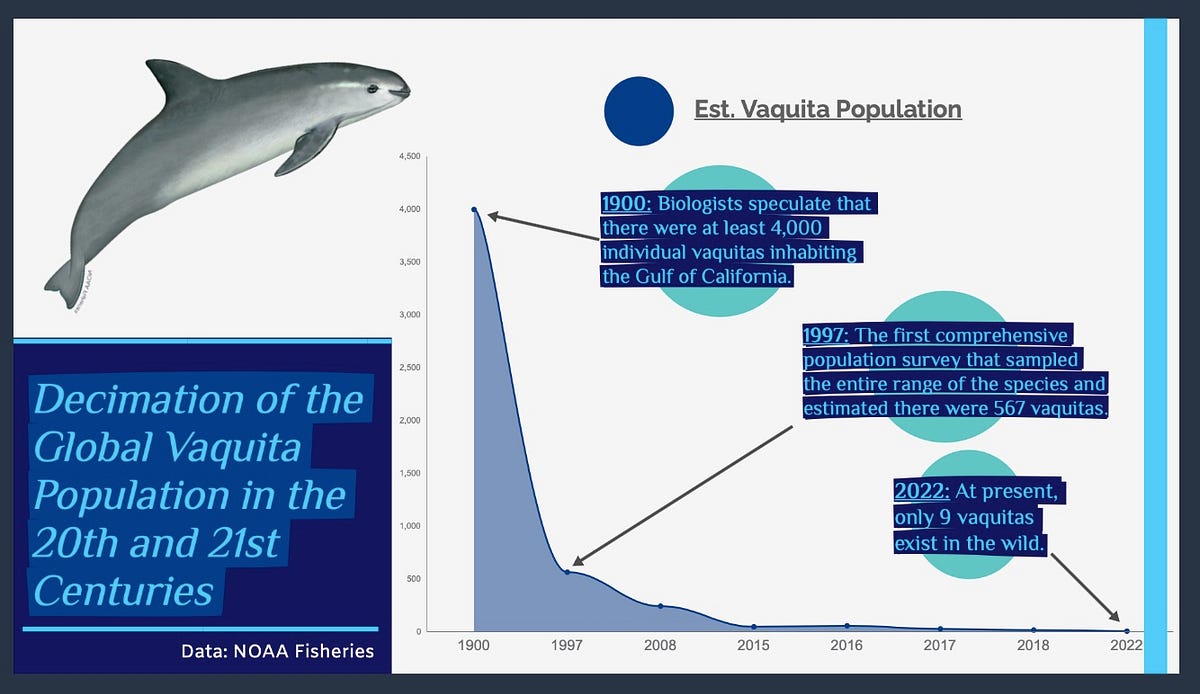
According to the most recent international survey led by the Comité Internacional para la Recuperación de la Vaquita (CIRVA), the vaquita population has dropped to approximately 10 to 18 mature individuals. This represents a decline of over 98% since the late 1990s, when the population was estimated at around 600 animals. The results, released in mid-2024, confirm that without immediate intervention, the vaquita could become extinct within the next five years.
Acoustic monitoring devices placed in the Vaquita Refuge Area have detected scattered but consistent vocalizations, indicating that the remaining animals are still alive but highly dispersed. However, the same monitoring reveals that gillnet activity continues unabated in critical zones. The steep downward trend is not just an environmental tragedy but also a grim indicator of failed policy enforcement.
The Primary Threat: Illegal Gillnet Fishing
The single greatest driver of vaquita population decline is bycatch in illegal gillnets. These nets, designed to catch another highly endangered and valuable species the totoaba fish are massive, vertically suspended curtains of mesh that drift in the water column. While totoaba swim bladders are highly prized on the black market in Asia for traditional medicine and as a delicacy, vaquitas become entangled and drown simply because they inhabit the same waters.
A. Totoaba Poaching: The totoaba is a large fish that can grow up to six feet long. Its swim bladder (buche) is often illegally exported to China, where it can fetch up to $20,000 per kilogram earning it the nickname “cocaine of the sea.” This astronomical price fuels a powerful criminal network that operates with impunity in the Gulf of California.
B. Gillnet Danger: Vaquitas cannot echolocate thin nylon gillnets. Once entangled, they cannot surface for air and die from suffocation within minutes. Even a single ghost net or an active net set for a few hours can wipe out a significant percentage of the remaining population.
C. Illegal Fishing Hotspots: Despite the creation of a protected “zero tolerance area” for gillnets, illegal fishermen frequently enter the refuge at night. Satellite tracking of small fishing vessels has shown that over 50% of the vessels operating in the vaquita’s core habitat are engaged in illegal totoaba fishing.
Secondary Threats and Environmental Factors
While gillnets are the immediate cause of death, other underlying factors exacerbate the crisis. These include:
-
Habitat Degradation: The Colorado River delta, which historically supplied fresh water and nutrients to the upper Gulf of California, has been severely reduced due to dam construction and agricultural diversion in the United States and Mexico. This has altered salinity levels and reduced prey availability for vaquitas, which feed on small fish, squid, and crustaceans.
-
Pollution: Agricultural runoff, industrial chemicals, and untreated sewage entering the Gulf have led to pockets of hypoxic (low oxygen) zones. While direct evidence of poisoning is limited, the cumulative stress on an already fragile population cannot be ignored.
-
Inbreeding Depression: With so few individuals remaining, genetic diversity is virtually nonexistent. Inbreeding leads to lower fertility rates, higher calf mortality, and increased susceptibility to diseases. Any disease outbreak that might have been minor in a healthy population could now prove catastrophic.
Conservation Efforts Undertaken to Date
The Mexican government, along with international NGOs such as the World Wildlife Fund (WWF), Sea Shepherd Conservation Society, and the Natural Resources Defense Council (NRDC), have implemented several measures to try to save the vaquita. However, the effectiveness of these efforts has been mixed.
1. The Vaquita Refuge Area
In 2005, the Mexican government established a protected area covering over 1,300 square kilometers of the upper Gulf. Within this zone, all gillnet fishing was banned, and only hook-and-line fishing was permitted. Unfortunately, the refuge has been largely ineffective because enforcement vessels are outnumbered and outgunned by illegal fishing fleets.
2. Gillnet Buyout Program
Between 2015 and 2018, Mexico launched a controversial program to compensate local fishermen for retiring their gillnets and switching to vaquita-safe fishing gear, such as lines and traps. The government paid millions of dollars to fishermen. However, a significant number of fishermen took the money, kept their nets, and continued illegal fishing, often at night or in remote areas.
3. Sea Shepherd’s Conservation Operations
The Sea Shepherd Conservation Society has deployed vessels such as the M/V Sharpie and M/V Farley Mowat to the Gulf of California. Their crews work alongside the Mexican Navy, using radar and drones to locate illegal gillnets. They physically remove nets from the water, and to date, have retrieved hundreds of illegal nets and dozens of dead totoaba. However, the sheer size of the area and the determination of poachers make this a constant challenge.
4. International Legal Actions
The United States has invoked the Pelly Amendment and the Endangered Species Act (ESA) to place sanctions on Mexico for failing to protect the vaquita. In 2022, the U.S. government banned the import of Mexican seafood caught with gillnets in the upper Gulf. Despite these sanctions, which aim to pressure Mexico through economic leverage, illegal fishing continues.
Why Previous Strategies Have Failed
To understand the current crisis, one must analyze why decades of conservation work have not reversed the decline. Key reasons include:
-
Corruption and Crime: The totoaba trade is now controlled by international drug cartels. These cartels are heavily armed, bribe local officials, and threaten the lives of conservationists, navy personnel, and honest fishermen. This has created a climate of fear, making enforcement dangerous.
-
Lack of Alternative Livelihoods: Many coastal communities, such as San Felipe and Golfo de Santa Clara, have relied on fishing for generations. While the buyout program provided short-term cash, it did not offer sustainable long-term employment. As a result, unemployed fishermen returned to the most lucrative option: illegal totoaba fishing.
-
Slow Legal Processes: Prosecuting poachers requires months or years. Due to a weak judicial system, most arrested individuals are released within days and quickly return to fishing.
The Role of Technology in Saving the Vaquita
In the face of dwindling numbers, scientists and engineers are racing to deploy advanced technologies to locate and protect the remaining vaquitas.
A. Acoustic Monitoring Arrays
Underwater hydrophones are placed every few kilometers across the vaquita’s range. These devices listen for the unique high-frequency clicks of the vaquita. Real-time data is transmitted to command centers, allowing patrol boats to move quickly to areas where vaquitas are present and intercept gillnets before they cause harm.
B. Drone and Satellite Surveillance
High-altitude drones equipped with infrared cameras can spot illegal fishing vessels at night, a time when poachers historically believed they were invisible. Satellite imagery, analyzed by artificial intelligence (AI) algorithms, can detect the subtle visual signatures of gillnet buoys on the water’s surface.
C. Vaquita CPR (Conservation, Protection, and Recovery)
An extremely controversial but potentially last-resort strategy is the Vaquita CPR plan, which proposes capturing some of the remaining vaquitas and placing them in a protected sanctuary, either in a sea pen or a large, controlled marine enclosure. Preliminary trials with harbor porpoises showed that capture and translocation are possible, but the stress involved could kill the very animals the team is trying to save. To date, this plan has not been fully implemented due to the high risk of fatal capture myopathy (muscle damage from stress).
What Needs to Happen Now: A Six-Point Action Plan
Given the critically low population, incremental steps are no longer enough. The following drastic actions, recommended by CIRVA and leading marine biologists, must be implemented immediately.
A. Complete and Permanent Removal of All Gillnets: A military-grade operation must sweep the entire vaquita refuge and remove every single gillnet, regardless of ownership. Furthermore, entry of any fishing vessel into the refuge must be physically blocked by permanent barriers or naval blockades.
B. Criminalization of Totoaba Trade at Source and Destination: China and other Asian nations must join Mexico and the U.S. in a coordinated crackdown. This includes arresting buyers, closing black market websites, and publicly destroying seized totoaba bladders to send a clear message that demand will not be tolerated.
C. Economic Transformation of Fishing Communities: International donors and the Mexican government must invest a minimum of $100 million over five years to transform the local economy. This includes developing ecotourism focused on desert whale watching (other cetaceans exist nearby), aquaculture of non-endangered species using vaquita-safe methods, and direct employment of former fishermen as conservation rangers earning competitive salaries.
D. Establish a Genetic Ark: Scientists must collect and cryogenically preserve tissue samples (fibroblasts) from every possible source, including dead vaquitas found stranded. While cloning is not a short-term solution, preserving genetic material offers a potential pathway for future reintroduction decades from now.
E. Year-Round, 24/7 Naval Presence: The Mexican Navy must establish a permanent, armed base within the refuge. Patrol boats must operate on overlapping shifts so that no hour passes without enforcement. Any vessel found with a gillnet inside the refuge should be immediately seized and destroyed as a deterrent.
F. Public Awareness Campaigns: A global media campaign using social media influencers, documentaries, and targeted ads in Chinese and Vietnamese (primary markets for totoaba) must highlight the vaquita’s plight. Changing consumer behavior at the demand level is the only long-term solution.
The Consequences of Inaction
If the vaquita becomes extinct, it will be the first marine mammal driven to extinction by human activity in the modern era. The last such loss was the Caribbean monk seal, which was declared extinct in 2008. The extinction of the vaquita would have profound implications:
-
Ecological Collapse: As a top predator of small fish and squid, the vaquita helps maintain balance in the Gulf of California’s ecosystem. Without them, populations of their prey could explode, leading to algal blooms and cascading effects on commercial fish stocks that local communities depend on.
-
Loss of Heritage: The vaquita is an endemic species found nowhere else on Earth. Its extinction would represent a permanent loss of biodiversity and a moral failure of international cooperation.
-
Economic Impact on Mexico: The story of the vaquita has already damaged Mexico’s reputation as an eco-tourism destination and led to seafood trade sanctions. An extinction would invite further international condemnation and stricter embargoes.
Hopeful Signs and Reasons to Continue Fighting
Despite the grim numbers, there are rays of hope. Acoustic data from late 2023 revealed that the rate of decline has slowed slightly in areas where gillnet removal has been most aggressive. Furthermore, the vaquita has an evolutionary history of resilience; they are not a weak or sickly species by nature they are simply outmatched by human technology.
Moreover, successful parallel examples exist. The northern right whale population has slowly rebounded due to ship speed restrictions and fishing gear modifications. The mountain gorilla was similarly on the brink in the 1980s, with fewer than 250 individuals, but today numbers over 1,000 due to intensive, armed protection. The vaquita can follow a similar path, but only if the world treats the crisis as an emergency, not a slow tragedy.
How You Can Help
While the vaquita lives 2,000 miles away from most readers, individuals across the globe can contribute to the solution.
-
Avoid Eating Mexican Seafood: Until Mexico enforces the gillnet ban, consumers should avoid shrimp, corvina, and other wild-caught seafood from the Gulf of California. Look for MSC (Marine Stewardship Council) certified sustainable alternatives.
-
Support Conservation Organizations: Donate to or volunteer with VaquitaCPR, Sea Shepherd, WWF, or the Mexican NGO Museo de la Ballena. These organizations need funding for patrols, legal fees, and community programs.
-
Raise Awareness: Share accurate information on social media. Use hashtags such as #VaquitaSelfie, #ExtinctionIsForever, and #SaveTheVaquita. Contact your political representatives and urge them to pressure Mexico through diplomatic channels.
-
Report Illegal Wildlife Trade: If you see totoaba swim bladders for sale online or in physical markets, report the listing to the Convention on International Trade in Endangered Species (CITES) or local wildlife authorities.
Conclusion

The vaquita population has dropped dangerously low, reaching a critical threshold from which recovery is almost impossible under normal circumstances. With fewer than 20 individuals left, every single vaquita matters. The situation is a litmus test for global conservation: can humanity set aside greed, crime, and short-term economic gain to save an innocent creature? The answer will be written in the waters of the Gulf of California within the next 24 to 36 months.
Without the immediate removal of every illegal gillnet, without the direct intervention of international naval forces, and without the collapse of the totoaba black market, the vaquita will become a ghost of the sea a photograph in a history book. But if the world acts with urgency, compassion, and force, the vaquita can still survive. The choice is clear, and the time to act is now.