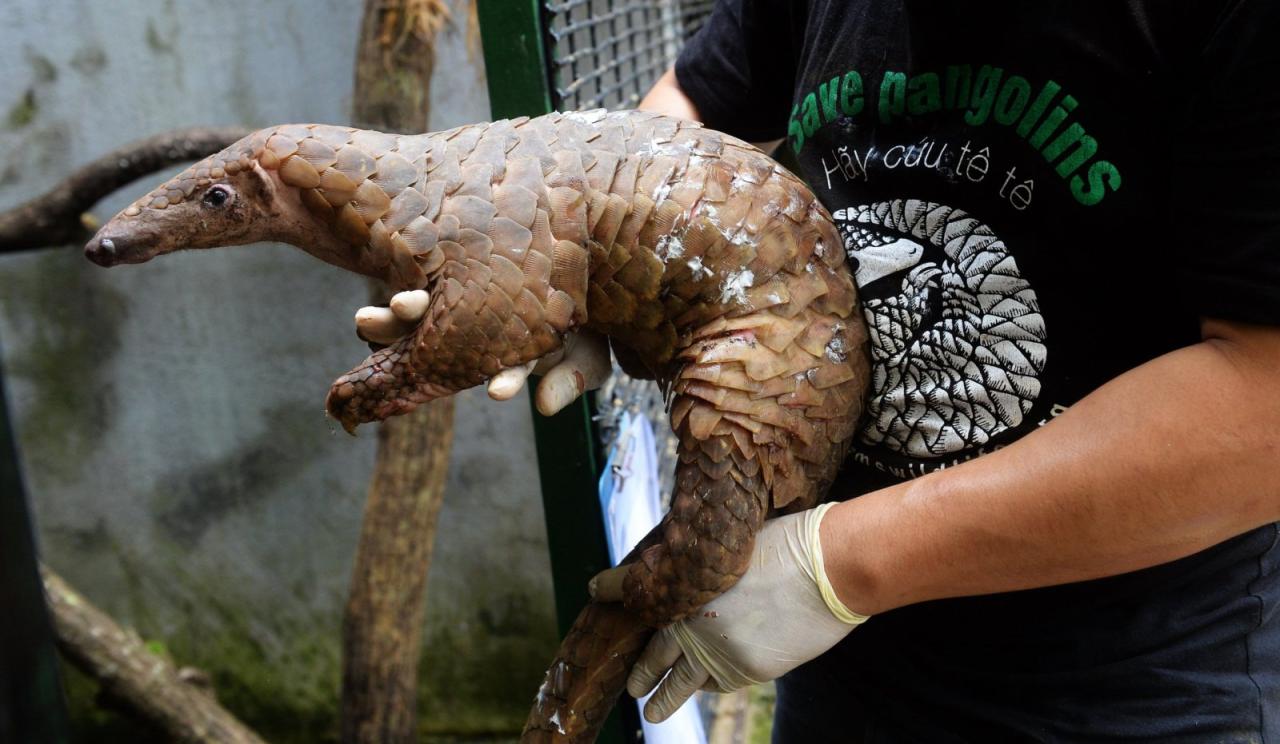
In recent years, the natural world has faced countless threats, from climate change to deforestation. However, one of the most silent yet devastating crises unfolding in the shadows is the relentless trafficking of pangolins. Recent data released by global wildlife monitoring networks and law enforcement agencies has confirmed a deeply troubling trend: pangolin trafficking has hit record highs. Despite international bans, heightened awareness, and decades of conservation work, the demand for these unique mammals continues to drive them closer to extinction. This article explores the scale of the crisis, the reasons behind the skyrocketing trafficking numbers, the devastating impact on ecosystems, and the urgent measures needed to reverse this tragic course.
The Magnitude of the Record-Breaking Crisis
According to the latest report from the Convention on International Trade in Endangered Species (CITES) and the United Nations Office on Drugs and Crime (UNODC), the volume of pangolin scales seized globally in the past two years has surpassed all previous records. Between 2020 and 2025, law enforcement authorities confiscated an estimated 200 tons of pangolin scales equivalent to the poaching of over 400,000 individual animals. These figures represent only a fraction of actual trafficking, as experts believe that for every seizure, at least 10 shipments go undetected.
The record-breaking numbers are not limited to scales alone. Live pangolins, pangolin meat, and even pangolin leather products have flooded black markets, particularly in Southeast Asia and parts of Central Africa. The escalation is alarming because pangolins are now officially recognized as the most trafficked mammal in the world, surpassing even elephants and rhinos. While previous years showed temporary declines often attributed to increased enforcement during global health crises the latest data confirms that traffickers have adapted, diversified their routes, and intensified their operations.
What Is a Pangolin? Understanding the Target
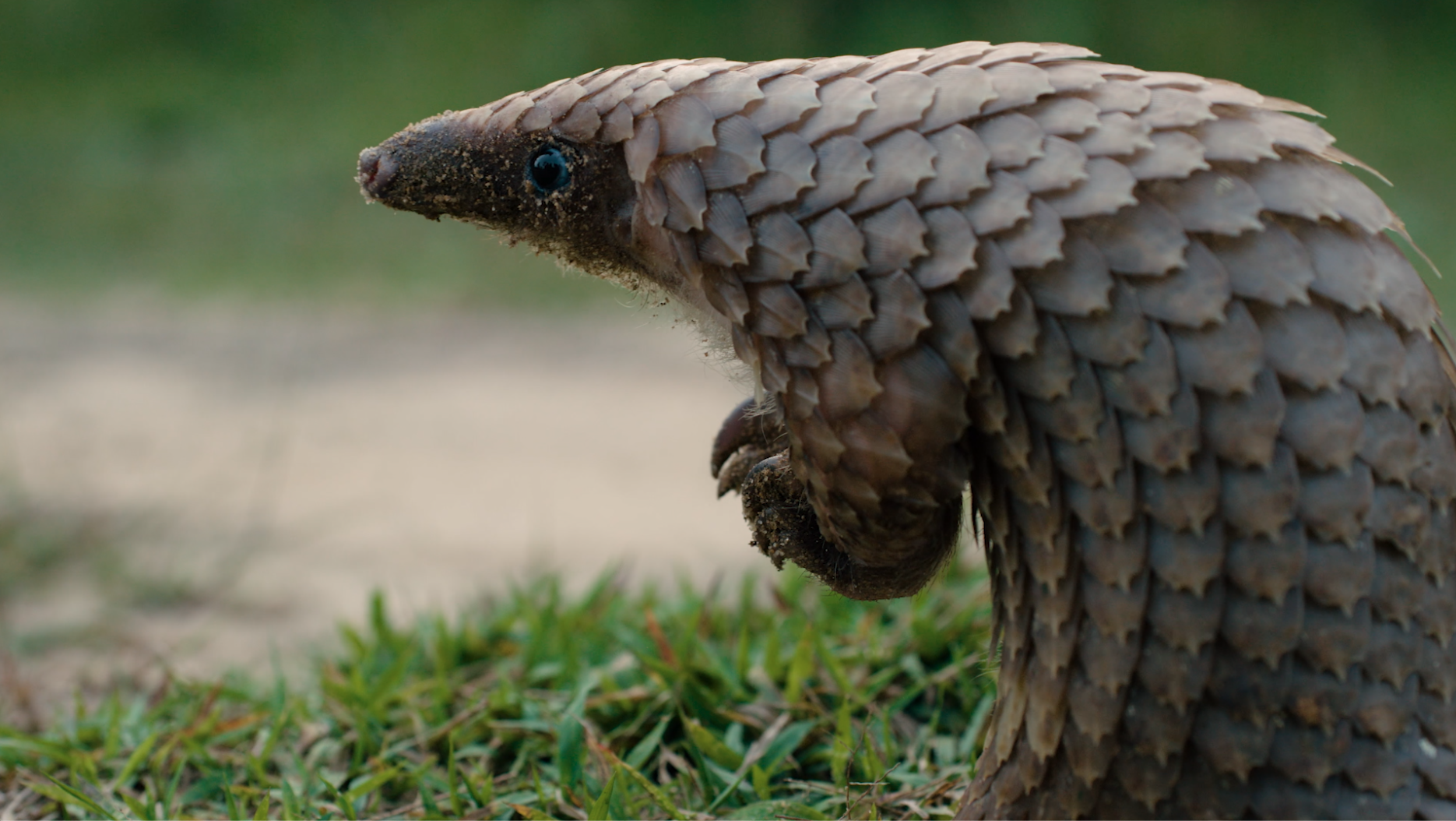
Before delving deeper into the trafficking network, it is essential to understand the victim of this crime. A pangolin is a shy, nocturnal mammal covered in protective keratin scales the same material found in human fingernails and rhinoceros horns. There are eight species of pangolins:
A. Asian pangolins – Four species: Chinese pangolin (critically endangered), Sunda pangolin (critically endangered), Indian pangolin (endangered), and Philippine pangolin (critically endangered).
B. African pangolins – Four species: Giant ground pangolin (endangered), White-bellied pangolin (vulnerable), Black-bellied pangolin (vulnerable), and Temminck’s ground pangolin (vulnerable).
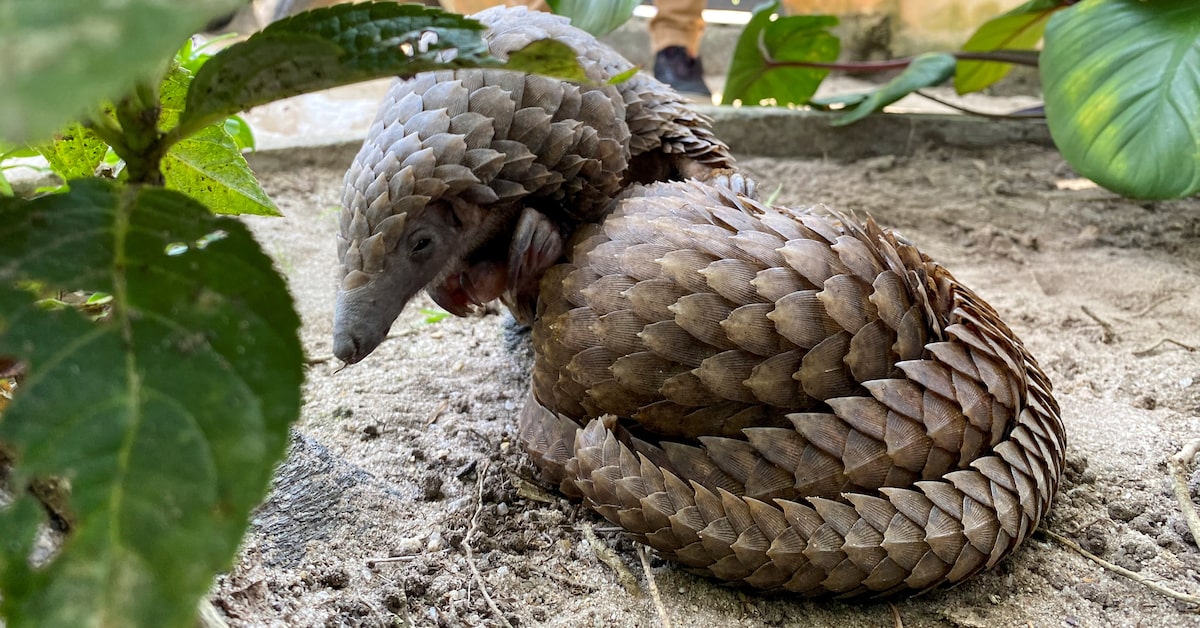
Pangolins have no teeth, cannot attack predators, and their only defense mechanism is curling into a tight ball. This makes them incredibly vulnerable to poachers, who can simply pick them up. When threatened, pangolins release a foul-smelling secretion, but this does little to deter human hunters. Sadly, their gentle nature and unique appearance have made them targets rather than treasures.
Why Is Trafficking at an All-Time High?
The surge in pangolin trafficking is not accidental. It is driven by a combination of economic, cultural, and logistical factors. Below are the primary reasons explained in detail:
A. Unrelenting Demand in Traditional Medicine
In parts of East and Southeast Asia, particularly China and Vietnam, pangolin scales have been used in traditional medicine for centuries. Contrary to scientific evidence, practitioners believe that ground pangolin scales can cure ailments such as arthritis, poor blood circulation, menstrual disorders, and even lactation difficulties. Although there is no medicinal value in keratin scales the same as eating crushed fingernails the cultural belief persists. As wealth increases in these regions, more consumers can afford high-priced pangolin products, inadvertently fueling the trafficking boom.
B. Luxury Status Symbol and Exotic Cuisine
Beyond medicine, pangolin meat is considered a delicacy among wealthy elites in Vietnam and China. Serving pangolin meat at private banquets or weddings signals status, wealth, and exclusivity. Additionally, pangolin leather is used to make luxury boots, bags, and belts. The rarer the pangolin species, the higher the price on the black market. A single kilogram of pangolin scales can fetch up to 600,whilealivepangolincansellforover1,000.
C. Weak Law Enforcement and Corruption
Despite the existence of CITES (which banned all commercial trade in pangolins in 2016), enforcement remains inconsistent. Many countries where pangolins are poached such as Nigeria, Cameroon, and the Democratic Republic of Congo suffer from weak judicial systems, underfunded wildlife protection units, and widespread corruption. Traffickers bribe border officials, police, and even politicians to ensure safe passage. Furthermore, when arrests are made, penalties are often laughably low. For example, in some African nations, a trafficker caught with hundreds of kilograms of scales may pay a small fine and be released within days.
D. Sophisticated Trafficking Networks
Modern pangolin trafficking is not carried out by lone poachers. Organized crime syndicates—many of which also traffic drugs, arms, and ivory have added pangolin scales to their portfolios because of the high profit margins and lower risk of detection compared to narcotics. These networks use encrypted messaging apps, falsified shipping documents, and complex transshipment routes that pass through multiple countries (e.g., Nigeria to Togo to Vietnam). The sheer sophistication makes it extremely difficult for authorities to dismantle the supply chain.
E. High Demand During Economic Downturns and Crises
Paradoxically, economic instability and public health crises have sometimes increased pangolin trafficking. During the COVID-19 pandemic, some traditional medicine sellers falsely claimed that pangolin scales could boost immunity against the virus. Although this claim was debunked, it temporarily spiked demand. Similarly, during economic recessions, impoverished rural communities may turn to poaching as a quick source of income, driven by promises of fast money from middlemen.
The Devastating Ecological Consequences
The record-high trafficking of pangolins is not just a problem for one species it is an ecological crisis. Pangolins play a critical role in maintaining healthy ecosystems. Their primary diet consists of ants and termites. A single pangolin can consume up to 70 million insects annually. This natural pest control service benefits agriculture, forestry, and even human habitations by reducing termite damage to wooden structures and crops.
When pangolin populations collapse, termite and ant populations explode, leading to:
-
Accelerated soil erosion
-
Damage to crops and tree roots
-
Increased use of chemical pesticides, which harm other wildlife
-
Imbalances in food webs, affecting predators like leopards, hyenas, and pythons that prey on pangolins
Furthermore, the removal of pangolins from their natural habitat disrupts a cycle that has existed for over 80 million years. Pangolins are considered a “keystone species” in many environments, meaning their absence triggers cascading negative effects. If current trafficking rates continue, ecologists warn that several pangolin species could become functionally extinct within the next decade.
Comparing Past and Present: How Records Have Broken
To fully grasp the severity, examine the following historical progression.
2014-2016: Annual global seizures averaged 20 tons of pangolin scales.
2017-2019: Seizures rose to an average of 50 tons per year, with a record 31.5 tons seized in a single shipment in 2019.
2020-2022: Due to pandemic travel restrictions, seizures temporarily dropped to 35 tons per year, but poaching continued unabated.
2023-2025: Seizures skyrocketed to over 100 tons annually, setting a new record each consecutive year.
The most staggering single seizure occurred in April 2025, when Malaysian authorities raided a warehouse near Port Klang and discovered 25 tons of pangolin scales packed in 800 bags, hidden among frozen fish. The scales originated from Nigeria and were destined for Vietnam. This single shipment represented the deaths of approximately 50,000 pangolins.
The Human Cost: Rangers, Informants, and Communities
While the focus is often on animals, it is important to acknowledge the human cost of the trafficking war. Wildlife rangers in Africa and Asia risk their lives daily to protect pangolins. In 2024 alone, over 120 rangers were killed globally by armed poachers or trafficking cartels. Many more have been injured or threatened.
Local communities that depend on ecotourism also suffer. As pangolins disappear, wildlife tourism revenues drop, leaving villages without alternative livelihoods. This creates a vicious cycle: poverty leads to poaching, which reduces wildlife, which reduces tourism, which increases poverty. Breaking this cycle requires economic investment and community engagement.
What Is Being Done to Stop the Trafficking?
Despite the grim statistics, progress is being made. Governments, NGOs, and international bodies have launched several initiatives to combat pangolin trafficking. These include:
A. Strengthening Legal Frameworks
China removed pangolin scales from its list of approved traditional medicine ingredients in 2020. Vietnam has increased maximum penalties for wildlife trafficking from seven years to 15 years in prison. The African Union has adopted a regional action plan against wildlife crime.
B. Technological Interventions
Authorities are now using DNA barcoding and isotope analysis to determine the geographic origin of seized scales. This helps identify poaching hotspots. Additionally, drones with thermal cameras are used to monitor pangolin burrows at night, and AI-powered shipping container scanners detect hidden scales in cargo.
C. Demand Reduction Campaigns
Public awareness campaigns, such as “Say No to Pangolin Products” and “Not a Single Scale More,” have been launched in major Asian cities. Celebrities, including martial artist Jackie Chan and actress Yao Chen, have participated in anti-trafficking PSAs. Universities and schools now include wildlife crime education in their curricula.
D. Community-Based Conservation
In Nepal, India, and Kenya, former poachers are being retrained as rangers and conservation advocates. Programs like “Pangolins as Protectors” provide micro-loans and sustainable farming training to communities near pangolin habitats, reducing the economic incentive to poach.
Step-by-Step Guide: How You Can Help (Alphabetical Actions)
Every individual can contribute to ending pangolin trafficking. Here is an actionable guide organized alphabetically:
A. Advocate online – Share verified articles, documentaries, and infographics about pangolin trafficking on your social media platforms. Use hashtags like #StopPangolinTrafficking and #WildlifeCrime.
B. Be a responsible traveler – If traveling to Southeast Asia or Africa, avoid restaurants, markets, or souvenir shops that sell exotic animal products. Report any suspected pangolin product sales to local authorities or international hotlines.
C. Choose certified products – Ensure that any leather goods, traditional medicines, or health supplements you purchase are certified wildlife-friendly. Avoid any product containing “pangolin,” “scaly anteater,” or unidentifiable animal parts.
D. Donate to conservation groups – Support organizations that actively work against wildlife trafficking, such as the Pangolin Crisis Fund, Wildlife Conservation Society, and TRAFFIC International.
E. Educate your community – Organize or attend workshops in schools, libraries, or community centers about the ecological importance of pangolins and the realities of trafficking.
F. Follow legislation – Write to your local political representatives urging stronger penalties for wildlife trafficking and increased funding for anti-poaching patrols.
G. Get involved with citizen science – Apps like iNaturalist and WildTrack allow you to upload sightings or signs of pangolins (if you live in range), helping researchers monitor remaining populations.
H. Host fundraising events – From bake sales to charity runs, every dollar raised can fuel ranger patrols, canine detection units, and rehabilitation centers.
I. Inspect supply chains (for business owners) – If your company imports goods from Africa or Asia, audit your supply chain to ensure no pangolin parts are hidden in legal shipments.
J. Join or support sniffer dog programs – Specially trained dogs can detect pangolin scales hidden in cargo. Donations to organizations like WWF’s Wildlife Crime Technology Project help deploy more K9 units.
The Future: Is There Hope?
Although the current record-high trafficking figures are deeply concerning, there are glimmers of hope. In 2025, for the first time ever, global awareness of pangolins surpassed that of many other endangered mammals, thanks to viral documentaries and international news coverage. Several governments have signed mutual legal assistance treaties to share intelligence on wildlife trafficking rings. China and Vietnam, the two largest consumer nations, have both reported a 15% drop in traditional medicine purchases of pangolin scales since 2024, largely due to public shaming campaigns.
Additionally, captive breeding programs in Taiwan, Thailand, and South Africa have successfully released over 500 pangolins back into protected reserves. New technologies, such as satellite tracking tags smaller than a fingernail, are now being attached to rehabilitated pangolins to study their movements and identify poaching corridors in real-time.
Nevertheless, the fight is far from over. If trafficking continues at the current record pace, the four Asian pangolin species could vanish from the wild as early as 2028. African pangolins, once considered more secure, are now declining at rates of 30-40% per decade.
Conclusion: A Call for Immediate Global Action
Pangolin trafficking hitting record levels is not just another environmental headline it is a siren warning that our collective efforts have failed so far. The combination of demand, organized crime, weak enforcement, and poverty has created a perfect storm driving these gentle creatures toward extinction. However, unlike climate change or plastic pollution, the solution to wildlife trafficking is clearer and more immediate. With stronger international cooperation, smarter technology, dedicated funding, and reduced consumer demand, we can reverse this trend.
Every reader has a role to play. Whether you choose to donate, advocate, educate, or simply refuse to buy suspicious products, you become part of the barrier between traffickers and their next kill. The record highs show that traffickers are winning but records are meant to be broken. Let us work together to break the record for conservation success, not criminal destruction. The pangolin cannot speak, but its future lies in our hands. Do not wait until it is only found in history books.
Final thought: Next time you hear about a wildlife seizure, remember that behind every scale is a living, breathing creature that curled up in fear and was failed by humanity. Be the reason that changes.